
Alexander of Munich
July 13·20th century·Germany
Alexander Schmorell was a Russian-German student in Munich and a key member of the White Rose resistance group against the Nazi regime. He is remembered for his courageous opposition to Nazism through leaflet distribution and graffiti, which led to his execution. Schmorell was later glorified as a saint and passion bearer by the Russian Orthodox Church Outside Russia.
Key Facts
- ›He was born in Orenburg, Russia, in 1917 and moved to Munich, Germany, at the age of four.
- ›Schmorell was a bilingual Russian-German Orthodox Christian who considered himself German and Russian.
- ›He joined the White Rose resistance group in June 1942, distributing anti-Nazi leaflets.
- ›During military service on the Eastern Front, he participated in festivities with Russian peasants.
- ›Schmorell was arrested on February 24, 1943, after attempting to escape.
- ›He was sentenced to death and executed by guillotine on July 13, 1943.
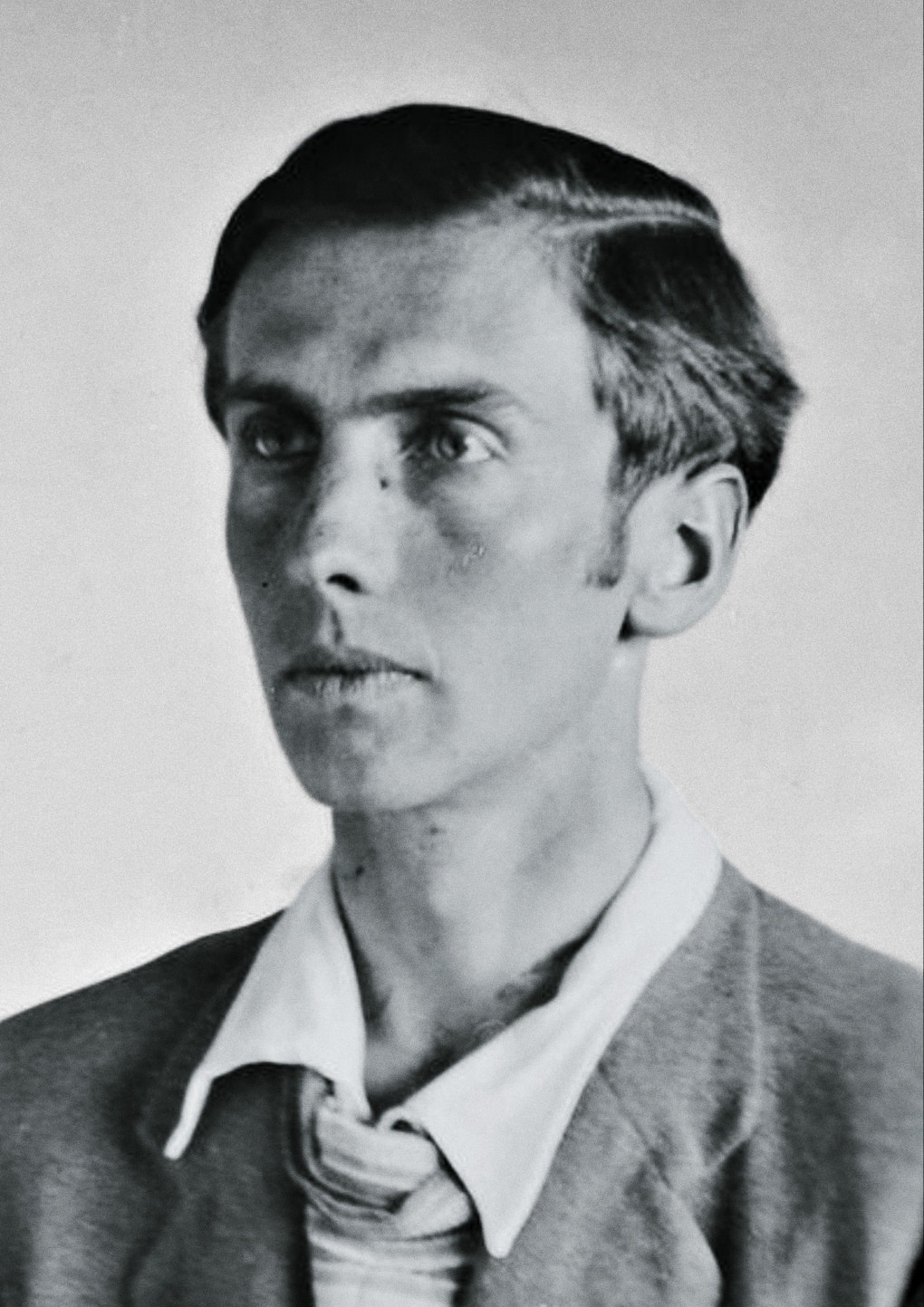
Saint Alexander of Munich, Shurik
About Alexander of Munich
Alexander Schmorell
Alexander Schmorell (1917–1943) was a Russian-German student at the Ludwig-Maximilians-Universität München and a pivotal figure in the White Rose resistance movement against the Nazi German regime. Born in Orenburg, Russia, he moved to Munich with his family at a young age and grew up bilingual, speaking both Russian and German. Schmorell was an Eastern Orthodox Christian who identified with both his German and Russian heritage.
Life and Resistance
After completing his Abitur, Schmorell served in the Reich Labour Service and then the Wehrmacht. He began studying medicine in Hamburg in 1939 and later returned to Munich, where he met Hans Scholl. In June 1942, Schmorell and Scholl initiated the White Rose resistance movement. Their method of defiance involved creating and distributing leaflets that quoted philosophers, poets, and the Bible, appealing to the German intelligentsia. These leaflets were placed in public phone booths, mailed to academic figures, and transported to other universities.
During the summer of 1942, male students, including Schmorell, were required to serve as medics on the Eastern Front. While in Russia, Schmorell experienced a profound connection to his homeland. Upon their return to Munich in November 1942, the White Rose resumed its activities. Schmorell collaborated with Professor Kurt Huber on the fifth leaflet, "Aufruf an alle Deutschen!" ('Appeal to all Germans!'), which he distributed in Austrian cities. He also participated in graffiti campaigns, including slogans like "down with Hitler" and "Hitler the Mass murderer!" on public buildings.
Capture and Execution
Schmorell was arrested by the Gestapo on February 24, 1943, the same day as the funeral of Hans and Sophie Scholl, who had been apprehended earlier. Following a trial on April 19, 1943, Schmorell, along with Willi Graf and Kurt Huber, was sentenced to death. Despite petitions for clemency, Adolf Hitler rejected them, and Alexander Schmorell was executed by guillotine on July 13, 1943, at the age of 25.
Legacy and Sainthood
Alexander Schmorell is commemorated through various institutions and places named in his honor in Germany and Russia. In 2012, the Russian Orthodox Church Outside Russia glorified him as a saint and passion bearer, known as Saint Alexander of Munich, with his feast day observed on July 13. His life and death are recognized as a testament to his unwavering commitment to truth and his courageous stand against tyranny.
Source: Wikipedia ↗
Frequently Asked Questions
Who was Alexander Schmorell?
Alexander Schmorell was a Russian-German student at the Ludwig-Maximilians-Universität München who co-founded the White Rose resistance group against the Nazi regime. He was an Orthodox Christian who considered himself both German and Russian.
What was the White Rose resistance group?
The White Rose was a German student resistance group active against the Nazi regime from June 1942 to February 1943. Their primary form of resistance involved writing and distributing anti-Nazi leaflets.
Why was Alexander Schmorell executed?
Schmorell was executed by the Nazi regime for his participation in the White Rose resistance movement. He was sentenced to death on April 19, 1943, and executed on July 13, 1943.
When was Alexander Schmorell canonized?
Alexander Schmorell was glorified as a saint and passion bearer by the Russian Orthodox Church Outside Russia on February 5, 2012, in Munich, Germany.
What is Alexander Schmorell remembered for?
He is remembered for his courageous opposition to Nazism as a member of the White Rose, his willingness to speak out against injustice, and his ultimate sacrifice for his convictions.
Related Saints
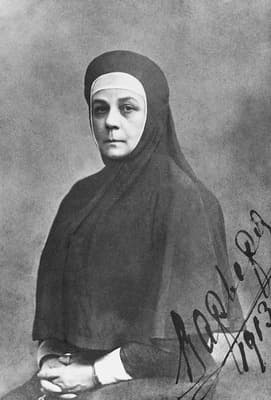
Barbara Yakovleva
Varvara Alexeyevna Yakovleva, known as Nun Barbara, was a Russian Orthodox nun who served as Grand Duchess Elizabeth Fyodorovna's maid before taking her vows. She is remembered as a martyr, having been killed by the Bolsheviks in 1918 along with the Grand Duchess and other members of the imperial family.
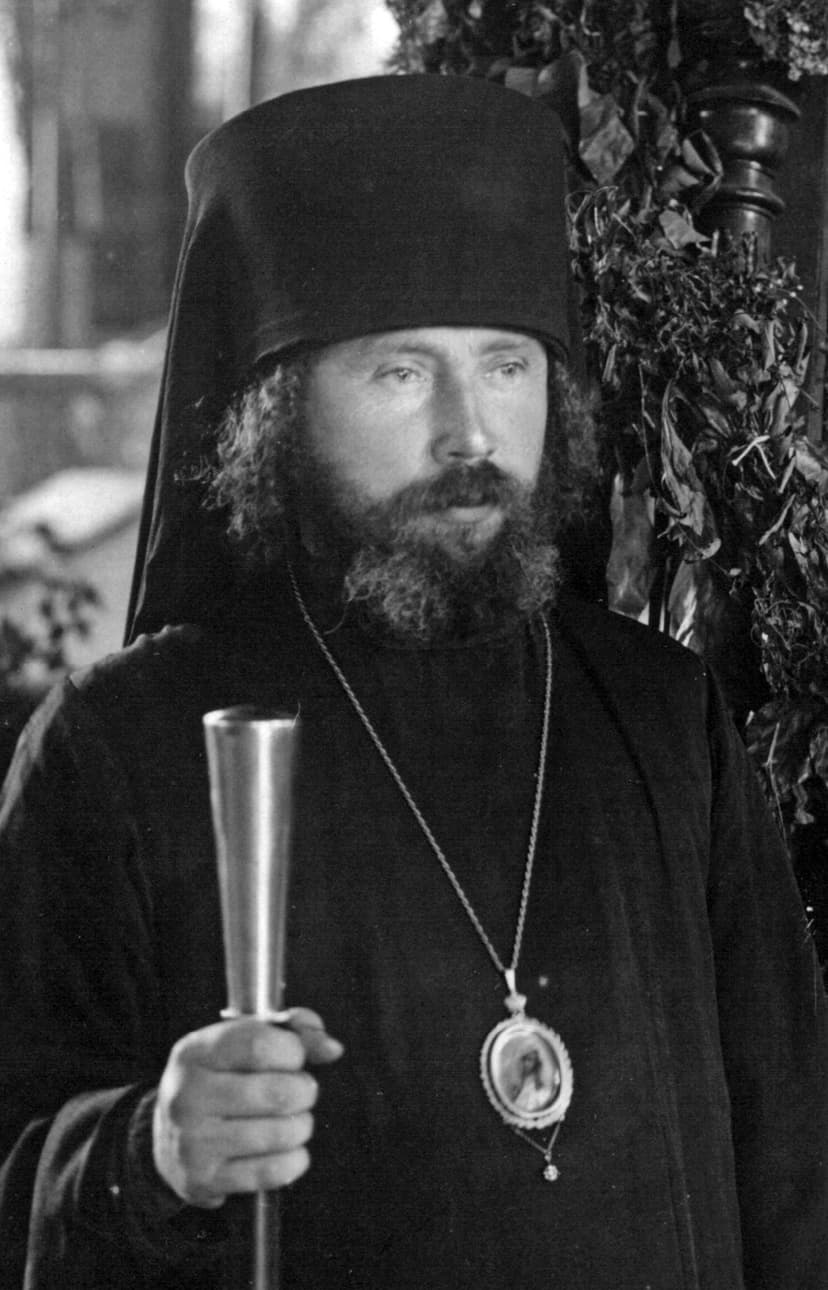
Jonah of Manchuria
Bishop Jonah, born Vladimir Ilyich Pokrovsky, was a titular bishop of Hankou for the Russian Orthodox Church Outside Russia who served in Northern China after the Bolshevik Revolution. He is remembered for his charitable work in Manchuria, establishing an orphanage, school, and dining hall, and for his miraculous healing attributed to him after his death. He was officially glorified by ROCOR in 1996 and canonized by the Russian Orthodox Church in 2016.
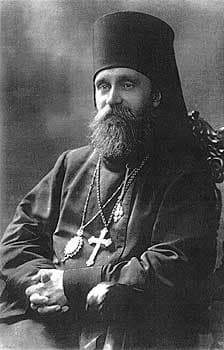
Platon Kulbusch
Platon Kulbusch was the first Orthodox saint of Estonian ethnicity, serving as a bishop during a period of significant political upheaval. He is remembered for his support of Estonian independence and his martyrdom during the Bolshevik invasion. His canonization by multiple Orthodox churches solidified his status as a significant figure in Estonian religious history.