
Jonah of Manchuria
October 20·20th century·China
Bishop Jonah, born Vladimir Ilyich Pokrovsky, was a titular bishop of Hankou for the Russian Orthodox Church Outside Russia who served in Northern China after the Bolshevik Revolution. He is remembered for his charitable work in Manchuria, establishing an orphanage, school, and dining hall, and for his miraculous healing attributed to him after his death. He was officially glorified by ROCOR in 1996 and canonized by the Russian Orthodox Church in 2016.
Key Facts
- ›He was born Vladimir Pokrovsky in Kaluga, Russia, in 1888.
- ›He was orphaned at age 8 and educated by a deacon.
- ›He became a monk of the Optina Brotherhood and taught at the Kazan Theological Academy.
- ›He was arrested and beaten by communists before being freed by the White Army.
- ›He served as bishop in Manchuria, establishing an orphanage, school, and dining hall for the poor.
- ›He died in 1925 from complications of blood poisoning after contracting typhoid fever.
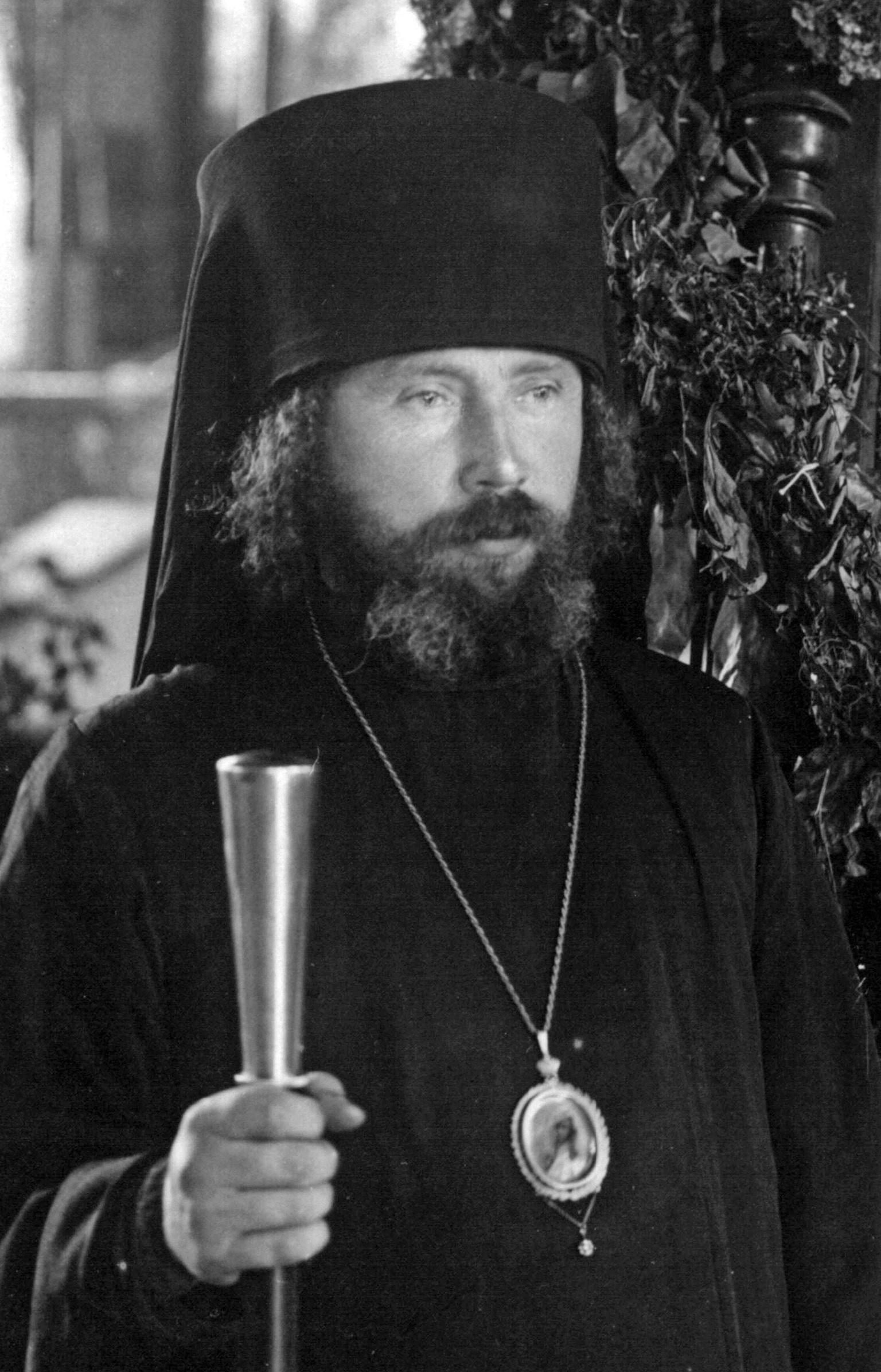
Vladimir Ilyich Pokrovsky, Jonah of Hankou, Enlightener Jonah of Hankou
Optina Brotherhood
- Epitrachelion and Cuffs of Elder Ambrose of Optina
About Jonah of Manchuria
Bishop Jonah of Manchuria
Bishop Jonah, born Vladimir Ilyich Pokrovsky (April 17, 1888 – October 20, 1925), was a titular bishop of Hankou within the Russian Orthodox Church Outside Russia (ROCOR). He served in Northern China during the tumultuous years following the Bolshevik Revolution. His life was marked by both hardship and profound spiritual dedication, leading to his eventual canonization.
Life and Historical Context
Born in Kaluga, Russia, Vladimir Pokrovsky was orphaned at a young age and subsequently raised and educated by a deacon. He pursued theological studies, graduating from and later teaching at the Kazan Theological Academy. It was during his student years that he was tonsured a monk, receiving the name Jonah, and joined the Optina Brotherhood. His teaching position was taken out of obedience to Elder Gabriel of Optina.
The Russian Revolution of 1917 forced Father Jonah to flee Kazan. He experienced arrest and physical abuse at the hands of communist forces, but was later freed by the White Army. He was elevated to the rank of igumen and appointed senior priest for southern volunteer troops. Following the White Army, Father Jonah undertook a perilous journey to Western China, enduring severe hardships while crossing the Pamir mountains and the Gobi Desert. Upon reaching Beijing, he was accepted into the Ecclesiastical Mission and subsequently consecrated as bishop of Hankou, though his ministry was primarily focused on the town of Manzhuria (now Manzhouli) in northeastern China.
Ministry and Legacy
During his tenure as bishop in Manzhuria, Bishop Jonah significantly impacted the local Orthodox community. He established an orphanage to care for children, a school for education, and a dining hall to provide sustenance for the poor. His selfless dedication extended to caring for a priest who succumbed to typhoid fever, from whom Bishop Jonah contracted the illness that ultimately led to his death.
Bishop Jonah died on October 20, 1925, after a period of illness that developed into blood poisoning. His final moments were marked by spiritual counsel to his flock and the reception of Holy Communion. His death was soon followed by accounts of miraculous healing, most notably a crippled boy who was healed after dreaming of the bishop on the night of his passing. These events contributed to his growing veneration.
Canonization and Veneration
Bishop Jonah was officially glorified by the Russian Orthodox Church Outside Russia on October 20, 1996. The Bishop's Council of the Russian Orthodox Church further canonized him as Enlightener Jonah of Hankou on February 3, 2016. His memory is honored for his pastoral care, charitable works, and the spiritual gifts attributed to him, particularly the miraculous healings that have occurred since his death.
Source: Wikipedia ↗
Frequently Asked Questions
When and where was Bishop Jonah born?
Bishop Jonah, born Vladimir Pokrovsky, was born in Kaluga, Russia, on April 17, 1888.
What was Bishop Jonah's secular name?
His secular name was Vladimir Ilyich Pokrovsky.
What significant charitable work did Bishop Jonah undertake in Manchuria?
During his time as bishop in Manchuria, he established an orphanage, a school, and a dining hall for the poor, transforming the local Orthodox community.
How did Bishop Jonah die?
He died on October 20, 1925, from blood poisoning, a complication that developed after he contracted chronic tonsillitis while caring for a priest who died of typhoid fever.
Are there any miracles attributed to Bishop Jonah?
Yes, a notable miracle involves a crippled ten-year-old boy who experienced a dream of Bishop Jonah and was miraculously healed in his legs on the same night the bishop died.
When was Bishop Jonah officially recognized as a saint?
He was officially glorified by the Russian Orthodox Church Outside Russia (ROCOR) on October 20, 1996, and later canonized as Enlightener Jonah of Hankou by the Bishop's Council of the Russian Orthodox Church on February 3, 2016.
Related Saints
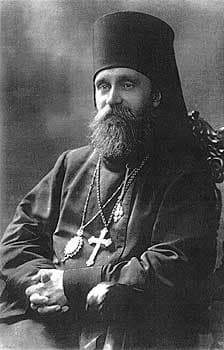
Platon Kulbusch
Platon Kulbusch was the first Orthodox saint of Estonian ethnicity, serving as a bishop during a period of significant political upheaval. He is remembered for his support of Estonian independence and his martyrdom during the Bolshevik invasion. His canonization by multiple Orthodox churches solidified his status as a significant figure in Estonian religious history.
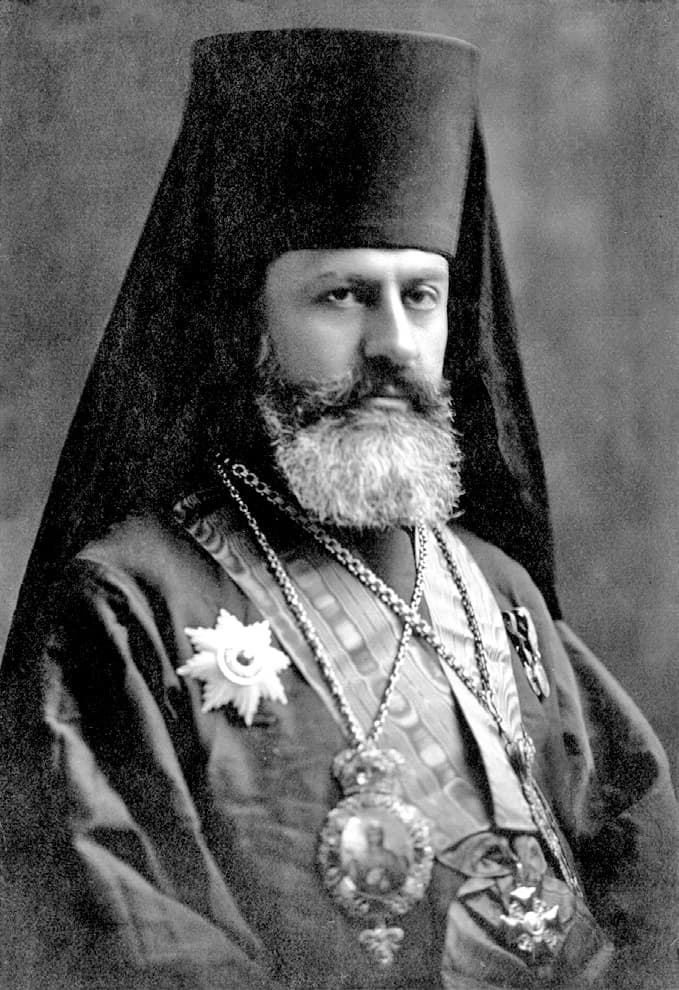
Raphael of Brooklyn
Raphael of Brooklyn was the first Eastern Orthodox bishop in America, serving as an auxiliary bishop for the Russian Orthodox Church and head of the Antiochian Syrian Christian mission. He is remembered for his strong opposition to ethnophyletism and exclusivism within the church, and for his pioneering efforts in integrating the Eastern Orthodox Church into multimedia through the first published Orthodox magazine. His missionary zeal led him across North America and even to the Caribbean, establishing numerous parishes and churches.
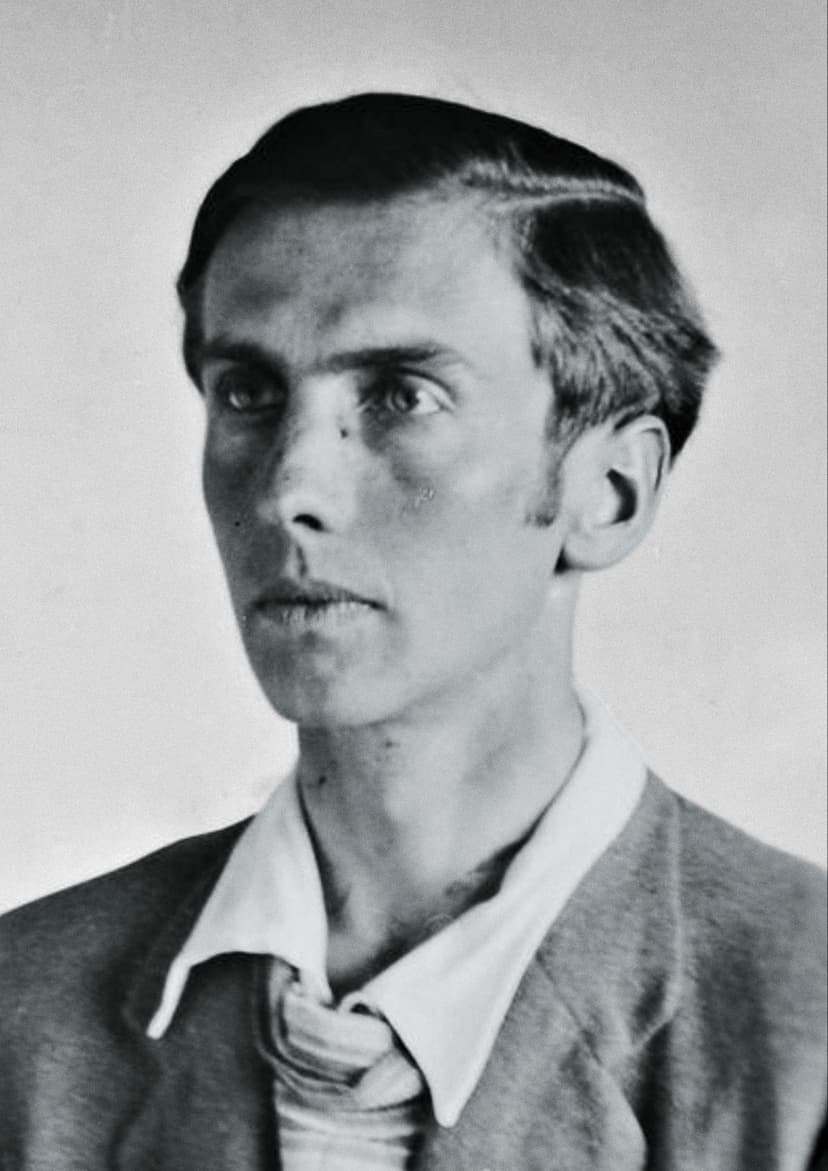
Alexander of Munich
Alexander Schmorell was a Russian-German student in Munich and a key member of the White Rose resistance group against the Nazi regime. He is remembered for his courageous opposition to Nazism through leaflet distribution and graffiti, which led to his execution. Schmorell was later glorified as a saint and passion bearer by the Russian Orthodox Church Outside Russia.