
Michael of Tver
Michael Yaroslavich was the Prince of Tver and Grand Prince of Vladimir, known for his struggles with Moscow and his eventual canonization by the Russian Orthodox Church. He is remembered for his piety during his summons to the Golden Horde, which he knew would lead to his death, and for the incorruptibility of his relics.
Key Facts
- ›He reigned as Prince of Tver from 1285 and as Grand Prince of Vladimir from 1304 to 1314 and again from 1315 until his death.
- ›Michael was confirmed as Grand Prince by Tokhta, the khan of the Golden Horde.
- ›He clashed with Novgorod the Great, withdrawing his lieutenants and cutting off grain shipments.
- ›Yury of Moscow gained influence and ultimately the patent of office for Grand Prince of Vladimir, marrying the khan's sister.
- ›Michael defeated Yury at Bortenevo but was blamed for the death of Yury's wife, the khan's sister, in his custody.
- ›He was summoned to the Golden Horde and executed on November 22, 1318, after being accused of murder and withholding tribute.
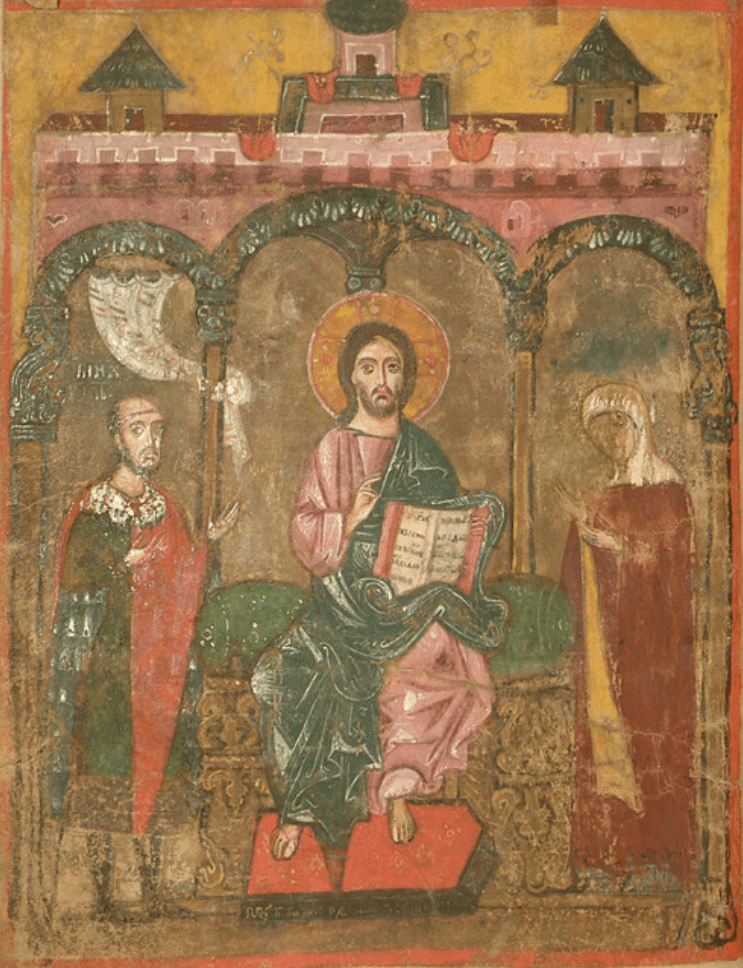
Mikhail Yaroslavich
About Michael of Tver
Mikhail Yaroslavich (1271 – 22 November 1318) was a significant ruler in medieval Rus', serving as Prince of Tver and later as Grand Prince of Vladimir. He is venerated as a saint by the Russian Orthodox Church, recognized for his piety and faith in the face of adversity.
Life and Reign
Mikhail Yaroslavich, the second son of Yaroslav III Yaroslavich of Tver, ascended to the princely throne of Tver in 1285. He subsequently became the Grand Prince of Vladimir in 1304, a position confirmed by Tokhta, the khan of the Golden Horde. His reign was marked by considerable political maneuvering and conflict, particularly with the rising power of Moscow under Yury of Moscow.
Mikhail faced challenges in maintaining his authority, including disputes with Novgorod the Great, where he served as prince in 1309. His political fortunes shifted when Yury of Moscow gained influence at the Golden Horde, culminating in Yury being granted the patent of office for Grand Prince of Vladimir, further intensified by Yury's marriage to the khan's sister. Although Michael initially defeated Yury in battle in 1317, he was later blamed for the death of Yury's wife, who died while in his custody.
Downfall and Legacy
These accusations, coupled with claims of withholding tribute, led to Mikhail being summoned to the Golden Horde by Uzbeg Khan. He was executed on November 22, 1318. Despite facing opposition from some ecclesiastical figures during his life, the Russian Orthodox Church later canonized Michael Yaroslavich. This veneration was largely attributed to his steadfastness and piety when facing his known death sentence, and the discovery of his incorrupt relics upon their transfer to his home city.
His wife, Princess Anna of Rostov, was also canonized as Anna of Kashin.
Source: Wikipedia ↗
Frequently Asked Questions
When did Michael of Tver live?
Michael Yaroslavich was born in 1271 and died on November 22, 1318. He served as Prince of Tver from 1285 and as Grand Prince of Vladimir from 1304 to 1314 and again from 1315 until his death.
Why was Michael of Tver canonized?
The Russian Orthodox Church canonized Michael Yaroslavich due to his profound piety during his summons to the Golden Horde, knowing it would lead to his death. His relics were also discovered to be incorrupt upon their transport to his hometown.
What was Michael of Tver's relationship with Moscow?
Michael was in significant rivalry with Yury of Moscow. Yury eventually gained favor with the Golden Horde, receiving the patent of office for Grand Prince of Vladimir and battling Michael, ultimately contributing to Michael's downfall.
What led to Michael of Tver's death?
After defeating Yury of Moscow, Michael captured Yury's wife, the khan's sister. Her death in his custody, though likely not at his hand, led to accusations of murder and withholding tribute, resulting in his summons to the Horde and execution.
Did Michael of Tver have a good relationship with the Church?
During his lifetime, Michael had a strained relationship with the Church, particularly Metropolitan Petr, who sided with Moscow. However, his later recognized piety led to his sainthood.
Related Saints
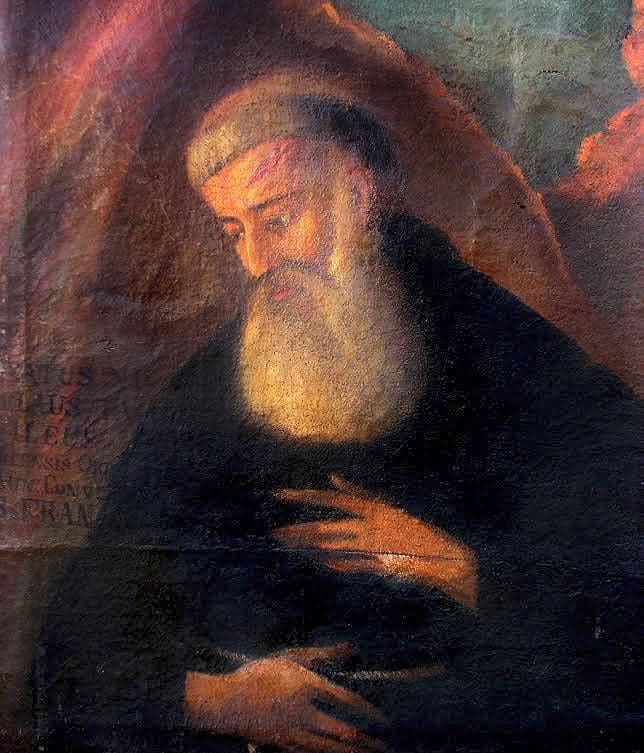
Nicholas Tavelic
Nicholas Tavelic was a Croatian Franciscan friar, priest, and missionary who, along with three companions, died a martyr's death in Jerusalem in 1391. He is remembered as the first canonized Croatian saint, a symbol of faith for his willingness to openly preach Christianity to Muslims despite the risks. His martyrdom and subsequent canonization have led to widespread veneration and the dedication of numerous churches and shrines in his honor.
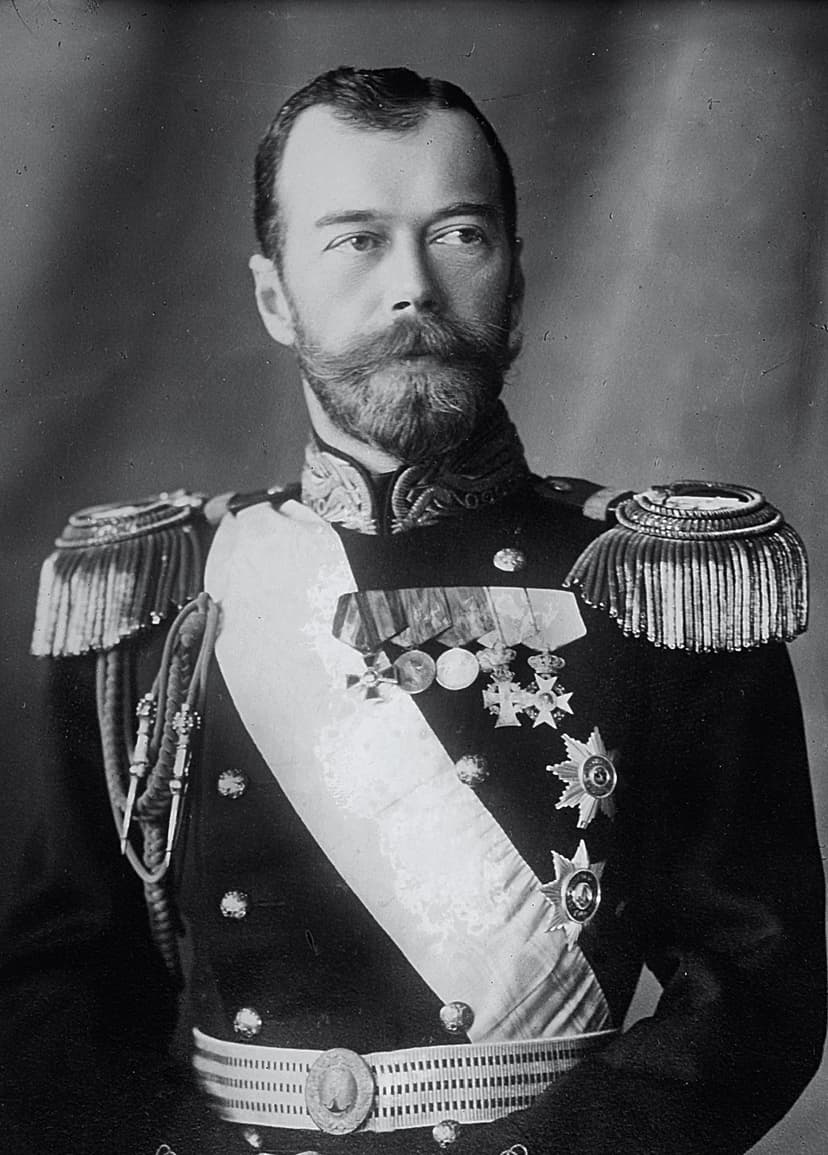
Nicholas II of Russia
Nicholas II was the last Emperor of Russia, reigning from 1894 to 1917 and overseeing the empire's involvement in World War I. He is chiefly remembered for his resistance to political reform, his autocratic rule, and his family's tragic execution during the Russian Revolution. Despite his reign witnessing industrial growth, it was also marked by domestic unrest, military defeats, and widespread criticism, leading to his abdication.
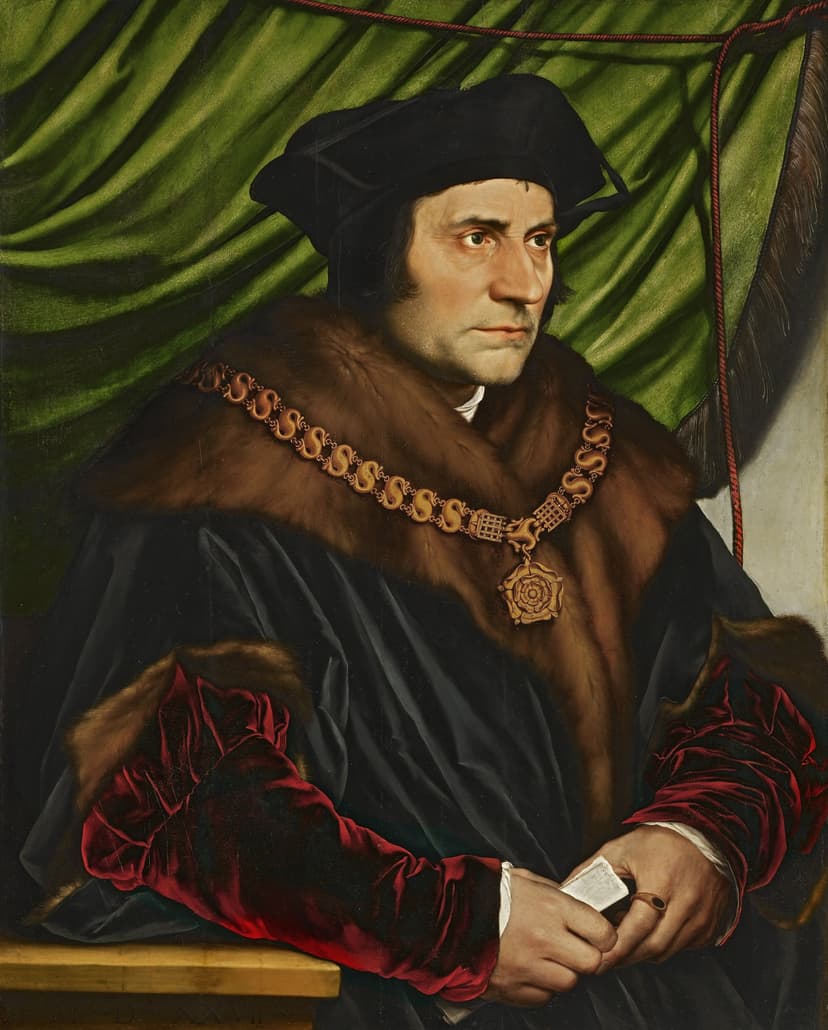
Thomas More
Sir Thomas More was an English lawyer, judge, social philosopher, author, and statesman who served as Lord Chancellor under Henry VIII. He is venerated in the Catholic Church as a martyr and saint, primarily remembered for his steadfast opposition to Henry VIII's separation from the Catholic Church and his execution for treason.