
Samael
Judaism·Demonology, Mythology, Theology, Occultism·Jewish (Talmudic, Midrashic, Kabbalistic), Gnostic·Archangel, Demon, Adversary, Angel of Death
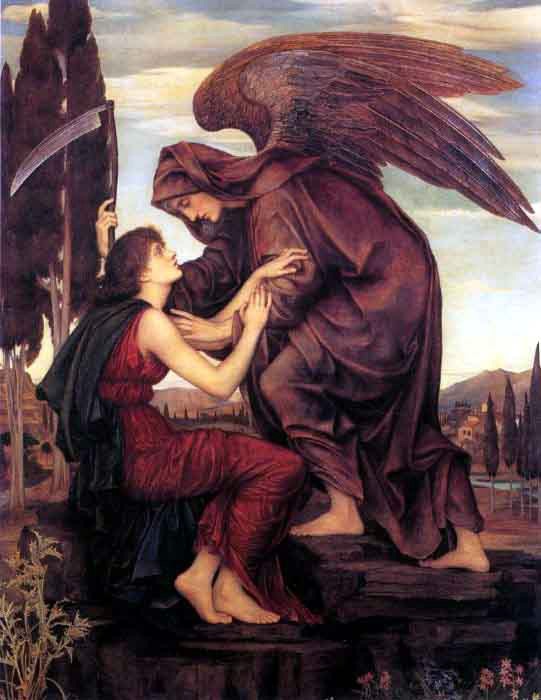
Samael is an archangel in Talmudic and post-Talmudic Jewish tradition, often serving as the accuser, seducer, and angel of death. While his functions can resemble the Christian Satan, he is not inherently evil and his actions are sometimes seen as leading to good, such as the destruction of sinners. He is notable for his role in the Garden of Eden narrative and later developments in Kabbalah and Gnosticism.
Key Facts
- ›Samael is an archangel in Jewish tradition, often associated with the roles of accuser, seducer, and angel of death.
- ›He is depicted as engineering the fall of Adam and Eve, riding a serpent in some accounts.
- ›In later Midrashim, he is identified with Satan and called the 'head of satans'.
- ›Kabbalistic traditions describe him as the 'severity of God' and the consort of Lilith.
- ›In some Gnostic cosmologies, he is identified with the Demiurge, the creator of the material world.
- ›He is considered the guardian angel and prince of Rome, and thus an archenemy of Israel.
SammāʾēL, SamsamāʾīL, SammāʾIl, SāMāʾīL, Smil, Samil, Samiel, Melkira, Malkira, Malchira, Belkira, Bechira, Yaldabaoth, Saklas
Death, Sin, Temptation, Accusation, Destruction, Evil
Possession of Human Bodies, Temptation Into Sin, Causing Death, Accusation In Heavenly Courts, Transformation
Book of Enoch, Greek Apocalypse of Baruch, Ascension of Isaiah, Talmud, Midrashim, Kabbalistic Texts, Gnostic Texts, Gedulat Moshe
Lilith, Adam, Eve, Cain, Michael, Jacob, Abraham, Esau, Samyaza, Asmodeus, Eisheth Zenunim, Na'Amah, Agrat Bat Mahlat, Metatron, Sophia, Yaldabaoth, Saklas, Lucifer Morningstar, Beelzebub
Severity, Destruction, Evil, Sin, Accusation, Ignorance, Adversary
- Samael Is Described As the Ruler of the Fifth Heaven.
- He Is Sometimes Depicted As A Twelve-Winged Seraph.
- He Is Associated With the Qlippoth, the 'Shells' Or Negative Forces In Kabbalah.
- the Baal Shem Tov Is Said To Have Summoned Samael To Do His Bidding.
Michael, God, Metatron
- In Gnosticism, Samael Is Identified With the Demiurge and Creator of the Material World, Distinct From His Role In Jewish Tradition.
- His Name Is Sometimes Confused With Camael, Another Angelic Figure.
- In Anthroposophy, He Is Considered One of the Seven Archangels With A Role As A 'Time-Spirit'.
Serpent, Camel, Sword, Goats, Chains of Black Fire and Red Fire
About Samael
Samael is a significant figure in Jewish demonology and angelology, primarily known from Talmudic and post-Talmudic traditions. His name translates from Hebrew as 'Venom of God,' hinting at his often destructive and adversarial roles. He is frequently depicted as an archangel who serves as the accuser, seducer, and the primary angel of death, holding a prominent position among demonic entities.
Roles and Narratives
Samael is most famously associated with the narrative of the Garden of Eden, where he is credited with engineering the fall of Adam and Eve. In many accounts, he rides a serpent to tempt them into eating the forbidden fruit, although the serpent itself is not a form of Samael. He is also sometimes identified as the father of Cain and the partner of Lilith, a demoness who became his consort in Kabbalistic lore. As the guardian angel and prince of Rome, Samael is positioned as an archenemy of Israel, representing foreign powers and opposition.
Development and Variations
While his functions bear resemblance to the Christian Satan, Samael is not always portrayed as purely evil. His actions, such as destroying sinners, are sometimes seen as resulting in divine good. His prominence grew from the Second Temple period onward, becoming particularly significant in later Midrashim where he is identified with Satan and dubbed the 'head of satans.' In Kabbalistic traditions, he is known as the 'severity of God' and is a central figure within the qlippoth, the demonic shells. Gnostic cosmologies offer a different perspective, identifying Samael with the Demiurge, the creator of the flawed material world, sometimes referred to as the 'blind god.'
Cultural Impact
Samael's complex character and multifaceted roles have led to his appearance in various forms of popular culture, including literature, video games, and opera, often as a powerful demonic entity or fallen angel. His enduring presence in religious texts and subsequent interpretations underscores his significance as an archetypal figure of opposition and divine judgment.
Source: Wikipedia ↗
Frequently Asked Questions
What is the meaning of Samael's name?
Samael's name in Hebrew translates to 'Venom of God'. This name reflects his often destructive or venomous functions within religious and mythological texts.
What are Samael's primary roles in Jewish tradition?
In Jewish lore, Samael is primarily known as the angel of death and the head of the satans. He also functions as the accuser and tempter, playing a significant role in the fall of humanity.
Is Samael the same as Satan?
While Samael shares many functions with the Christian concept of Satan and is identified as Satan in some later Jewish traditions, he is not always equated. In earlier texts, Satan describes a function, whereas Samael is considered his proper name.
What is Samael's connection to Lilith?
In Kabbalistic traditions, Samael is often depicted as the consort or bride of Lilith, a demoness created alongside Adam. Together, they are said to have produced numerous demonic offspring.
How is Samael perceived in Gnostic traditions?
In some Gnostic cosmologies, Samael is identified with the Demiurge, the creator of the material world. He is sometimes called the 'blind god' due to his ignorance and role in creating the flawed material realm.
Related Demons

Leviathan
Leviathan is a colossal sea serpent or dragon figure prominent in Jewish and Christian theology and mythology, often symbolizing chaos and primordial forces. It is depicted as a powerful, ancient entity that God will ultimately defeat, and in some traditions, it is identified with the devil or the sin of envy. Leviathan's narrative extends from ancient Near Eastern creation myths to later interpretations in Gnosticism and secular philosophy.

Azazel/Azaz'el
Azazel is a complex figure primarily known from Jewish tradition, particularly the Hebrew Bible and later apocryphal texts like the Book of Enoch. Initially appearing in Leviticus as a desolate place or entity associated with the Yom Kippur scapegoat ritual, Azazel later evolved into a fallen angel credited with teaching humanity forbidden knowledge, warfare, and cosmetics, leading to widespread corruption. This transformation has influenced interpretations in Christianity and Islam, where Azazel is often linked to sin and rebellion.
Abaddon/Apollyon
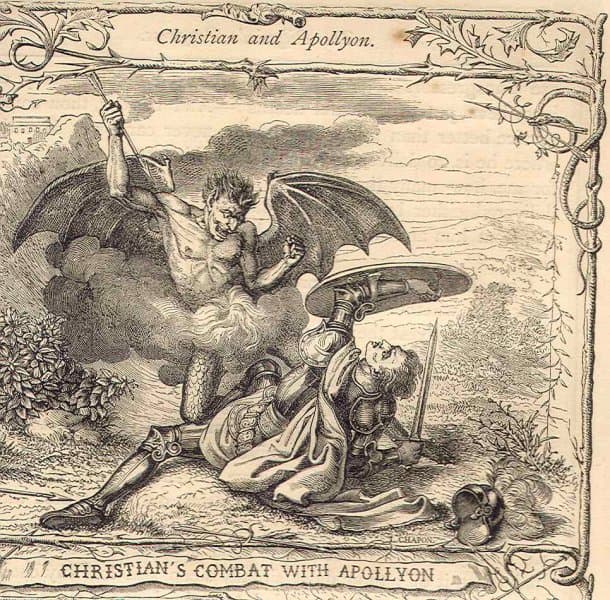
Abaddon, also known as Apollyon in Greek, is a figure appearing in biblical texts as both a place of destruction and a powerful angel associated with the abyss. Primarily recognized from the Hebrew Bible and the New Testament's Book of Revelation, Abaddon is often depicted as a destroyer or the king of a demonic army. Its significance lies in its multifaceted interpretations across various religious and literary traditions, evolving from a concept of ruin to a specific angelic or demonic entity.