
Azazel/Azaz'el
Azazel is a complex figure primarily known from Jewish tradition, particularly the Hebrew Bible and later apocryphal texts like the Book of Enoch. Initially appearing in Leviticus as a desolate place or entity associated with the Yom Kippur scapegoat ritual, Azazel later evolved into a fallen angel credited with teaching humanity forbidden knowledge, warfare, and cosmetics, leading to widespread corruption. This transformation has influenced interpretations in Christianity and Islam, where Azazel is often linked to sin and rebellion.
Key Facts
- ›The name Azazel appears in Leviticus 16 in relation to the Yom Kippur scapegoat ritual, where a goat was sent into the wilderness 'for Azazel'.
- ›In the Book of Enoch, Azazel is described as a fallen angel who taught humans forbidden knowledge, including warfare and cosmetics, leading to corruption.
- ›Azazel is depicted as being bound and cast into darkness until the Day of Judgment in Enochic literature.
- ›Medieval Jewish commentators like Nachmanides identified Azazel with Samael and viewed him as a personification of wickedness.
- ›In some Islamic traditions, Azazel is linked to the story of Harut and Marut, with Azazel being one of the angels who failed a divine test.
- ›The Apocalypse of Abraham portrays Azazel as an unclean bird that tempts Abraham and is associated with the serpent and hell.

Azaz'El, ʿAzāZēL, AzaziʿIl, ʿăZā’ZyēL, Za-Za-E'Il
Forbidden Knowledge, Warfare, Cosmetics, Witchcraft, Impurity, Wrath, Trials
Teaching Forbidden Arts, Causing Corruption, Temptation
Hebrew Bible, Book of Enoch, Jubilees, Apocalypse of Abraham, Mandaean Texts, 3 Enoch
Samael, Harut and Marut, Raphael, Michael, Gabriel, Uriel, Enoch, Abraham, Azza, Uzza
Sin, Wickedness, Impurity, Rebellion, Desolation, Ruin
- Azazel Is Associated With the Yom Kippur Scapegoat Ritual, Where A Goat Was Sent Into the Wilderness To Symbolically Carry Away the Sins of the Israelites.
- the Medieval Jewish Practice Involved Fastening A Scarlet Woolen Thread To the Goat's Head, Which Was Meant To Turn White As A Sign of Forgiveness, Though Its Failure To Do So Indicated Spiritual Deterioration.
Raphael, Yahweh, Archangels
- In Some Jewish Traditions, Azazel Is Identified With Samael.
- In Mandaean Texts, AzaziʿIl Is An Uthra .
- In Islamic Lore, Azazel Is Sometimes Linked To the Story of Harut and Marut, With Azazel Being One of the Angels Who Failed A Divine Test.
Scapegoat, Wilderness, Jagged Rocks, Darkness, Scarlet Woolen Thread, Unclean Bird
About Azazel/Azaz'el
Azazel
Azazel is a significant figure in Jewish tradition, whose role and nature evolved considerably from its earliest attestations. Initially appearing in the Hebrew Bible's Book of Leviticus, the name 'Azazel' referred to a desolate place or entity associated with the Yom Kippur scapegoat ritual. In this rite, one of two goats was sent into the wilderness, symbolically bearing the sins of the Israelites away to Azazel.
Transformation in Later Jewish Texts
During the Second Temple period, particularly in the apocryphal Book of Enoch, Azazel's character was dramatically transformed. Here, Azazel is depicted as a leader among the Grigori, a group of fallen angels who descended to Mount Hermon, lusted after human women, and fathered giants. Azazel is specifically credited with teaching humanity forbidden knowledge, including the arts of warfare, metalworking, and the use of cosmetics and dyes. This dissemination of illicit knowledge led to widespread corruption, bloodshed, and impurity on Earth. According to Enoch, the archangel Raphael was dispatched to bind Azazel and cast him into a dark abyss, where he is to remain until the Day of Judgment.
Interpretations and Associations
Medieval Jewish commentators, such as Nachmanides, further developed the understanding of Azazel, often identifying him with Samael and viewing him as the embodiment of wickedness or a demon of the desert. This perspective maintained the idea of Azazel as a source of impurity, against which God's righteous governance stood in contrast.
The Septuagint and Vulgate translations of the Bible often rendered the term related to the scapegoat as 'emissary goat' or 'sent away one,' reflecting an understanding of 'Azazel' as a place or a concept rather than a proper name. However, later Christian commentators like Origen identified Azazel directly with Satan.
In Islamic traditions, Azazel sometimes appears in narratives concerning the angels Harut and Marut. In these accounts, Azazel is often presented as one of the angels who descended to Earth and failed a divine test, though some traditions suggest he repented and returned to heaven, unlike his companions.
The Apocalypse of Abraham presents Azazel as an unclean bird that tempts Abraham and is associated with the serpent and hell, further illustrating the diverse and often malevolent interpretations of this figure across different religious and textual traditions. The figure of Azazel, therefore, serves as a complex symbol of rebellion, forbidden knowledge, and the corruption that stems from it.
Source: Wikipedia ↗
Frequently Asked Questions
What is the origin of the name Azazel?
The exact origin and meaning of the name Azazel are uncertain. In the Hebrew Bible, it's associated with the Yom Kippur scapegoat ritual. Later interpretations suggest meanings like 'rugged God' or 'the averter', though these are not conclusively attested.
What is Azazel's role in the Book of Enoch?
In the Book of Enoch, Azazel is a prominent fallen angel, one of the Watchers. He is depicted as teaching humans forbidden arts, such as crafting weapons and beautifying themselves with cosmetics, which led to widespread sin and corruption.
How is Azazel depicted in later Jewish interpretations?
Medieval Jewish commentators, such as Nachmanides, identified Azazel with Samael and viewed him as a demon or the personification of wickedness. The scapegoat ritual was interpreted as sending sins back to this spirit of desolation and ruin.
Does Azazel appear in Christian or Islamic traditions?
Yes, Azazel's role as a fallen angel has influenced Christian and Islamic traditions. Origen identified Azazel with Satan. In Islam, he is sometimes linked to the story of Harut and Marut, as one of the angels who descended to Earth and failed a divine test.
What is the significance of the scapegoat ritual for Azazel?
In Leviticus, one of two goats is sent into the wilderness 'for Azazel' as part of the Yom Kippur atonement. This ritual symbolizes the removal of the sins of the Israelites, with the goat bearing these sins being sent away to Azazel, interpreted as a desolate place or entity.
What is Azazel's appearance or physical description?
The Book of Enoch describes Azazel as one of the Grigori, a group of fallen angels. The Apocalypse of Abraham provides a more detailed description of Azazel as an unclean bird with seven heads and fourteen faces, and with human-like hands and feet and six wings on each side.
Related Demons
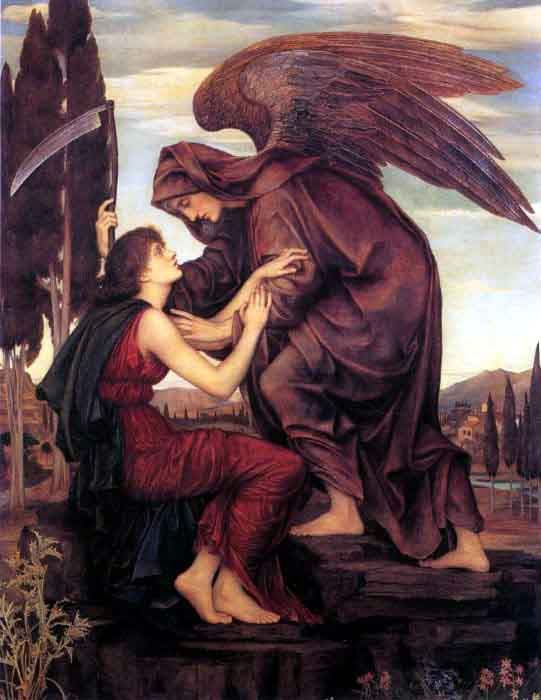
Samael
Samael is an archangel in Talmudic and post-Talmudic Jewish tradition, often serving as the accuser, seducer, and angel of death. While his functions can resemble the Christian Satan, he is not inherently evil and his actions are sometimes seen as leading to good, such as the destruction of sinners. He is notable for his role in the Garden of Eden narrative and later developments in Kabbalah and Gnosticism.

Leviathan
Leviathan is a colossal sea serpent or dragon figure prominent in Jewish and Christian theology and mythology, often symbolizing chaos and primordial forces. It is depicted as a powerful, ancient entity that God will ultimately defeat, and in some traditions, it is identified with the devil or the sin of envy. Leviathan's narrative extends from ancient Near Eastern creation myths to later interpretations in Gnosticism and secular philosophy.
Asb'el
Watchers are a class of biblical angels, whose name derives from a root meaning "to be awake." While the Book of Daniel refers to "watchers, holy ones" in a positive light, the apocryphal Books of Enoch extensively detail the fall of rebellious Watchers who descended to Earth, lusted after human women, and taught forbidden knowledge. These fallen beings are notable for their role in the origin of the Nephilim and their subsequent binding until Judgment Day.