
Leviathan
Judaism·Theology and Mythology·Ancient Near East·Sea Serpent/Monster/Demon
Leviathan is a colossal sea serpent or dragon figure prominent in Jewish and Christian theology and mythology, often symbolizing chaos and primordial forces. It is depicted as a powerful, ancient entity that God will ultimately defeat, and in some traditions, it is identified with the devil or the sin of envy. Leviathan's narrative extends from ancient Near Eastern creation myths to later interpretations in Gnosticism and secular philosophy.
Key Facts
- ›Leviathan is a giant sea serpent or dragon mentioned in the Hebrew Bible (Tanakh), including the Books of Job, Psalms, and Isaiah.
- ›It is often depicted as an embodiment of chaos and a powerful adversary, with parallels to Canaanite and Babylonian mythological figures like Lotan and Tiamat.
- ›In later Jewish tradition, Leviathan is a monstrous creature whose flesh will be served to the righteous at an eschatological banquet, alongside the male land-monster Behemoth.
- ›Christian theologians identified Leviathan with the demon of envy, one of the seven deadly sins, and it is sometimes equated with the seven-headed dragon in the Book of Revelation.
- ›In Gnosticism, Leviathan can represent the material world that separates humanity from the divine realm, sometimes depicted as an Ouroboros.
- ›The term 'leviathan' has also been secularly adopted to refer to any powerful sea monster or an overwhelmingly powerful entity or state.

LivyaṯāN, λεβιάθαν, Lotan
Chaos, Primordial Forces, Envy
Fire-Breathing, Impenetrable Scales, Indomitable Nature, Boiling the Waters of the Deep When Hungry, Enveloping the Material World
- Hebrew Bible
- Book of Job
- Psalms
- Book of Isaiah
- Book of Enoch
- Ugaritic Baal Cycle
- Christian Book of Revelation
- the Satanic Bible
- the Book of the Sacred Magic of Abra-Melin the Mage
Baal Hadad, Marduk, God, Behemoth, Tunannu, TêMtum, Ninurta, Yammu, Shemyaza, Archangels
Chaos, Primordial Forces, Powerful Enemies, Envy, Materialism, the State
- the Festival of Sukkot Concludes With A Prayer Mentioning Dwelling In the Sukkah of Leviathan's Skin.
- In the Church of Satan, the Hebrew Letters Spelling 'Leviathan' Are Used On the Sigil of Baphomet.
God, Baal Hadad, Marduk, Indra, Thor, Archangels
- Ugaritic Lotan: A Sea Monster and Servant of the Sea God Yammu, Defeated By Baal Hadad.
- Babylonian Tiamat: A Primordial Sea Goddess Defeated By Marduk, Whose Body Was Used To Create the Cosmos.
- Gnostic Ouroboros: A Serpent Encircling the World, Representing the Material Realm.
- Secular 'Leviathan': A Term For Any Powerful Sea Monster Or An Overwhelmingly Powerful Entity/State, Notably Used By Thomas Hobbes.
Sea Serpent, Dragon, Ouroboros, Water, Chaos
About Leviathan
Leviathan is a formidable and ancient entity, most notably recognized as a colossal sea serpent or dragon figure within Jewish theology and mythology, with significant resonance in Christianity and other traditions. Its origins are deeply rooted in the mythologies of the ancient Near East, where it represents a primeval force of chaos that must be overcome by a divine power to establish order.
Origins and Biblical Depictions
The name and concept of Leviathan are believed to be continuations of earlier Near Eastern myths, such as the Ugaritic sea monster Lotan, a servant of the sea god Yammu, and the Babylonian goddess Tiamat, who was defeated by Marduk. In the Hebrew Bible (Tanakh), Leviathan appears in several texts, including Job, Psalms, and Isaiah. The Book of Job offers a detailed description of Leviathan's immense power, impenetrable scales, and indomitable nature, portraying it as a creation of God, albeit one that inspires awe and fear. While some biblical passages present Leviathan as part of God's creation, others, particularly Isaiah, foretell its ultimate destruction at the end of time, signifying the triumph of divine order over chaos.
Later Traditions and Symbolism
In later Jewish tradition, Leviathan evolves into a monstrous figure destined for an eschatological feast, where its flesh will be served to the righteous alongside Behemoth, the male land-monster. This imagery underscores the belief in a future redemption and the ultimate defeat of primordial forces. In Christian theology, Leviathan became increasingly associated with the devil and the forces of evil, particularly the deadly sin of envy, as described by theologians like Peter Binsfeld. It is often equated with the seven-headed dragon depicted in the Book of Revelation, symbolizing the ultimate adversary of God.
Gnostic and Secular Interpretations
Within Gnosticism, Leviathan can represent the material world as a barrier separating humanity from the divine realm, sometimes depicted as an Ouroboros. The concept of Leviathan has also been adopted in secular philosophy, most famously by Thomas Hobbes, who used it as a metaphor for the absolute power of the state, necessary to maintain order and prevent societal chaos. The term 'leviathan' itself has broadened to refer to any massive sea creature or a person or entity of immense power.
Source: Wikipedia ↗
Frequently Asked Questions
What is Leviathan in the Bible?
In the Hebrew Bible, Leviathan is a powerful sea serpent or monster, often symbolizing chaos. It is described in detail in the Book of Job and is mentioned in Psalms and Isaiah, where it is prophesied to be destroyed at the end of times.
What is Leviathan's role in Jewish tradition?
In later Jewish sources, Leviathan is a monstrous creature, often female, who resides in the abyss. It is said that God slew the female Leviathan and preserved its flesh for a future banquet for the righteous, alongside Behemoth.
How is Leviathan viewed in Christianity?
In Christianity, Leviathan is often seen as an image of the devil or a primordial chaos monster. Christian theologians, like Peter Binsfeld, classified Leviathan as the demon of envy, one of the seven deadly sins.
Is Leviathan a real creature?
Leviathan is a mythological and theological figure, not a scientifically recognized creature. Some 19th-century scholars suggested it might have been a metaphorical reference to large aquatic creatures like crocodiles, but its primary significance is symbolic.
What does Leviathan symbolize?
Leviathan commonly symbolizes chaos, primordial forces, and powerful adversaries. In theological contexts, it can represent the devil, the forces opposing God, or specific sins like envy. In secular use, it signifies immense power.
Does Leviathan have a mate?
Yes, later Jewish sources and the Zohar mention that Leviathan originally had a mate. However, God slew the female Leviathan to prevent the world from being overwhelmed by their offspring, reserving her flesh for a future feast.
Related Demons
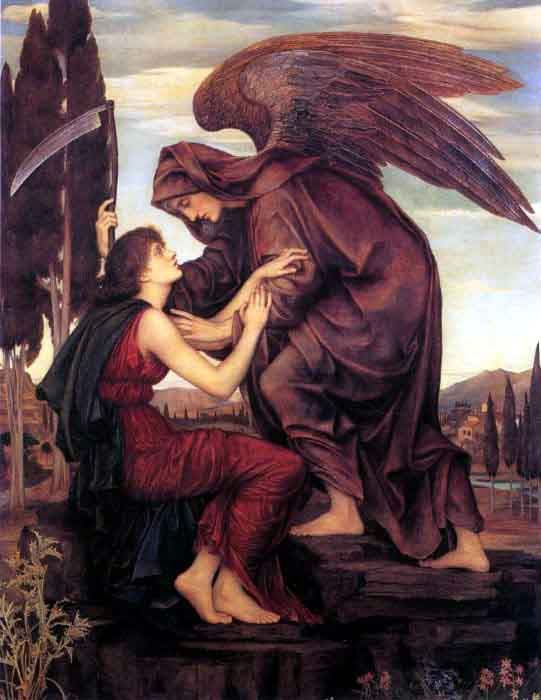
Samael
Samael is an archangel in Talmudic and post-Talmudic Jewish tradition, often serving as the accuser, seducer, and angel of death. While his functions can resemble the Christian Satan, he is not inherently evil and his actions are sometimes seen as leading to good, such as the destruction of sinners. He is notable for his role in the Garden of Eden narrative and later developments in Kabbalah and Gnosticism.

Azazel/Azaz'el
Azazel is a complex figure primarily known from Jewish tradition, particularly the Hebrew Bible and later apocryphal texts like the Book of Enoch. Initially appearing in Leviticus as a desolate place or entity associated with the Yom Kippur scapegoat ritual, Azazel later evolved into a fallen angel credited with teaching humanity forbidden knowledge, warfare, and cosmetics, leading to widespread corruption. This transformation has influenced interpretations in Christianity and Islam, where Azazel is often linked to sin and rebellion.
Gader'el
Gader'el is a figure mentioned in the Book of Enoch, specifically within the "Book of the Watchers." This ancient Jewish apocalyptic text details the fall of angels known as Watchers, who descended to Earth, corrupted humanity, and fathered the Nephilim. Gader'el is listed among the leaders of these fallen angels, who are depicted as teaching forbidden knowledge and engaging in widespread wickedness, ultimately leading to divine judgment.