
Abaddon/Apollyon
Judaism and Christianity·Demonology, Mythology, Theology, Apocrypha·Ancient Near East, Mediterranean·Angel, Demon, Destroyer, Underworld Figure
Abaddon, also known as Apollyon in Greek, is a figure appearing in biblical texts as both a place of destruction and a powerful angel associated with the abyss. Primarily recognized from the Hebrew Bible and the New Testament's Book of Revelation, Abaddon is often depicted as a destroyer or the king of a demonic army. Its significance lies in its multifaceted interpretations across various religious and literary traditions, evolving from a concept of ruin to a specific angelic or demonic entity.
Key Facts
- ›The Hebrew term Abaddon signifies "destruction" or "doom," while its Greek equivalent Apollyon means "Destroyer."
- ›In the Hebrew Bible, Abaddon is referred to as a place of destruction or the realm of the dead, often mentioned alongside Sheol.
- ›In the Book of Revelation, Abaddon is an angel who rules over a plague of locusts and is identified as the angel of the bottomless pit.
- ›Medieval Christian literature, such as the "Song of Roland," portrays Abaddon as part of a fictional trinity associated with Islamic figures.
- ›In Gnostic texts like the Acts of Thomas, Abaddon is identified as a demon or the devil himself.
- ›Mandaean scriptures describe 'Abaddons' as entities within their World of Darkness.
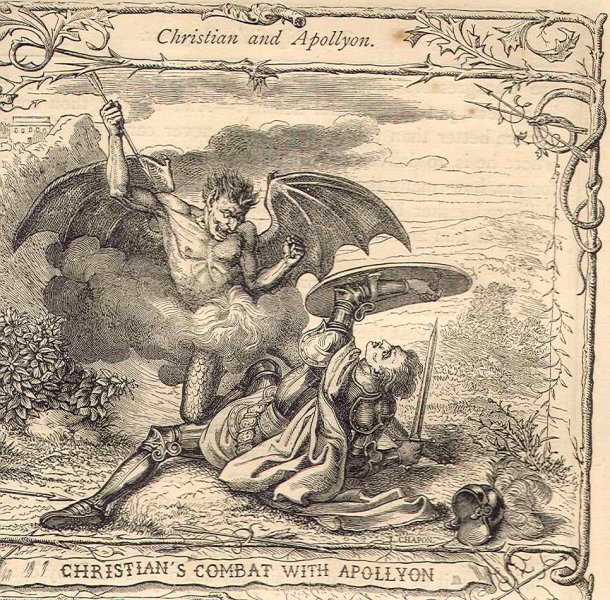
Apollyon, Exterminans
Destruction, Doom, the Abyss, Plague, Underworld
Destruction, Ruling Over Armies of Locusts, Tormenting Those Without Divine Protection
Hebrew Bible, Book of Revelation, Dead Sea Scrolls, Biblical Antiquities, Acts of Thomas, the Enthronement of Abaddon, Book of the Resurrection of Jesus Christ, Song of Roland, the Pilgrim's Progress, Ginza Rabba
Sheol, Death, Belial, Muhammad, Termagant, Satan, Antichrist, Jesus Christ
Destruction, Perish, Doom, the Void, Divine Punishment
- In the Homily "the Enthronement of Abaddon," It Is Stated That Any Who Venerated Abaddon In Life Could Be Saved, Suggesting A Devotional Aspect In Some Traditions.
God, Jesus Christ, the Seal of God
- In Judaism, Abaddon Is Primarily A Place of Destruction Or the Underworld.
- In Christianity, It Evolves Into An Angelic Or Demonic Figure, With Varied Interpretations As A Destroyer, Satan, Or Even A Divine Agent.
- Mandaeism Incorporates 'Abaddons' As Entities Within Their Cosmology's World of Darkness.
- Medieval Christian Literature Sometimes Conflates Or Associates Abaddon With Figures From Other Religions, Reflecting Historical Interfaith Perceptions.
Locusts, Scorpion's Stinger, Bottomless Pit, Abyss
About Abaddon/Apollyon
Abaddon, a name with roots in Hebrew meaning "destruction" or "doom," and its Greek equivalent Apollyon, signifying "Destroyer," is a multifaceted entity appearing in biblical and post-biblical traditions. Initially conceptualized in the Hebrew Bible as a place of utter ruin or the realm of the dead, often paired with Sheol, Abaddon gained a more distinct identity as an angelic or demonic figure in later texts.
Biblical Attestations
The term "abaddon" itself appears six times in the Hebrew Bible, consistently referring to a place of destruction or the underworld, as seen in passages from Job, Psalms, and Proverbs where it is described as being exposed to the Lord and insatiable like death.
In the New Testament, specifically the Book of Revelation, Abaddon is first introduced as an angel whose name is transcribed in Greek as Ἀβαδδών and then translated as Ἀπολλύων. This angel is depicted as the king of an army of locusts that issue from the bottomless pit, tormenting humanity for five months. The Vulgate and Douay–Rheims Bibles add the Latin translation "Exterminans," reinforcing the "destroyer" aspect.
Interpretations and Traditions
The identity and role of Abaddon have been subject to varied interpretations. Some commentators, like Matthew Henry, have identified Abaddon with the Antichrist, while others, such as the Jamieson-Fausset-Brown Bible Commentary, have equated the angel with Satan. Conversely, some theological interpretations, particularly within Jehovah's Witnesses, suggest Abaddon might be another name for Jesus Christ after his resurrection, acting as a divine agent.
Beyond canonical scriptures, Abaddon features in other traditions. Second Temple era texts, like the Thanksgiving Hymns from the Dead Sea Scrolls, mention the "Sheol of Abaddon" and "torrents of Belial bursting into Abaddon." The 3rd-century Gnostic text, the Acts of Thomas, identifies Abaddon as a demon or the devil himself. In Mandaean scriptures, "Abaddons" are described as inhabitants of their World of Darkness.
Literary and Medieval Depictions
Medieval Christian literature often adapted Abaddon according to the cultural and religious milieu. In the 11th-century epic poem "Song of Roland," Abaddon is depicted as part of a fictional trinity alongside Muhammad (Mahound) and Termagant, reflecting the poem's portrayal of Islamic beliefs. John Bunyan's influential 17th-century allegorical work, "The Pilgrim's Progress," features a significant and prolonged battle between the Christian pilgrim and the demon Apollyon, cementing the figure's presence in English literature and popular understanding.
Source: Wikipedia ↗
Frequently Asked Questions
What is the meaning of the name Abaddon?
The Hebrew name Abaddon translates to 'destruction' or 'doom.' Its Greek counterpart, Apollyon, means 'Destroyer.'
Where does Abaddon appear in the Bible?
Abaddon appears in the Hebrew Bible, particularly in the books of Job, Psalms, and Proverbs, often as a place. In the New Testament's Book of Revelation, an angel named Abaddon is described as the ruler of the abyss.
How is Abaddon depicted in the Book of Revelation?
In Revelation, Abaddon is an angel who is the king of the locusts that plague humanity. He is described as the angel of the bottomless pit, whose name in Hebrew is Abaddon and in Greek is Apollyon.
Are there different interpretations of Abaddon?
Yes, interpretations vary widely. Some view Abaddon as the Antichrist or Satan, while others, like Jehovah's Witnesses, suggest Abaddon could be another name for Jesus Christ after his resurrection, acting as a representative of God.
Does Abaddon appear in literature outside of the Bible?
Abaddon appears in various literary traditions. He is depicted in medieval Christian literature, such as the 'Song of Roland,' and in Gnostic texts like the Acts of Thomas as a demon. John Bunyan's 'The Pilgrim's Progress' also features a significant encounter with the demon Apollyon.
Related Demons

Abyzou
Abyzou is a female demon prominently featured in the folklore and demonological texts of the Near East and Europe, especially known for causing miscarriages and infant mortality. Driven by envy due to her own infertility, she is depicted as a malevolent entity with numerous names and forms. Her fullest depiction is in the Testament of Solomon, and she is also associated with figures like Gylou and Alabasandria, appearing on ancient magical amulets.
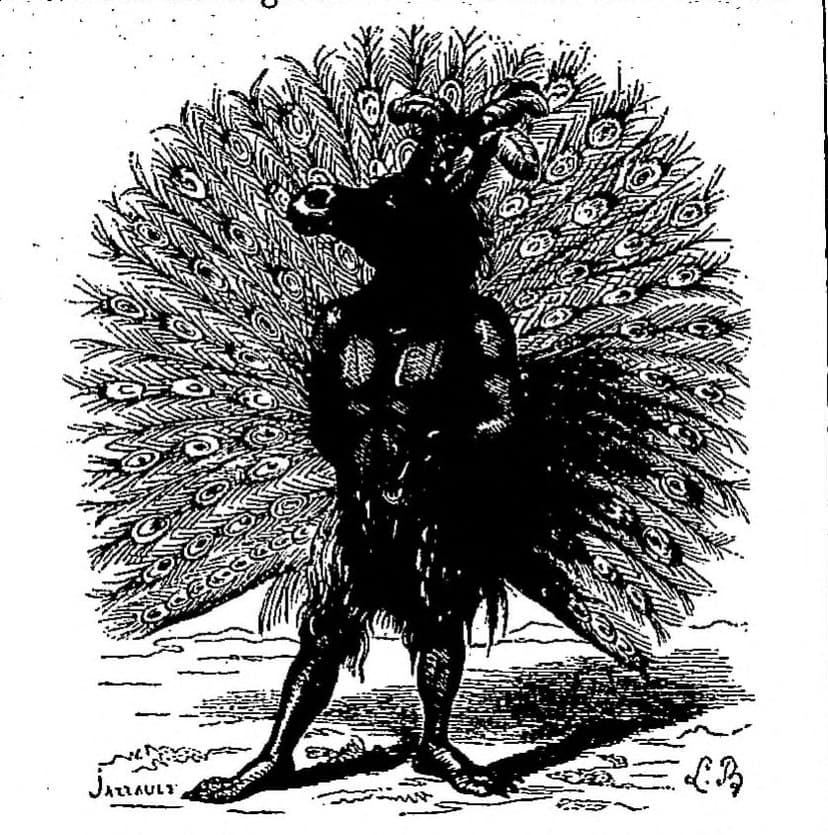
Adrammelech
Adrammelech is an ancient Semitic deity associated with the people of Sepharvaim, who, according to biblical accounts, practiced child sacrifice to him and his consort Anammelech. In later Judeo-Christian demonology, Adrammelech is reinterpreted as a fallen angel and a high-ranking demon, often depicted with a hybrid appearance and holding significant positions in Hell.
Arioch
Arioch is a figure appearing in the Book of Genesis as the King of Ellasar, who participated in the Battle of Siddim alongside other Mesopotamian kings. While traditionally understood as a historical figure, modern scholarship often views him as a literary creation, with Ellasar potentially linked to regions like Anatolia, Cyprus, or even a name found in Babylonian records. Arioch has also been adopted in later literature and demonology as a demonic entity and a lord of Chaos.