
Adrammelech
Ancient Semitic religion, later Judeo-Christian demonology·Biblical narrative, Talmudic literature, Demonology, Literary tradition·Ancient Near East (specifically Sepharvaim, associated with Mesopotamia)·Deity, Demon
Adrammelech is an ancient Semitic deity associated with the people of Sepharvaim, who, according to biblical accounts, practiced child sacrifice to him and his consort Anammelech. In later Judeo-Christian demonology, Adrammelech is reinterpreted as a fallen angel and a high-ranking demon, often depicted with a hybrid appearance and holding significant positions in Hell.
Key Facts
- ›Mentioned in the Book of Kings as a god of Sepharvaim, a people who offered child sacrifices.
- ›In the Talmud, Adrammelech is described as an idol in the shape of an ass or a peacock.
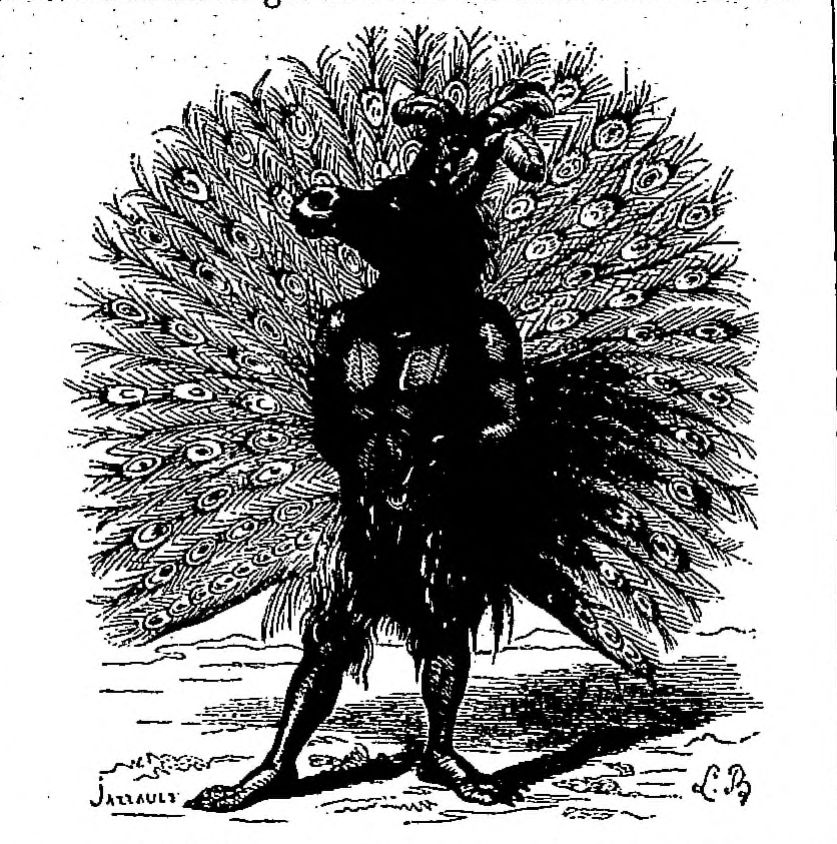
- ›In demonology, he is often depicted as a fallen angel with a human torso, a mule's head, and a peacock's tail.
- ›He is sometimes identified with the epithet 'majestic king' (ʾAddîr-meleḵ) from ancient Semitic sources.
- ›Appears in literary works such as Milton's Paradise Lost and Robert Silverberg's short story 'Basileus'.
Adramelech
Child Sacrifice, Idolatry, Hell
Associated With Child Sacrifice, Holds High Office In Hell
Book of Kings, Book of Isaiah, Talmud, Milton's Paradise Lost, Collin De Plancy's Infernal Dictionary, Ars Goetia, Robert Silverberg's 'Basileus', Graham Masterton's 'the Devils of D Day', Shin Megami Tensei Iv: Apocalypse
Anammelech, Sennacherib, Uriel, Raphael, Satan
Child Sacrifice, Idolatry, Ambition, Guile, Mischief, Hypocrisy
- Associated With Child Sacrifice By the Sepharvites.
Uriel, Raphael
- Originally An Ancient Semitic Deity, Later Reinterpreted As A Demon In Judeo-Christian Traditions.
Mule, Peacock, Ass
About Adrammelech
Adrammelech is an ancient Semitic deity primarily known from brief mentions in the Hebrew Bible. He is identified as a god worshipped by the people of Sepharvaim, a group deported by the Assyrians to Samaria. According to the Book of Kings, the Sepharvites practiced the horrific ritual of burning their children as sacrifices to Adrammelech and his consort, Anammelech.
Origins and Interpretations
The exact origins and nature of Adrammelech have been subject to scholarly interpretation. The name is commonly understood to mean "Majestic king" or "Magnificent king," possibly an epithet for the god Baal in earlier Semitic traditions. The Talmudic tradition offers a different perspective, describing Adrammelech as an idol in the shape of an ass, or alternatively, a peacock, with etymological analyses linking his name to these forms. The association with child sacrifice firmly places him as a deity of dread and abhorrence in biblical accounts.
Demonological Reinterpretation
In later Judeo-Christian demonology, Adrammelech underwent a significant transformation, becoming classified as a demon and a fallen angel. He is frequently depicted in various demonological texts and literary works with a hybrid appearance, often featuring a human torso, the head of a mule, and the tail of a peacock. Within this framework, Adrammelech is often assigned high-ranking positions in the infernal hierarchy, serving as a President of the Senate of Demons, Chancellor of Hell, or supervisor of Satan's wardrobe. His presence is noted in John Milton's epic poem Paradise Lost and has been featured in numerous other works of fiction and popular culture, solidifying his image as a formidable demonic entity.
Source: Wikipedia ↗
Frequently Asked Questions
What is Adrammelech known for in the Bible?
In the Bible, Adrammelech is mentioned as a god of Sepharvaim. The Sepharvites are described as having burned their children in fire as sacrifices to Adrammelech and Anammelech.
How is Adrammelech interpreted in the Talmud?
The Talmud interprets Adrammelech as an idol of the Sepharvaim in the shape of an ass, based on a etymological analysis of its name. Another interpretation suggests a form of a peacock, deriving the name from 'magnificent king'.
What is Adrammelech's role in demonology?
In Judeo-Christian demonology, Adrammelech is often considered a demon and a fallen angel. He is sometimes depicted as the President of the Senate of demons, Chancellor of Hell, and supervisor of Satan's wardrobe.
What does the name Adrammelech likely mean?
The name Adrammelech is generally believed to translate to 'Magnificent king' or 'Majestic king'. This interpretation is supported by reconstructed Semitic forms and comparisons to epithets of the god Baal.
Does Adrammelech have any prominent literary appearances?
Yes, Adrammelech appears in John Milton's epic poem Paradise Lost as a fallen angel. He is also depicted in Robert Silverberg's short story 'Basileus' and Graham Masterton's novel 'The Devils of D Day'.
Related Demons
Arioch
Arioch is a figure appearing in the Book of Genesis as the King of Ellasar, who participated in the Battle of Siddim alongside other Mesopotamian kings. While traditionally understood as a historical figure, modern scholarship often views him as a literary creation, with Ellasar potentially linked to regions like Anatolia, Cyprus, or even a name found in Babylonian records. Arioch has also been adopted in later literature and demonology as a demonic entity and a lord of Chaos.
Astaroth
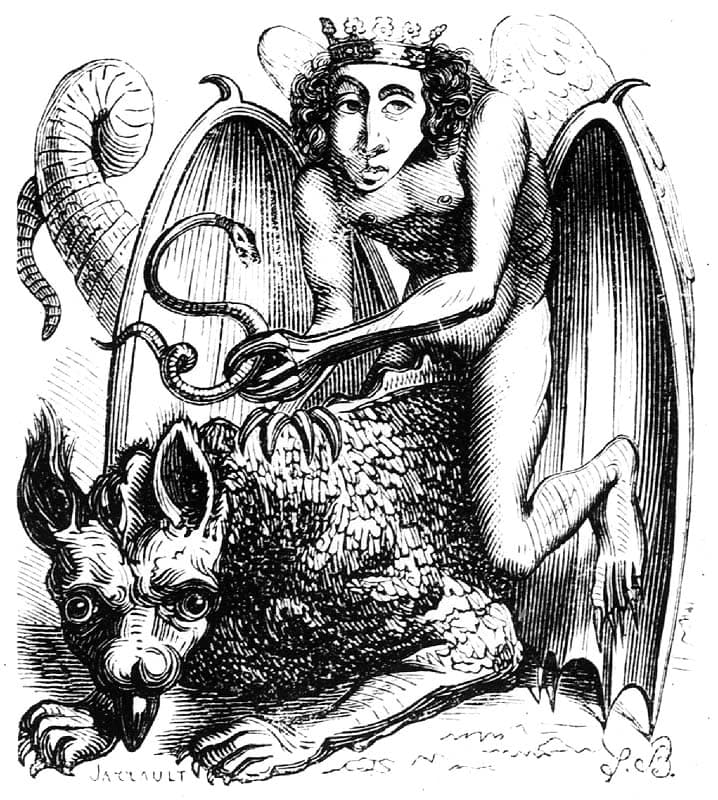
Astaroth is an arch-demon and Great Duke of Hell in demonology, notable for his origins as a demonized ancient Near Eastern goddess. His transformation reflects the historical process of demonizing pagan deities within Abrahamic religious traditions, particularly Christianity and Kabbalah.
Beelzebub
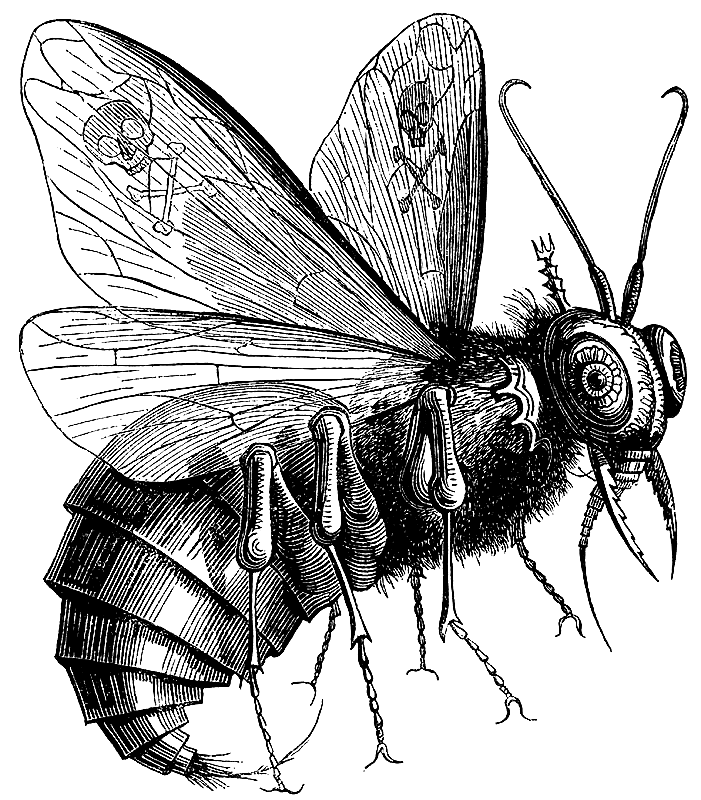
Beelzebub, also known as the "Lord of the Flies," is a demon prominent in demonology and Abrahamic religions, originating from a Philistine deity worshipped in Ekron. He is recognized as a major demon, often depicted as a prince of Hell and associated with sins like gluttony and envy, and is notably mentioned in the Christian New Testament as the "prince of demons."