
Arioch
Abrahamic religions (Judaism)·Religious text, Mythology, Demonology, Literature·Ancient Near East, Near East·King, Literary figure, Demon
Arioch is a figure appearing in the Book of Genesis as the King of Ellasar, who participated in the Battle of Siddim alongside other Mesopotamian kings. While traditionally understood as a historical figure, modern scholarship often views him as a literary creation, with Ellasar potentially linked to regions like Anatolia, Cyprus, or even a name found in Babylonian records. Arioch has also been adopted in later literature and demonology as a demonic entity and a lord of Chaos.
Key Facts
- ›Appears in Genesis 14 as the King of Ellasar who fought in the Battle of Siddim.
- ›Participated in a campaign led by Chedorlaomer against rebellious Canaanite kings.
- ›Some historical theories link Ellasar to the Mesopotamian city of Larsa and Arioch to the ruler Eri-Aku.
- ›Other scholarly interpretations connect Ellasar to ILānṣurā and Arioch to Arriuk from the Mari archives.
- ›Considered by some modern scholars as a literary figure, with Ellasar potentially relating to Alashiya.
- ›Later adopted in literature and demonology as a fictional demon and a lord of Chaos.
’Aryōḵ
Genesis 14, Book of Jubilees, Genesis Apocryphon, Paradise Lost, Michael Moorcock's Fantasy Series, Gene Wolfe's Briah Cycle
Chedorlaomer, Amraphel, Tidal, Bera of Sodom, Birsha of Gomorrah, Shinab of Admah, Shemeber of Zeboim, Zoar of Bela, Eri-Aku, Warad-Sin, Rim-Sin I, Kudur-Mabuk, Arriuk, Zimri-Lim, Satan
Chaos
About Arioch
Arioch is a figure primarily known from the Hebrew Bible, appearing in the Book of Genesis as the King of Ellasar. He is depicted as a participant in the Battle of Siddim, a conflict involving a coalition of Mesopotamian kings against rebellious Canaanite city-states. While Genesis presents him as a historical ruler, modern scholarship often regards Arioch and his kingdom, Ellasar, as either legendary or symbolic, with various theories attempting to identify Ellasar with known ancient locations such as Larsa in Mesopotamia, Cappadocia in Anatolia, or even the island of Cyprus (Alashiya).
Historical and Literary Interpretations
Scholarly debate surrounds Arioch's historicity. Some theories link Ellasar to the Babylonian kingdom of Larsa and suggest Arioch might correspond to a ruler named Eri-Aku, an epithet applied to kings like Warad-Sin or Rim-Sin I. Other research points to connections with the Mari archives, identifying Arioch with a figure named Arriuk, a subordinate of King Zimri-Lim. Conversely, many contemporary scholars consider Arioch to be a literary creation, possibly a composite figure or a name originating from foreign influences learned by Jewish communities in diaspora. The name Arioch itself is of Hebrew origin, appearing as 'Aryōḵ'.
Adaptations in Later Traditions
Beyond its biblical context, the name Arioch has been adopted and reimagined in later literary and occult traditions. In John Milton's epic poem Paradise Lost, Arioch is named as one of the fallen angels who served under Satan. More recently, Arioch has been featured in modern fantasy literature, notably in Michael Moorcock's Elric Saga and other works, where he is often portrayed as a powerful demonic entity and a principal lord of Chaos. This evolution highlights Arioch's transition from a biblical king to a prominent figure in demonology and speculative fiction.
Source: Wikipedia ↗
Frequently Asked Questions
Who is Arioch according to the Bible?
In the Book of Genesis, Arioch is identified as the King of Ellasar. He is described as one of four kings who joined forces with Chedorlaomer in a punitive expedition against five rebellious kings of Canaan.
Where was Ellasar, the kingdom ruled by Arioch?
The location of Ellasar is debated among historians. Theories suggest it could be in Anatolia, Cappadocia, or even linked to the Mesopotamian kingdom of Larsa. Some scholars also propose a connection to Ilānṣurā in Syria or Alashiya on Cyprus.
Is Arioch considered a historical figure?
While some historical theories attempt to identify Arioch with figures like Eri-Aku of Larsa or Arriuk of the Mari archives, many modern scholars view Arioch as a literary or legendary figure rather than a verifiable historical person.
Does Arioch appear in any other texts besides Genesis?
Yes, the story of Arioch is also mentioned in the Book of Jubilees. Additionally, Arioch has been adopted in later literary works and demonological texts as a demonic entity.
What is Arioch's role in later literature and demonology?
In later traditions, Arioch has been depicted as a fictional demon and is named as one of the fallen angels in John Milton's Paradise Lost. He is also portrayed as a principal lord of Chaos in Michael Moorcock's fantasy series.
Related Demons
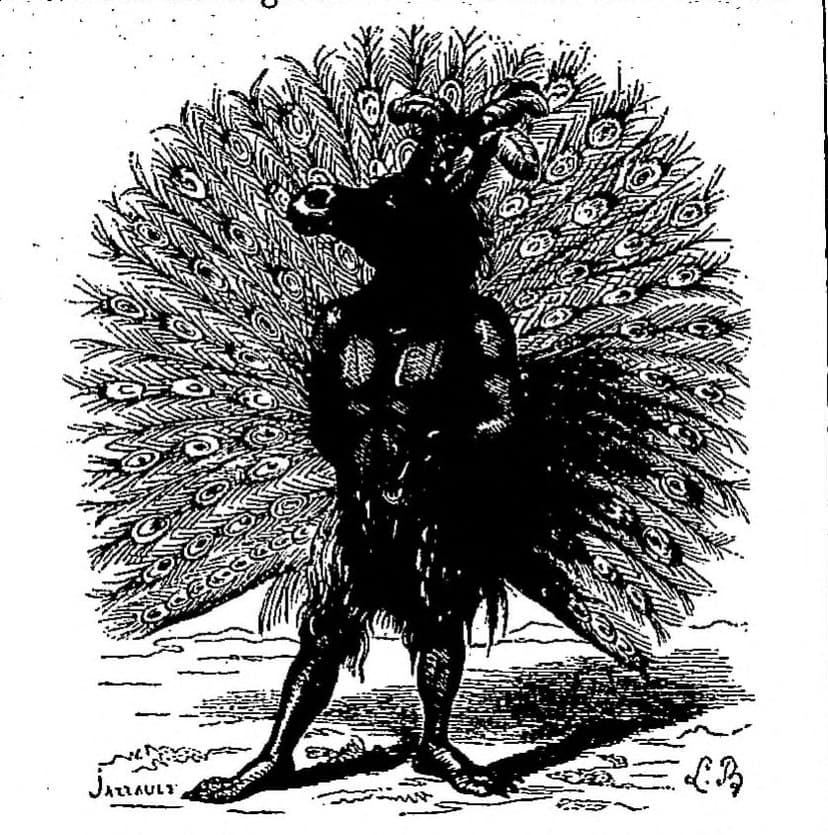
Adrammelech
Adrammelech is an ancient Semitic deity associated with the people of Sepharvaim, who, according to biblical accounts, practiced child sacrifice to him and his consort Anammelech. In later Judeo-Christian demonology, Adrammelech is reinterpreted as a fallen angel and a high-ranking demon, often depicted with a hybrid appearance and holding significant positions in Hell.
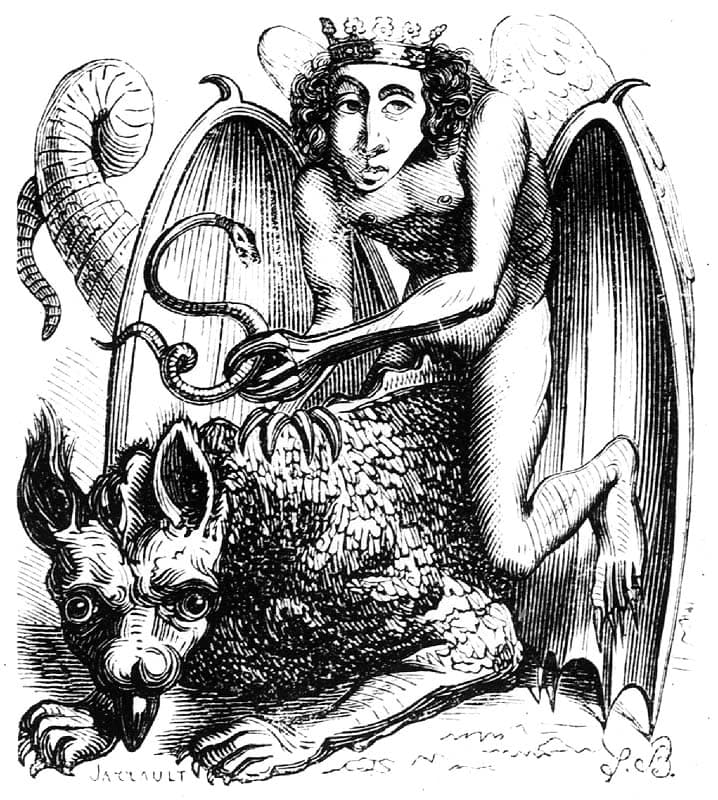
Astaroth
Astaroth is an arch-demon and Great Duke of Hell in demonology, notable for his origins as a demonized ancient Near Eastern goddess. His transformation reflects the historical process of demonizing pagan deities within Abrahamic religious traditions, particularly Christianity and Kabbalah.
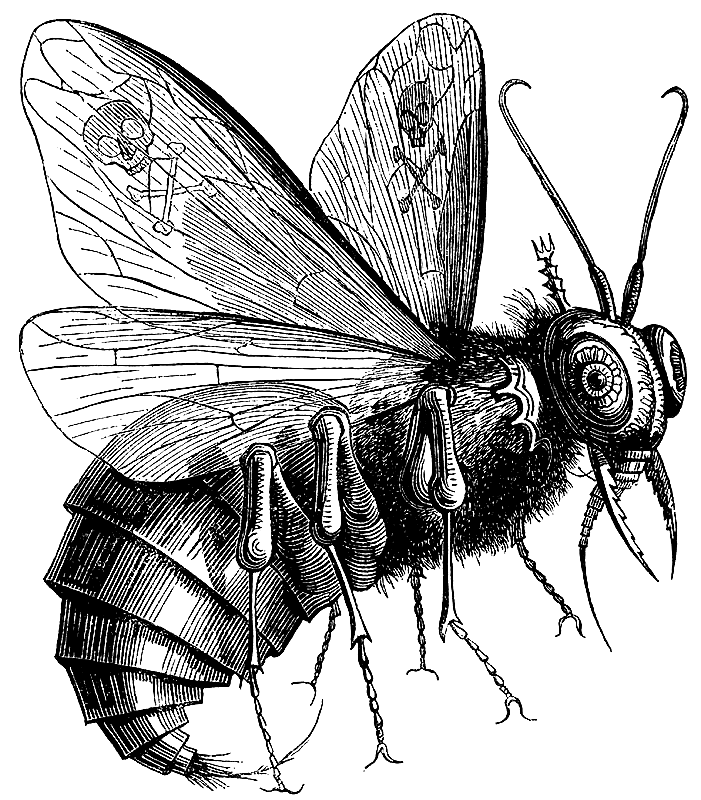
Beelzebub
Beelzebub, also known as the "Lord of the Flies," is a demon prominent in demonology and Abrahamic religions, originating from a Philistine deity worshipped in Ekron. He is recognized as a major demon, often depicted as a prince of Hell and associated with sins like gluttony and envy, and is notably mentioned in the Christian New Testament as the "prince of demons."