
Astaroth
Demonology, Kabbalah, Abrahamic Religions·Demonology, Mythology, Occultism·Near Eastern, European·Arch-demon, Great Duke of Hell, Adversary
Astaroth is an arch-demon and Great Duke of Hell in demonology, notable for his origins as a demonized ancient Near Eastern goddess. His transformation reflects the historical process of demonizing pagan deities within Abrahamic religious traditions, particularly Christianity and Kabbalah.
Key Facts
- ›Astaroth is an arch-demon and Great Duke of Hell.
- ›The name is derived from the Phoenician goddess Astarte, who was equated with Ishtar, Inanna, Aphrodite, and Venus.
- ›Astaroth is associated with the Qlippoth, the adverse forces in Kabbalah.
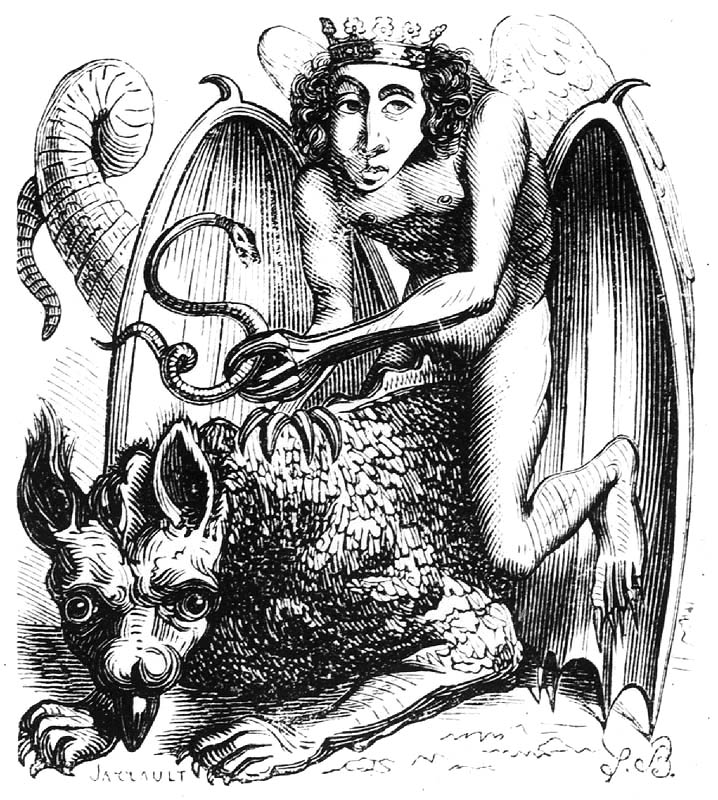
- ›He is depicted as a male demon, often with a toad-like head, black skin, and a dragon's tail, though descriptions vary.
- ›In some traditions, Astaroth represents the sin of sloth and is associated with the planet Jupiter.
- ›He is depicted as a deceiver, tempting humans with false cures and promoting laziness and vanity.
Ashtaroth, Astarot, Astetoth, Ashtoreth
Deception, Temptation, Sloth, Vanity, Disease, False Cures, Idolatry
Deception, Temptation, Inflicting Diseases, Offering False Cures, Possession
the Book of Abramelin, Dictionnaire Infernal, Pseudomonarchia Daemonum, the Lesser Key of Solomon, Grimorium Verum, the Golden Legend, Concordantiae Caritatis
Astarte, Saint Bartholomew, Ahura Mazda, Angra Mainyu, Ishtar, Inanna, Aphrodite, Venus
Idolatry, Pagan Worship, Deception, Sloth, Vanity, Rationalized Philosophies
- Astaroth Could Be Summoned With A Specific Magical Ring.
- His Solomonic Seal Appears In Some Occult Traditions.
Saint Bartholomew
- Originates From the Demonization of the Goddess Astarte, Who Had Various Semitic and Mesopotamian Equivalents Like Asherah and Ishtar, and Greek/Roman Equivalents Like Aphrodite and Venus.
- Kabbalistic Traditions View Him As A Negative Manifestation of Divine Attributes.
- In Some Islamic Interpretations, Female Deities Demonized By Abrahamic Systems Are Considered Manifestations of Shaitan.
Donkey, Serpent, Seal of Astaroth
About Astaroth
Astaroth: Arch-Demon of Deception and Idolatry
Astaroth is a prominent figure in demonology, recognized as an arch-demon and a Great Duke of Hell. His notoriety stems significantly from his historical transformation from ancient Near Eastern goddesses into a malevolent demonic entity. This process reflects a broader trend within Abrahamic religious traditions of demonizing pagan deities, particularly evident in Christian demonology and later Kabbalistic texts.
Origins and Demonization
The name Astaroth is ultimately derived from Astarte, a powerful goddess worshipped in the ancient Near East, known also as Asherah, Ishtar, and equivalent to the Greek Aphrodite and Roman Venus. The demonization of Astarte into Astaroth is a key aspect of his identity. This transformation is theorized to have been influenced by Zoroastrian dualism, which contrasts good and evil forces, and by Christian theological interpretations that equated pagan sacrifices with offerings to demons, as suggested in the First Epistle to the Corinthians.
Role and Attributes
In demonological contexts, Astaroth is often depicted as a deceiver. He is famously associated with the tale of Saint Bartholomew, where he is portrayed as a demon who tricks people into worshipping him by inflicting diseases and promising false cures. This narrative highlights his role in promoting idolatry and false worship. Astaroth is also linked to specific vices, notably sloth, and is sometimes associated with the planet Jupiter and the Qlippoth, the adverse spiritual forces in Kabbalah.
Appearance and Iconography
Descriptions of Astaroth's appearance are varied and often fearsome. He is typically depicted as a male figure, sometimes with a toad-like head, black skin, and a serpentine tail, often riding a dragon or a wolf-like creature. He is frequently shown wearing a crown and holding a serpent. In some traditions, he is described as a crowned, nude man with reptilian claws and feathered wings, or as a foul angel.
Appearances in Literature and Culture
Astaroth has a significant presence in occult literature, appearing in grimoires such as The Book of Abramelin and The Lesser Key of Solomon. His influence extends into popular culture, featuring in plays like Marlowe's Doctor Faustus, films such as Disney's Bedknobs and Broomsticks and Antrum: The Deadliest Film Ever Made, and various other literary and cinematic works, underscoring his enduring recognition as a significant demonic figure.
Source: Wikipedia ↗
Frequently Asked Questions
What is the origin of the name Astaroth?
The name Astaroth originates from the 2nd millennium BC Phoenician goddess Astarte. This goddess was known by various names across ancient cultures, including Asherah in Hebrew and Semitic tribes, Ishtar in Babylonia, and Inanna in Sumeria.
How did Astaroth become a demon?
Astaroth emerged through the demonization of pagan deities within Abrahamic religious systems. This process was influenced by Zoroastrian dualism and Christian interpretations of pagan sacrifices as offerings to demons, leading to the transformation of the goddess Astarte into the male demon Astaroth in medieval demonology.
What is Astaroth's appearance?
Depictions of Astaroth vary. In the Dictionnaire Infernal, he is described as a nude man with reptilian claws, feathered wings, wearing a crown, holding a serpent, and riding a lupine demon. Other accounts describe him as a foul angel or a black-faced devil.
What is Astaroth's role or domain of influence?
Astaroth is often depicted as a deceiver who tempts humans through false cures and the promotion of sins like sloth, vanity, and laziness. He is also associated with the Qlippoth and rules over a specific Qlippah in Kabbalistic tradition.
Is Astaroth associated with any specific sins?
Yes, Astaroth is sometimes depicted as representing the deadly sin of sloth. He is also associated with tempting humans through vanity and rationalized philosophies, particularly during the month of August.
What are some notable literary or cultural appearances of Astaroth?
Astaroth appears in various texts, including grimoires like The Book of Abramelin and The Lesser Key of Solomon. He is also featured in literary works and popular culture, such as Doctor Faustus, Bedknobs and Broomsticks, and the film Antrum: The Deadliest Film Ever Made.
Related Demons
Adrammelech
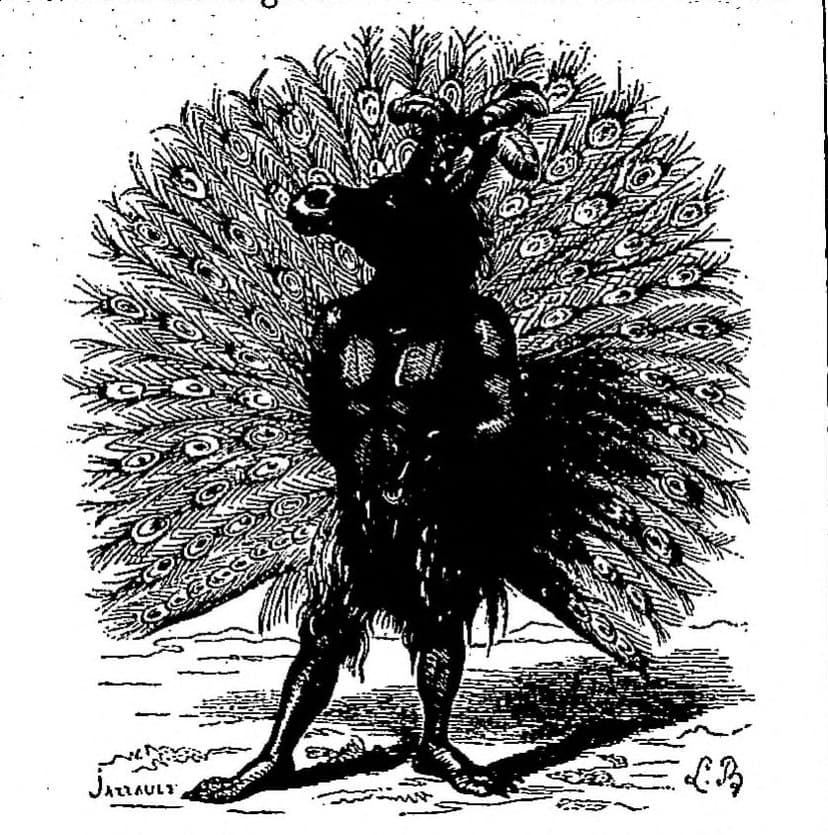
Adrammelech is an ancient Semitic deity associated with the people of Sepharvaim, who, according to biblical accounts, practiced child sacrifice to him and his consort Anammelech. In later Judeo-Christian demonology, Adrammelech is reinterpreted as a fallen angel and a high-ranking demon, often depicted with a hybrid appearance and holding significant positions in Hell.
Arioch
Arioch is a figure appearing in the Book of Genesis as the King of Ellasar, who participated in the Battle of Siddim alongside other Mesopotamian kings. While traditionally understood as a historical figure, modern scholarship often views him as a literary creation, with Ellasar potentially linked to regions like Anatolia, Cyprus, or even a name found in Babylonian records. Arioch has also been adopted in later literature and demonology as a demonic entity and a lord of Chaos.
Beelzebub
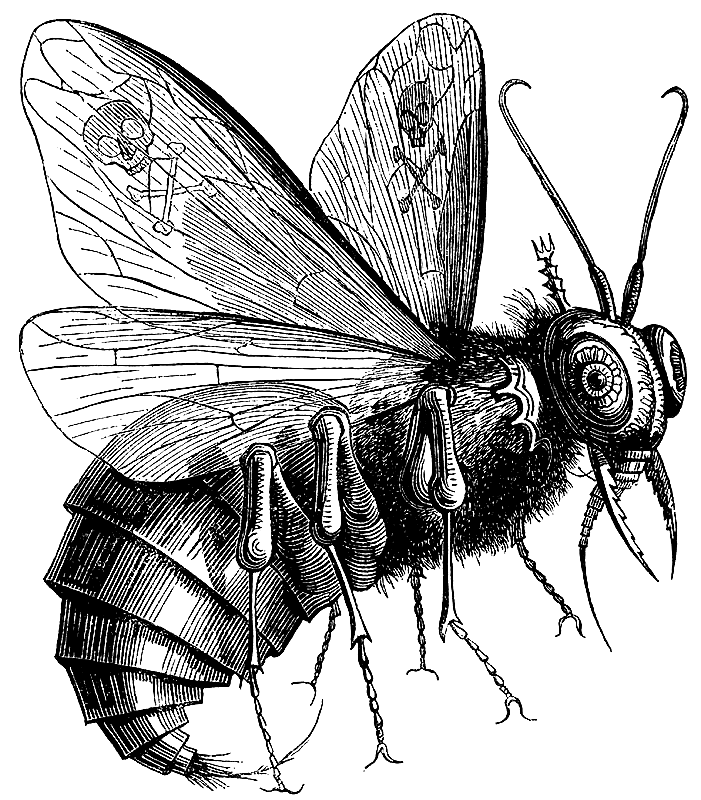
Beelzebub, also known as the "Lord of the Flies," is a demon prominent in demonology and Abrahamic religions, originating from a Philistine deity worshipped in Ekron. He is recognized as a major demon, often depicted as a prince of Hell and associated with sins like gluttony and envy, and is notably mentioned in the Christian New Testament as the "prince of demons."