
Beelzebub
Philistine religion, Jewish tradition, Christian tradition·Demonology, Mythology, Religious texts·Ancient Near East, Abrahamic cultures·Demon, Deified figure, Prince of Hell
Beelzebub, also known as the "Lord of the Flies," is a demon prominent in demonology and Abrahamic religions, originating from a Philistine deity worshipped in Ekron. He is recognized as a major demon, often depicted as a prince of Hell and associated with sins like gluttony and envy, and is notably mentioned in the Christian New Testament as the "prince of demons."
Key Facts
- ›Beelzebub originated as Ba'al Zabub, a Philistine god worshipped in Ekron.
- ›In the Hebrew Bible, King Ahaziah consulted Ba'al-zəvuv about his recovery from an injury, an act condemned by the prophet Elijah.
- ›In Christian tradition, Beelzebub is identified as the "prince of demons" and is accused of driving out other demons by Satan's power.
- ›He is often listed as one of the seven deadly demons or seven princes of Hell, associated with gluttony and envy.
- ›The name is sometimes translated as "Lord of the Flies," possibly as a derogatory term for the Canaanite god Baal.
- ›Beelzebub is depicted in various texts as a high-ranking demon, sometimes even leading a revolt against the Devil.
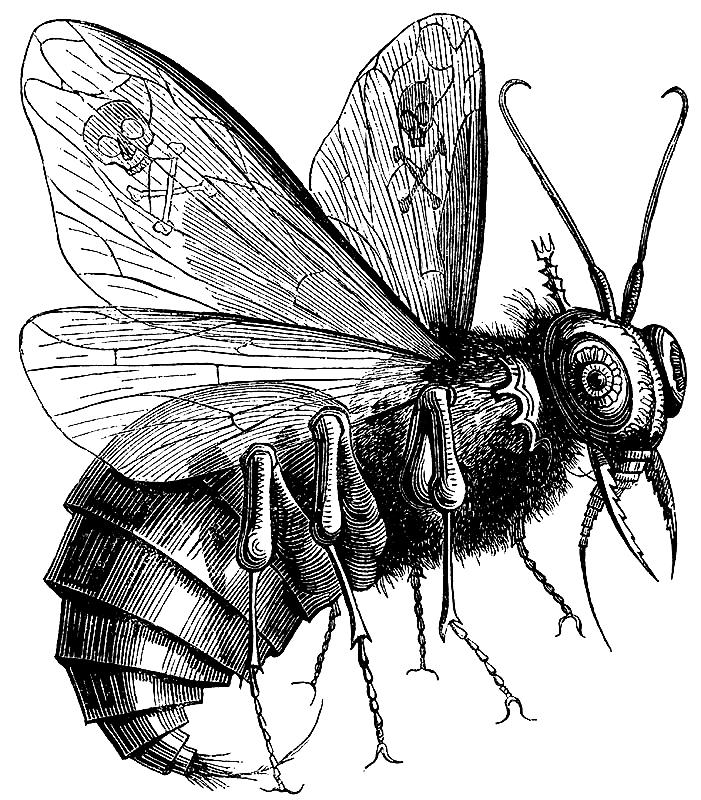
Ba'Al Zabub, Ba'Al Zvuv, Beelzebul, Belzebuth, Lord of the Flies, Lord of the Flyers, Lord of the Flying Demons, Baal-Zebub, Baal Muian, BaʿAl ZəVuv, BaʿAl ZəVûL
Gluttony, Envy, Destruction, Idolatry, Lust, Jealousy, Murder, War, Demonic Possession
Causing Destruction Through Tyrants, Causing Demons To Be Worshipped, Exciting Priests To Lust, Causing Jealousies In Cities and Murders, Bringing About War, Flying, Driving Out Demons
- 2 Kings
- Testament of Solomon
- Christian Gospels
- Dictionnaire Infernal
- Paradise Lost
- the Pilgrim's Progress
- the Lanterne of Light
- Admirable History
- Treatise On Confessions By Evildoers and Witches
- Lord of the Flies
King Ahaziah, Elijah the Prophet, Jesus Christ, Satan, Lucifer, Leviathan, Astaroth, Hades, Samael Aun Weor, Jean-Baptiste Gaufridi, Sister Madeleine De Demandolx De La Palud, Cotton Mather
Gluttony, Envy, Pride, Idolatry, Corruption, False Counsel, Rebellion
- Accused of Using Demonic Powers To Heal People.
- Held Responsible For Cases of Demonic Possession.
- Name Appeared Repeatedly During the Salem Witch Trials.
God, Jesus Christ, Spirit of God
- the Name Beelzebub Has Been Transliterated Differently Across Languages, Including BaʿAl ZəVuv, Beelzebul, Belzebuth, and BaʿL-ZabūL In Arabic.
- Interpretations of the Name's Meaning Vary, From "Lord of the Flies" To "Lord of the High Place" Or "Lord of the Dwelling."
- In Gnostic Traditions, Beelzebul Is Sometimes Seen As A Figure Who Rebelled and Was Later Converted.
Flies, Excrement
About Beelzebub
Beelzebub, also known as the "Lord of the Flies," is a prominent demonic figure with roots in Philistine mythology and significant adoption into Jewish and Christian demonology. Originally a deity worshipped in the Philistine city of Ekron, the name Ba'al Zabub was later incorporated into Abrahamic traditions, often as a major demon.
Origins and Etymology
The name Beelzebub originates from the Philistine god Ba'al Zabub. Its etymology is debated, with interpretations ranging from "Lord of the Flies" to "Lord of the High Place" or "Lord of the Dwelling." The association with "flies" may have been a derogatory pun by ancient Hebrews to mock the worship of Baal, likening followers to pests or associating the deity with excrement. However, some scholars suggest it could have been a genuine deity's name, possibly associated with healing.
Beelzebub in Religious Texts
In the Hebrew Bible, Beelzebub is mentioned in the Books of Kings, where King Ahaziah of Israel consults the god of Ekron about his injury, a decision later condemned by the prophet Elijah. In the New Testament, Beelzebub is identified as the "prince of demons." Jesus is accused by scribes of expelling demons by the power of Beelzebub, leading to theological discussions about the nature of demonic power and kingdoms.
Demonological and Christian Traditions
Beelzebub is widely recognized in demonological texts as one of the seven princes of Hell, often representing the sins of gluttony and envy. He is frequently depicted as a high-ranking demon, sometimes described as a fallen angel. In John Milton's "Paradise Lost," Beelzebub is portrayed as the second-ranking fallen angel after Lucifer. He also appears in John Bunyan's "The Pilgrim's Progress" and is implicated in historical events like the Salem witch trials.
Cultural Impact
Beelzebub's enduring presence is evident in his frequent appearance in literature, occult studies, and popular culture. The title "Lord of the Flies" has lent itself to modern interpretations, notably William Golding's novel, which explores themes of human depravity.
Source: Wikipedia ↗
Frequently Asked Questions
What is the origin of the name Beelzebub?
The name Beelzebub derives from Ba'al Zabub, a Philistine god formerly worshipped in the city of Ekron. It is associated with the Canaanite god Baal and has been interpreted in various ways, including "Lord of the Flies."
How is Beelzebub depicted in the Bible?
In the Hebrew Bible (2 Kings), Beelzebub is presented as a deity whose counsel King Ahaziah sought. In the Christian New Testament, Jesus is accused by scribes of driving out demons by Beelzebub, the "prince of demons."
What are Beelzebub's associations in demonology?
In demonology, Beelzebub is frequently identified as one of the seven princes of Hell and is often linked to the deadly sins of gluttony and envy. He is also sometimes portrayed as a leading fallen angel.
What are other names or titles for Beelzebub?
Beelzebub is also known as Ba'al Zabub, Ba'al Zvuv, Beelzebul, Belzebuth, and the "Lord of the Flies." He is sometimes referred to as the "Lord of the Flyers" or the "Lord of the Flying Demons."
Is Beelzebub considered a fallen angel?
In some traditions, such as the Testament of Solomon, Beelzebul is described as a former heavenly angel. He is also listed by some Christian traditions alongside Lucifer and Leviathan as a prominent fallen angel.
Related Demons
Belial
Belial is a term from the Hebrew Bible that evolved into a personified demonic figure, particularly in later Jewish and Christian texts. Initially signifying "wickedness" or "worthlessness," Belial became associated with the leader of demonic forces, the "Angel of Darkness," and is described as a prince of hell in some occult traditions. He is notable for his dual nature as both a concept of moral depravity and a powerful, named entity in various religious and occult systems.
Adrammelech
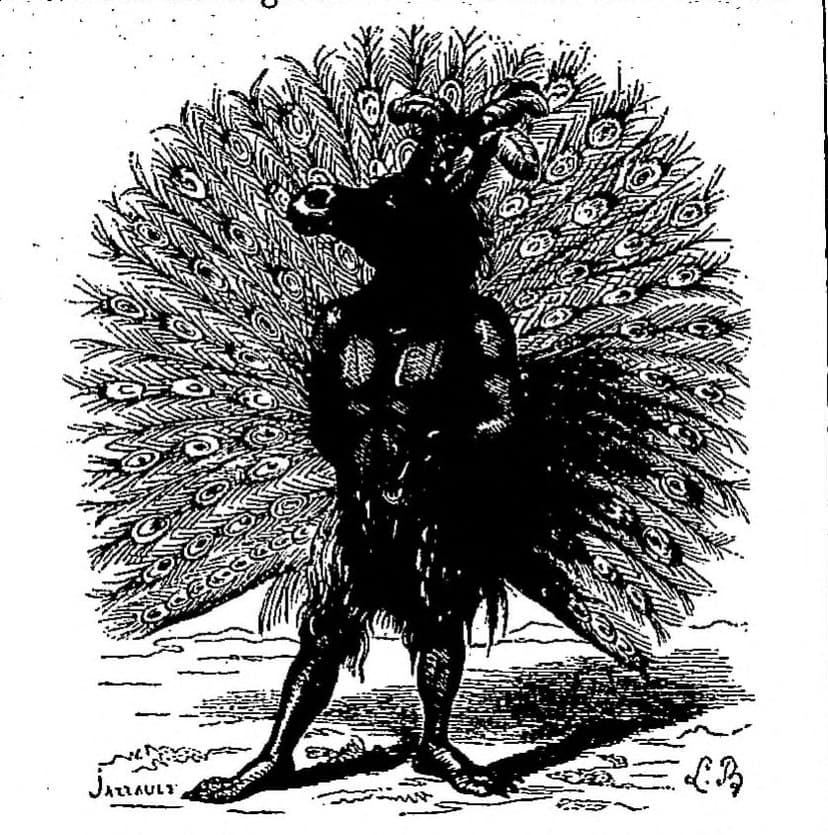
Adrammelech is an ancient Semitic deity associated with the people of Sepharvaim, who, according to biblical accounts, practiced child sacrifice to him and his consort Anammelech. In later Judeo-Christian demonology, Adrammelech is reinterpreted as a fallen angel and a high-ranking demon, often depicted with a hybrid appearance and holding significant positions in Hell.
Arioch
Arioch is a figure appearing in the Book of Genesis as the King of Ellasar, who participated in the Battle of Siddim alongside other Mesopotamian kings. While traditionally understood as a historical figure, modern scholarship often views him as a literary creation, with Ellasar potentially linked to regions like Anatolia, Cyprus, or even a name found in Babylonian records. Arioch has also been adopted in later literature and demonology as a demonic entity and a lord of Chaos.