
Belial
Judaism (Hebrew Bible, Second Temple period texts)·Demonology, Mythology, Religious texts·Ancient Near East (Hebrew)·Demon, Adversary, Personification of Wickedness
Belial is a term from the Hebrew Bible that evolved into a personified demonic figure, particularly in later Jewish and Christian texts. Initially signifying "wickedness" or "worthlessness," Belial became associated with the leader of demonic forces, the "Angel of Darkness," and is described as a prince of hell in some occult traditions. He is notable for his dual nature as both a concept of moral depravity and a powerful, named entity in various religious and occult systems.
Key Facts
- ›Originally a Hebrew word meaning "wickedness" or "worthlessness," often translated as "without worth" or "yokeless."
- ›In the Dead Sea Scrolls, Belial is personified as the leader of the "Sons of Darkness" and the "Angel of Darkness," a direct opponent to God's forces.
- ›He is identified with Samael and Satan in the Ascension of Isaiah, described as the "angel of lawlessness" and "ruler of this world."
- ›The New Testament mentions Belial once in 2 Corinthians, questioning the "concord" between Christ and Belial, though many manuscripts read "Beliar."
- ›Occult traditions, including the Lesser Key of Solomon and the Satanic Bible, list Belial as a significant demon, with the Satanic Bible naming him a "Crown Prince of Hell."
- ›In popular culture, Belial has appeared in various novels, films, and video games, often as a villainous or demonic entity.
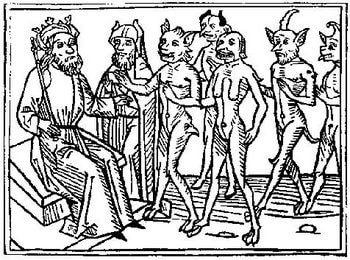
Baalial, Balial, Belhor, Beliall, Beliar, Berial, Bylyl, Beliya'Al, Belias
Wickedness, Worthlessness, Enmity, Darkness, Lawlessness, Evil, Corruption, Fornication, Wealth, Sanctuary Pollution
Inspiring Wickedness and Guilt, Controlling Demons, Leading Armies of Darkness, Opposing Divine Forces, Binding Spirits of Deceit
Hebrew Bible, Dead Sea Scrolls, Book of Jubilees, Testaments of the Twelve Patriarchs, Ascension of Isaiah, New Testament, Talmud, the Lesser Key of Solomon, the Satanic Bible, Paradise Lost, Soliloquy of the Spanish Cloister
Satan, Samael, Mastema, Yhwh, Angel of Light, Christ, Messiah, Jochaneh, Moses, Aaron, Eli, Nabal, David, Rehoboam, Jezebel, Amram
Wickedness, Worthlessness, Lawlessness, Enmity, Corruption, Idolatry, Contention, Self-Gratification
- Belial Is Mentioned In Occult Texts Such As the Lesser Key of Solomon and the Satanic Bible, Where He Is Assigned A Rank Among Demonic Entities.
Christ, God, Law of God, Messiah, Angels
- In Early Hebrew Usage, Belial Was A Descriptive Term For Worthless Individuals. In Later Jewish and Christian Texts, It Evolved Into A Personified Demonic Figure. the Spelling Beliar Is Preferred In Some New Testament Manuscripts and Is Considered A Phonetic Variation.
About Belial
Belial is a significant figure originating in the Hebrew Bible and evolving into a prominent demonic entity in later Jewish, Christian, and occult traditions. Initially, "Belial" was a Hebrew term signifying "wickedness" or "worthlessness," used to describe morally corrupt individuals or actions, particularly in the phrase "sons of Belial."
Evolution of Belial
The concept of Belial began to personify during the Second Temple period. In texts such as the Dead Sea Scrolls, Belial is depicted as a powerful demon, the leader of the "Sons of Darkness" and the "Angel of Darkness," directly opposed to God's forces. He is described as controlling demons and embodying enmity and wickedness. This personification continued in works like the Ascension of Isaiah, where Belial is identified with Samael and Satan, and called the "angel of lawlessness" and the "ruler of this world."
Belial in Religious and Occult Traditions
In early Christianity, Belial appears once in the New Testament (2 Corinthians), serving as a foil to Christ. While the term "sons of Belial" continued to appear in rabbinical literature as a reference to corrupt individuals, the demonic personification gained further traction in occult traditions. Grimoires like The Lesser Key of Solomon and The Satanic Bible list Belial as a notable demon, with The Satanic Bible designating him as a "Crown Prince of Hell" and dedicating a book to him. Edgar Cayce also used the term "sons of Belial" to describe forces focused on self-gratification.
Cultural Impact
Belial's persona has transcended religious and occult spheres to become a recurring figure in modern popular culture. He has been featured in numerous novels, films, and video games, often portrayed as a malevolent or adversarial entity, cementing his status as a well-known figure in demonology and popular imagination.
Source: Wikipedia ↗
Frequently Asked Questions
What is the origin of the name Belial?
The name Belial originates from a Hebrew word, often understood to mean "without worth" or "worthless." It is a combination of the Hebrew words 'beli-' (without) and 'ya'al' (to be of value).
How was Belial described in the Hebrew Bible?
In the Hebrew Bible, Belial was primarily used as a descriptive term for wicked or worthless people, often appearing in the phrase "sons of Belial." It characterized individuals defined by their worthlessness, such as idolaters or those who committed wicked acts.
When did Belial become a personified demon?
The personification of Belial as a demon began in texts from the Second Temple period, notably in the Dead Sea Scrolls, where he is depicted as the leader of demonic forces.
What is Belial's role in Christian traditions?
In the New Testament, Belial is mentioned once, questioning the compatibility of Christ with Belial. Later interpretations and occult traditions have further developed his persona as a powerful demonic entity, sometimes identified with Satan.
Is Belial a fallen angel?
While Belial is described as the "angel of enmity" and the "angel of lawlessness" in some texts, and is often placed in opposition to God, the texts do not consistently define him explicitly as a fallen angel in the same manner as Lucifer.
Where does Belial appear in occult literature?
Belial is mentioned in significant grimoires such as The Lesser Key of Solomon. In Anton LaVey's The Satanic Bible, he is listed as one of the Four Crown Princes of Hell, and a section of the book is dedicated to him.
Related Demons
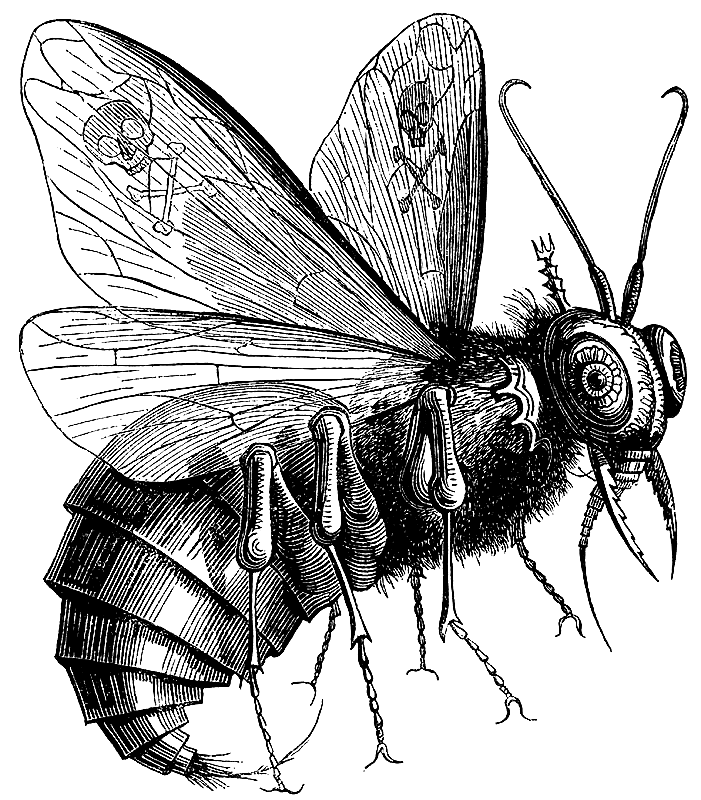
Beelzebub
Beelzebub, also known as the "Lord of the Flies," is a demon prominent in demonology and Abrahamic religions, originating from a Philistine deity worshipped in Ekron. He is recognized as a major demon, often depicted as a prince of Hell and associated with sins like gluttony and envy, and is notably mentioned in the Christian New Testament as the "prince of demons."

Abyzou
Abyzou is a female demon prominently featured in the folklore and demonological texts of the Near East and Europe, especially known for causing miscarriages and infant mortality. Driven by envy due to her own infertility, she is depicted as a malevolent entity with numerous names and forms. Her fullest depiction is in the Testament of Solomon, and she is also associated with figures like Gylou and Alabasandria, appearing on ancient magical amulets.
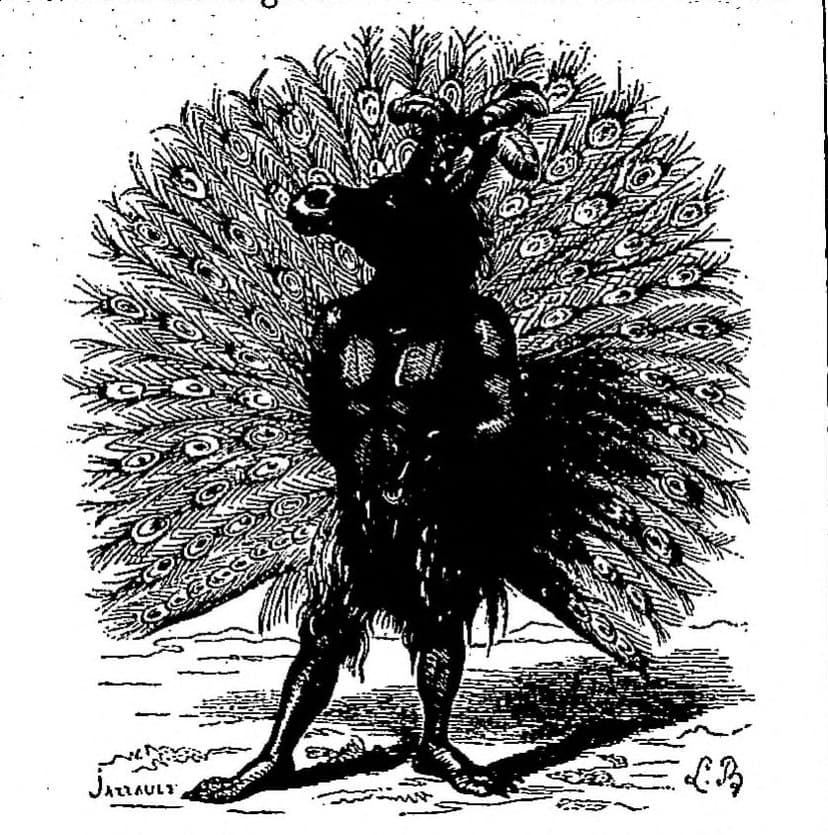
Adrammelech
Adrammelech is an ancient Semitic deity associated with the people of Sepharvaim, who, according to biblical accounts, practiced child sacrifice to him and his consort Anammelech. In later Judeo-Christian demonology, Adrammelech is reinterpreted as a fallen angel and a high-ranking demon, often depicted with a hybrid appearance and holding significant positions in Hell.