
Antichrist
Christian eschatology·Theology/Eschatology·Western Christianity·Adversary/Deceiver
Antichrist, also known as Anti-Messiah in broader eschatology, is a figure prophesied in Christian eschatology to oppose Jesus Christ and impersonate a savior before the Second Coming. The term, found in the New Testament's Epistles of John, initially referred to a category of deceivers, but later interpretations evolved to describe a singular, malevolent individual often associated with Satan. This figure is a significant concept in Christian theology, with varied interpretations throughout history, including its identification with the Papacy during the Reformation.
Key Facts
- ›The term 'Antichrist' originates from Greek 'anti' (against, in place of) and 'Christos' (anointed one).
- ›In the New Testament's Epistles of John, 'antichrist' refers to individuals who deny Jesus is the Christ, rather than a single future entity.
- ›Associated biblical figures include the 'little horn' in Daniel, the 'man of sin' in 2 Thessalonians, and the Beast of the Sea in Revelation.
- ›Early Church Fathers like Irenaeus and Hippolytus developed the concept, linking the Antichrist to the Roman Empire and specific tribes.
- ›During the Reformation, many Protestant leaders identified the Papacy as the Antichrist.
- ›Jewish and Islamic traditions have analogous figures, such as Armilus and Al-Masih AD-Dajjal, respectively.
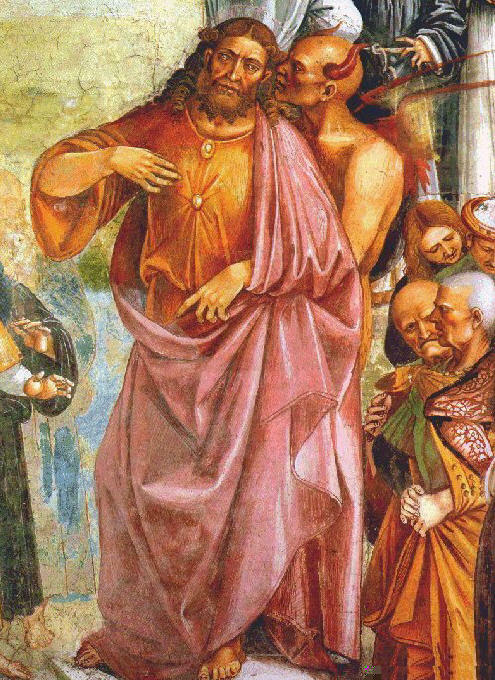
Anti-Messiah, Pseudokhristos, False Christ, Man of Sin, Lawless One, Beast of the Sea
Deception, Opposition To Christ, False Salvation, Evil, Rebellion
- Performing Great Signs and Wonders
- Deception
- Exalting Himself Above All Gods
- Taking A Seat In the Temple of God
- Working Through Satan With Power, Signs, and Lying Wonders
First Epistle of John, Second Epistle of John, Gospels, Book of Daniel, Second Epistle To the Thessalonians, Book of Revelation, Odes of Solomon, Ascension of Isaiah
Jesus Christ, Satan, False Prophets, Elijah, Enoch, Archangel Michael, Pope John Xv, Pope Gregory Vii, Arius of Alexandria, Nero
Denial of the Father and the Son, Lawlessness, Apostasy, Rebellion, Pride, Deception, Evil, Opposing Divine Will
- the Text Mentions Interpretations Where the Antichrist Sits In the Temple of God In Jerusalem.
- Some Traditions Associate the Antichrist With A Three-and-A-Half-Year Reign Before His Defeat.
Jesus Christ, Archangel Michael, Elijah, Enoch, the 'One Who Restrains'
- Jewish Eschatology Has Armilus.
- Islamic Eschatology Has Al-Masih Ad-Dajjal.
- During the Reformation, the Papacy Was Identified As the Antichrist By Many Protestants.
666, Little Horn, Beast of the Sea, Temple of God
About Antichrist
The Antichrist is a figure central to Christian eschatology, representing a powerful adversary who will oppose Jesus Christ and attempt to usurp His role as savior prior to the Second Coming. The term itself, derived from Greek, signifies one who is 'against' or 'in place of' Christ. While the New Testament, particularly the Epistles of John, initially uses 'antichrist' to describe individuals or spirits who deny Jesus Christ, later theological developments and interpretations evolved this concept into a singular, malevolent entity.
Biblical References and Early Interpretations
The concept of the Antichrist draws from various biblical passages. The Epistles of John directly use the term to denote those who deny the divinity of Jesus. Jesus himself warned of "false Christs" and "false prophets" who would perform great signs and wonders in the Gospels of Matthew and Mark. The Book of Daniel describes a "little horn," while Paul's Second Epistle to the Thessalonians speaks of the "man of sin" or "lawless one" who will oppose and exalt himself above all divine worship and sit in the temple of God. The Book of Revelation features the "Beast of the Sea," often associated with the Antichrist.
Early Church Fathers expanded on these ideas. Figures like Irenaeus, Tertullian, and Hippolytus of Rome debated the Antichrist's nature and origins, sometimes linking him to the Roman Empire, the tribe of Dan, or specific historical figures like Nero. These interpretations ranged from figurative to literal, and from a future individual to a present force of opposition.
Historical and Theological Developments
During the Protestant Reformation, prominent figures such as Martin Luther, John Calvin, and John Knox identified the Papacy as the Antichrist. They viewed the institution of the papacy as a present manifestation of evil and an apostate church, rather than expecting a single future individual.
Conversely, Catholic, Orthodox, and other Christian traditions generally maintain the view of the Antichrist as a future deceiver, potentially inhabited by Satan, whose ultimate goal is to challenge humanity's allegiance to God. Non-Christian traditions also possess analogous figures, such as Armilus in Jewish eschatology and Al-Masih ad-Dajjal in Islamic eschatology, who embody ultimate evil and opposition to divine will.
The Antichrist is often described with powers of deception, performing signs and wonders to mislead believers. He is prophesied to be ultimately destroyed by Jesus Christ at His second coming. The figure remains a potent symbol of ultimate evil and deception within Christian theology and eschatological discourse.
Source: Wikipedia ↗
Frequently Asked Questions
What does the term 'Antichrist' mean?
The term Antichrist is derived from ancient Greek words meaning 'against' and 'in place of' Christ. It refers to an entity prophesied to oppose Jesus Christ and falsely present itself as a savior.
Where is Antichrist mentioned in the Bible?
The term 'Antichrist' appears solely in the First and Second Epistles of John in the New Testament. Similar concepts like 'false Christ' are found in the Gospels, and other associated figures appear in the books of Daniel, 2 Thessalonians, and Revelation.
Was Antichrist initially a single individual?
In the New Testament, particularly in the Epistles of John, 'antichrist' referred to a category of people, such as deceivers and false teachers, who denied the Father and the Son. The concept of a single, future individual Antichrist developed through later interpretations by Church Fathers.
How did the interpretation of Antichrist change over time?
Early interpretations varied, with some linking the Antichrist to the Roman Empire or specific groups. During the Reformation, many Protestants identified the Papacy as the Antichrist, viewing it as a present manifestation of evil rather than a future individual.
Are there similar figures in other religions?
Yes, non-Christian traditions feature analogous figures. Jewish eschatology has Armilus, and Islamic eschatology has Al-Masih ad-Dajjal, both representing ultimate evil that opposes divine will.
Related Demons
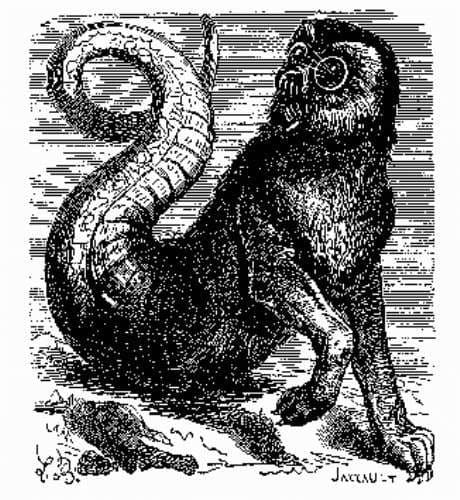
Aamon/Amon
Aamon, also known as Amon, is a Grand Marquis of Hell in demonology, commanding 40 infernal legions according to the Ars Goetia. He is notable for his knowledge of the past and future, his ability to reconcile friends and foes, and his association with life and reproduction. His origins are linked to ancient Libyan and Punic deities.
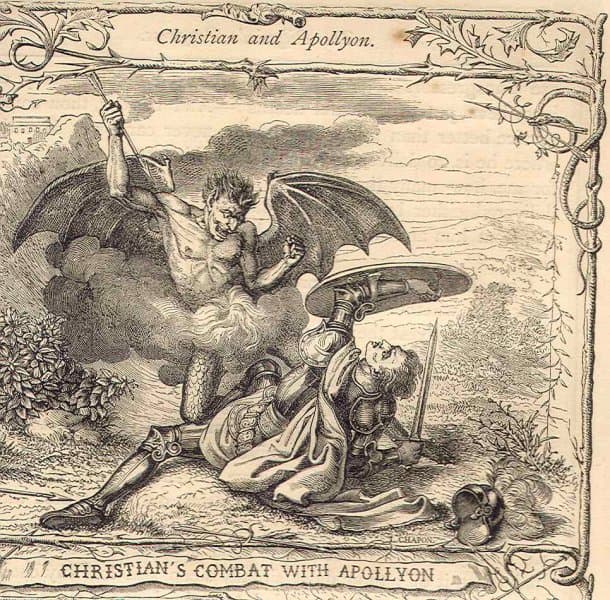
Abaddon/Apollyon
Abaddon, also known as Apollyon in Greek, is a figure appearing in biblical texts as both a place of destruction and a powerful angel associated with the abyss. Primarily recognized from the Hebrew Bible and the New Testament's Book of Revelation, Abaddon is often depicted as a destroyer or the king of a demonic army. Its significance lies in its multifaceted interpretations across various religious and literary traditions, evolving from a concept of ruin to a specific angelic or demonic entity.

Abyzou
Abyzou is a female demon prominently featured in the folklore and demonological texts of the Near East and Europe, especially known for causing miscarriages and infant mortality. Driven by envy due to her own infertility, she is depicted as a malevolent entity with numerous names and forms. Her fullest depiction is in the Testament of Solomon, and she is also associated with figures like Gylou and Alabasandria, appearing on ancient magical amulets.