
Sengcan
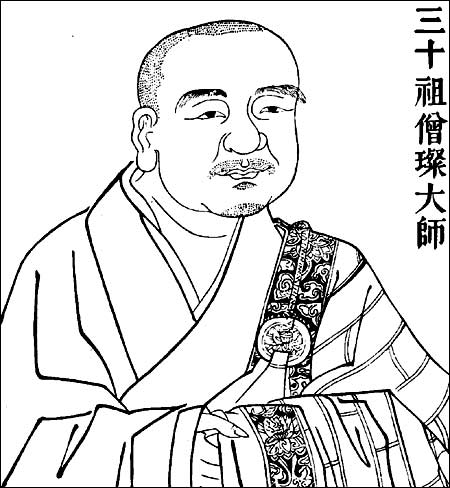
Jianzhi Sengcan is historically recognized as the Third Chinese Patriarch of Chán Buddhism, following Bodhidharma and Dazu Huike. He is primarily known for his putative authorship of the "Xinxin Ming" (Inscription on Faith in Mind), a significant Chan poem. Despite his importance in the lineage, detailed biographical information about Sengcan is scarce and often derived from traditional, later compiled texts.
Key Facts
- ›Considered the Third Chinese Patriarch of Chán Buddhism.
- ›Putative author of the influential Chan poem "Xinxin Ming" ("Inscription on Faith in Mind").
- ›Dharma successor to the Second Chinese Patriarch, Dazu Huike.
- ›Received the honorary title Jianzhi ("Mirror Wisdom") from a Tang dynasty emperor.
- ›Lived in hiding on mountains and wandered for a period due to Buddhist persecution.
- ›His birth year, place, and family name are unknown.
Important Relationships
- Dazu Huike
- Daoxin
Xinxin Ming
Wangong Mountain, Sikong Mountain, Mount Luofu
Dazu Huike, Bodhidharma
Chinese
About Sengcan
Jianzhi Sengcan
Jianzhi Sengcan (c. 5th century – 606 CE) is revered as the Third Chinese Patriarch of Chán Buddhism, following Bodhidharma and Dazu Huike. He is most famously associated with the "Xinxin Ming" (Inscription on Faith in Mind), a pivotal poem in Chan literature, though modern scholarship questions his authorship.
Biography and Lineage
Details surrounding Sengcan's birth, including his birth year, place, and family name, remain unknown. He is said to have met his teacher, Dazu Huike, in 536 CE, and tradition holds that he remained with Huike for several years, eventually receiving Dharma transmission. The encounter with Huike is often depicted through a koan-like dialogue concerning the nature of sin. Following Huike's warning of impending persecution, Sengcan lived in hiding on mountains, including Wangong Mountain and Sikong Mountain, and spent a period without a fixed abode.
He later met Daoxin, a novice monk, in 592 CE. Daoxin studied with Sengcan for nine years and received Dharma transmission from him. Sengcan spent his final years in various locations before dying in 606 CE while seated under a tree before a Dharma assembly.
Sengcan was later honored with the title Jianzhi, meaning "Mirror Wisdom," by a Tang dynasty emperor. The historical record of Sengcan is notably sparse, with much of what is known derived from traditional biographies compiled centuries after his death, such as the "Transmission of the Lamp."
Teachings and Writings
Sengcan is traditionally linked to the study of the Lankavatara Sutra, a text that emphasizes the dissolution of duality and the practice of contemplation. However, the extent of his direct engagement with and influence from this sutra is a subject of scholarly debate. While he is widely credited as the author of the "Xinxin Ming," many contemporary scholars find this attribution improbable due to a lack of corroborating evidence from earlier historical periods.
Historical Context and Sources
The historical basis for Sengcan's life and role as patriarch is considered ambiguous. The earliest mention of his name appears in Daoxuan's "Further Biographies of Eminent Monks" (645 CE), where he is listed as one of Huike's disciples without further detail. It was in later texts, such as the "Records of the Transmission of the Dharma-treasure" (c. 710 CE), that a teaching lineage was established, placing Sengcan as Huike's successor. The majority of information available about Sengcan originates from later compilations like the "Compendium of Five Lamps" (early 13th century), leading to significant scholarly doubt regarding the historical accuracy of these accounts.
Source: Wikipedia ↗
Frequently Asked Questions
Who was Jianzhi Sengcan?
Jianzhi Sengcan is recognized as the Third Chinese Patriarch of Chán Buddhism. He is considered the successor to the Second Patriarch, Dazu Huike, and is best known for the "Xinxin Ming" poem.
What is the "Xinxin Ming"?
The "Xinxin Ming," also known as the "Inscription on Faith in Mind," is a famous Chan poem attributed to Sengcan. It is a significant text in Chan Buddhism, emphasizing the importance of unwavering faith and understanding.
When and where was Sengcan born and did he die?
The year and place of Sengcan's birth are unknown, as is his family name. He died in 606 CE, sitting under a tree before a Dharma assembly, but the specific location of his death is not precisely detailed in historical records.
How long did Sengcan study with his teacher, Huike?
Accounts vary on the duration of Sengcan's studies with Huike. Some records suggest he stayed with his teacher for six years, while others mention he attended Huike for two years after meeting him in 536 CE.
What were Sengcan's teachings?
Sengcan was reputed to be a devotee of the Lankavatara Sutra, which emphasizes the elimination of duality and the contemplation of wisdom. However, the specific details and extent of his teachings are speculative due to limited authentic evidence.
What is known about Sengcan's writings?
Sengcan is traditionally honored as the author of the "Xinxin Ming." However, most modern scholars consider this attribution improbable, and there is a lack of authentic evidence for other specific writings.
Related Buddhists
Jizang
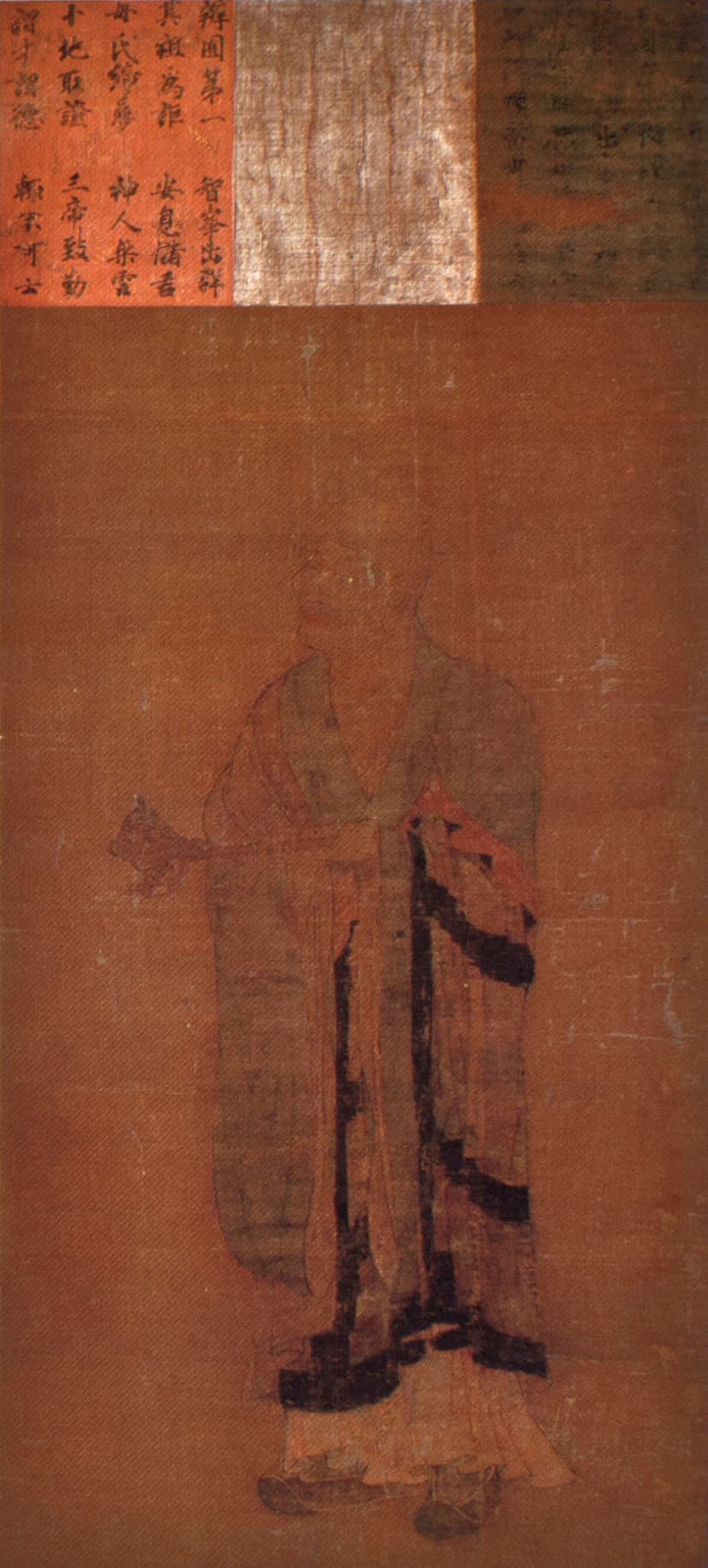
Jizang (549–623 CE) was a Persian-Chinese Buddhist monk and scholar widely recognized as the founder of East Asian Mādhyamaka. He lived during a period of political transition in China and developed a nuanced philosophical approach to understanding Buddhist teachings, particularly the Madhyamaka treatises. His extensive writings and lectures significantly shaped the development of Mahayana Buddhism in East Asia.
Huineng
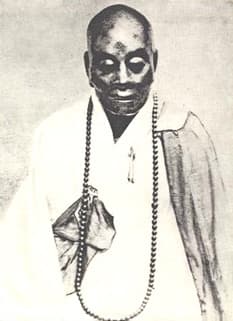
Huineng was a pivotal, though semi-legendary, figure in early Chinese Chan Buddhism, revered as the Sixth Patriarch. Despite his illiteracy and humble origins, tradition states he attained sudden enlightenment upon hearing the Diamond Sutra and was secretly chosen as the successor to the Fifth Patriarch, Daman Hongren. He is credited with founding the "Sudden Enlightenment" Southern Chan school, emphasizing immediate insight over gradual practice, and his teachings, recorded in the influential Platform Sutra, continue to shape East Asian Buddhist thought.
Śīlabhadra
Śīlabhadra (529–645) was a prominent Buddhist monk and philosopher who served as the abbot of Nālandā monastery in India. Renowned for his expertise in Yogācāra teachings, he became the personal tutor to the influential Chinese Buddhist monk Xuanzang, facilitating the transmission of Buddhist knowledge between India and China. His teachings, particularly his interpretation of the three turnings of the Dharma Wheel, significantly shaped Buddhist philosophical discourse.