
Sakya Monastery
Monastery·China·11th century·Sakya (Sakyapa) school of Tibetan Buddhism
Sakya Monastery is a significant Buddhist monastery located in the Tibet Autonomous Region of China, serving as the principal seat of the Sakya school of Tibetan Buddhism. Founded in 1073, it played a crucial role in governing Tibet during the 13th and 14th centuries and houses a vast collection of Buddhist scriptures and art.
Key Facts
- ›Founded by Khön Könchok Gyalpo in 1073, it is the seat of the Sakya school of Tibetan Buddhism.
- ›Its abbots governed Tibet under Yuan Chinese overlordship in the 13th and 14th centuries.
- ›The monastery contains a large library with up to 84,000 books, including ancient manuscripts and scriptures.
- ›It features significant surviving artwork, including over 3,000 murals depicting religious and historical themes.
- ›The northern monastery was destroyed during the Cultural Revolution, while the southern half was rebuilt and renovated.
- ›A branch of Sakya Monastery was reestablished in Dehradun, India, in 1959 after the Chinese invasion of Tibet.

Important Relationships
- Khön Könchok Gyalpo
- Drogön Chögyal Phagpa
- Sakya Sangpo
- Kublai Khan
- Phagpa lama
- Ngawang Kunga (41st Sakya Trizin)
- Kyabgon Sakya Gongma Trichen Rinpoche
- Ratna Vajra Rinpoche (42nd Sakya Trizin)
- Lhakang Chempo Or Sibgon Trulpa
- Vast Library With Up To 84,000 Books
- Over 3,000 Murals Depicting Religious, Historical, and Cultural Themes
- A Conch Shell Presented By Kublai Khan To Phagpa Lama
- Founded In 1073
- Governed Tibet Under Yuan China
- Southern Monastery Construction Ordered By DrogöN ChöGyal Phagpa In 1268
- Northern Monastery Destroyed During the Cultural Revolution
- Monks Forced To Leave After the 1959 Lhasa Uprising
- Reestablished In Dehradun, India, In 1959
- Renovated and Rebuilt In 2002
About Sakya Monastery
Sakya Monastery, also known as Pel Sakya, is a foundational institution of the Sakya (or Sakyapa) school of Tibetan Buddhism. Situated in Sa'gya Town, Tibet Autonomous Region, China, it is considered the primary seat of this influential Buddhist tradition.
History and Governance
The monastery was founded in 1073 by Khön Könchok Gyalpo, a prominent figure who became the first Sakya Trizin. Its historical significance extends beyond its religious role, as its powerful abbots governed Tibet during the 13th and 14th centuries under the overlordship of Yuan China, following the decline of the Tibetan Empire. This period saw the Sakya school rise to prominence before being succeeded by the Kagyu and Gelug schools.
Architecture and Collections
The architecture of Sakya Monastery is distinct from other temples in the region. The Lhakang Chempo, originally a cave built in 1268 and later restored, is the sole surviving ancient structure. The monastery grounds are extensive, with the main hall covering a considerable area. Sakya Monastery is particularly renowned for its vast library, which is said to house up to 84,000 books, including rare Buddhist scriptures, historical texts, and scientific works. It also possesses a significant collection of over 3,000 murals, providing valuable visual records of religious, historical, and cultural themes, including depictions of key figures and events like Phagpa's meeting with Kublai Khan. Among its artifacts is a unique conch shell, a gift from Kublai Khan to Phagpa lama.
Modern History and Continuity
In the 20th century, Sakya Monastery faced considerable challenges. The northern monastery was destroyed during the Cultural Revolution, and many monks were forced to leave following the 1959 Lhasa uprising. However, the southern half survived and has since undergone renovation and rebuilding, with significant restoration efforts occurring in 2002. Recognizing the importance of preserving its heritage, the monastery began digitizing its library in 2011. Furthermore, a branch of Sakya Monastery was reestablished in Dehradun, India, in 1959 by the 41st Sakya Trizin, Ngawang Kunga, ensuring the continuity of Sakya traditions through the efforts of exiled monks and scholars.
Source: Wikipedia ↗
Frequently Asked Questions
When was Sakya Monastery founded?
Sakya Monastery was founded in 1073 by Khön Könchok Gyalpo. This marked the establishment of a major center for the Sakya school of Tibetan Buddhism.
What is the significance of Sakya Monastery in Tibetan history?
The powerful abbots of Sakya Monastery governed Tibet during the 13th and 14th centuries under the overlordship of Yuan China. They were influential in the political landscape of Tibet after the downfall of the Tibetan Empire.
What notable collections does Sakya Monastery house?
Sakya Monastery is renowned for its extensive library, estimated to contain up to 84,000 books, including Buddhist scriptures, literature, history, and philosophy. It also preserves over 3,000 murals and numerous pieces of porcelain.
What happened to Sakya Monastery during the Cultural Revolution?
During the Cultural Revolution, the northern part of Sakya Monastery was destroyed. However, the southern half managed to escape destruction and was later renovated and rebuilt.
Is there a Sakya Monastery located outside of Tibet?
Yes, following the Chinese invasion of Tibet in 1959, the 41st Sakya Trizin went into exile in India and reestablished Sakya Monastery in Dehradun. This branch continues to preserve Sakya traditions.
Related Buddhist Temples

Key Monastery
Key Monastery, also known as Kye Gompa, is a prominent Tibetan Buddhist monastery situated atop a hill in the Spiti Valley of Himachal Pradesh, India. It serves as the largest monastery in the region and a significant religious training center for lamas, dedicated to the reincarnation of the great translator Lotsawa Rinchen Zangpo.
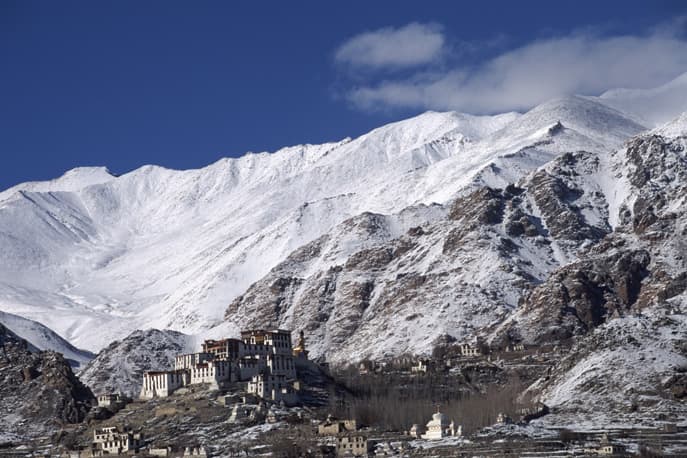
Likir Monastery
Likir Monastery, also known as Likir Gompa, is a significant Buddhist monastery located in Ladakh, India. Established in 1065, it is a prominent center for the Gelugpa sect of Tibetan Buddhism and serves as the seat for the Ngari Rinpoche.
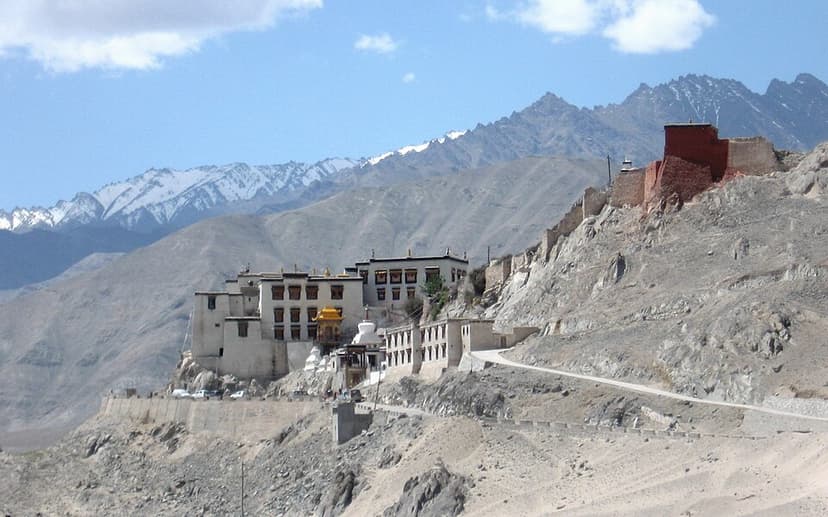
Spituk Monastery
Spituk Monastery, also known as Spituk Gompa, is a significant Buddhist monastery located in Spituk, Ladakh. Founded in the 11th century by Od-de, it was initially a Red Hat institution before being taken over by the Gelugpa sect in the 15th century. The monastery is notable for its large monastic community and its annual Gustor Festival.