
Spituk Monastery
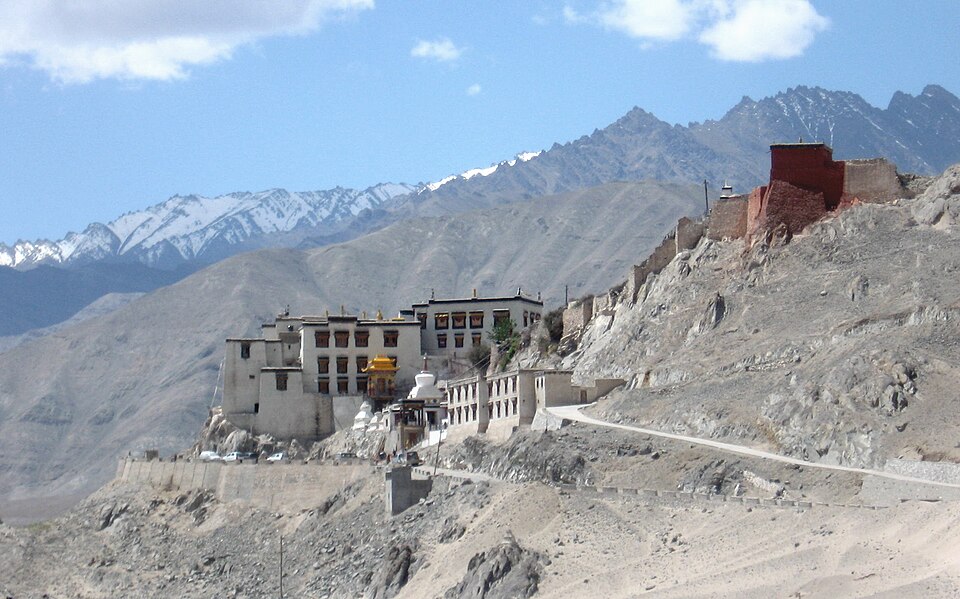
Spituk Monastery, also known as Spituk Gompa, is a significant Buddhist monastery located in Spituk, Ladakh. Founded in the 11th century by Od-de, it was initially a Red Hat institution before being taken over by the Gelugpa sect in the 15th century. The monastery is notable for its large monastic community and its annual Gustor Festival.
Key Facts
- ›Founded in the 11th century by Od-de, elder brother of Lha Lama Changchub Od.
- ›Originally established as a Red Hat institution, later taken over by the Gelugpa sect in the 15th century.
- ›Home to approximately 100 monks.
- ›Features a giant statue of Kali, unveiled during the annual festival.
- ›Hosts the annual Gustor Festival from the 27th to 29th day of the eleventh month of the Tibetan calendar.
- ›Located in Spituk, Leh district, Ladakh, about 8 km from Leh town.
Important Relationships
- Arhat Nyimagung
- Od-de
- Lha Lama Changchub Od
- Lotsewa Rinchen Zangpo
- Dharma raja Gragspa Bum-Ide
- Lama Lhawang Lodos
- Tsonkhapa
Giant Statue of Kali, Site Blessed By Arhat Nyimagung
- Founded By Od-De
- Taken Over By Gelugpa Sect In the 15th Century
- Annual Gustor Festival
About Spituk Monastery
Spituk Monastery, also known by the names Spituk Gompa or Pethup Gompa, is a prominent Buddhist monastery situated in Spituk, within the Leh district of Ladakh, India. Located approximately 8 kilometers from Leh town, the monastery stands as a testament to the region's rich spiritual heritage.
History and Founding
The site of Spituk was blessed by the Arhat Nyimagung. The monastery itself was founded in the 11th century by Od-de, who was the elder brother of Lha Lama Changchub Od. Od-de's introduction of a monastic community marked the beginning of Spituk's religious significance. When the renowned translator, Lotsewa Rinchen Zangpo, visited the area, he prophesied that an exemplary religious community would flourish there, leading to the monastery being named 'spituk,' which means 'exemplary.'
Development and Affiliation
During the reign of Dharma raja Gragspa Bum-Ide, the monastery underwent restoration by Lama Lhawang Lodos. It was during this period that the order of Tsonkhapa was introduced, and the monastery has maintained this tradition to the present day. Originally established as a Red Hat institution, Spituk Monastery transitioned to the Gelugpa (Yellow Hat sect) in the 15th century, and it continues to follow this tradition.
Community and Festivals
Spituk Monastery is home to a community of approximately 100 monks. A notable feature of the monastery is its giant statue of Kali, which is unveiled during the annual Gustor Festival. This significant festival is celebrated every year at Spituk from the 27th to the 29th day of the eleventh month according to the Tibetan calendar, drawing devotees and visitors alike.
Source: Wikipedia ↗
Frequently Asked Questions
When was Spituk Monastery founded?
Spituk Monastery was founded in the 11th century by Od-de. The site was blessed by the Arhat Nyimagung, and the monastery was named 'spituk' meaning 'exemplary' by Lotsewa Rinchen Zangpo.
What is the significance of the name 'Spituk'?
The name 'Spituk' translates to 'exemplary'. This name was given by Lotsewa Rinchen Zangpo, who predicted that an exemplary religious community would arise at the site.
What is the affiliation of Spituk Monastery?
Spituk Monastery was initially founded as a Red Hat institution. However, it was taken over by the Gelugpa (Yellow Hat sect) in the 15th century and has remained so since.
What are the notable events held at Spituk Monastery?
The most prominent event held annually at Spituk Monastery is the Gustor Festival. This festival takes place from the 27th to the 29th day of the eleventh month of the Tibetan calendar.
What are some key features of Spituk Monastery?
Spituk Monastery is home to about 100 monks and features a giant statue of Kali, which is unveiled during the annual festival. The monastery itself is an exemplary religious community.
Related Buddhist Temples

Key Monastery
Key Monastery, also known as Kye Gompa, is a prominent Tibetan Buddhist monastery situated atop a hill in the Spiti Valley of Himachal Pradesh, India. It serves as the largest monastery in the region and a significant religious training center for lamas, dedicated to the reincarnation of the great translator Lotsawa Rinchen Zangpo.
Likir Monastery
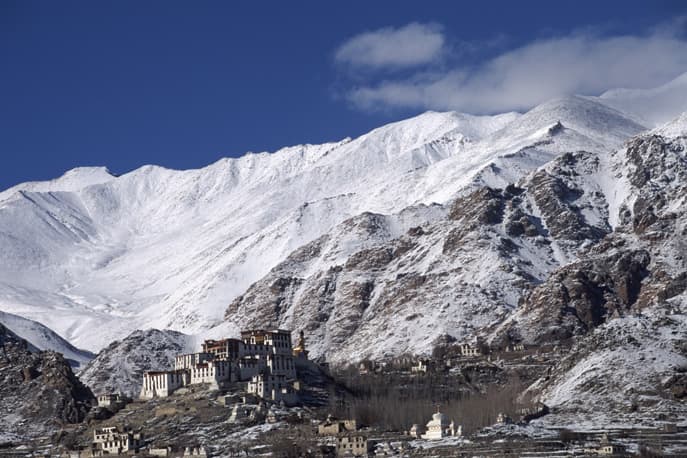
Likir Monastery, also known as Likir Gompa, is a significant Buddhist monastery located in Ladakh, India. Established in 1065, it is a prominent center for the Gelugpa sect of Tibetan Buddhism and serves as the seat for the Ngari Rinpoche.

Stongdey Monastery
Stongdey Monastery, also known by variations such as Stongde and Tonday, is a prominent Buddhist monastery situated in Zanskar, Ladakh, in northern India. Founded in 1052 by Lama Marpa Lotsawa, a disciple of Naropa, it later became affiliated with the Gelugpa school and is dedicated to Je Tsongkhapa. The monastery is the second-largest monastic institution in Zanskar.