
Kublai Khan
China·Yuan Dynasty·Male·13th century
Kublai Khan was the founder and first emperor of the Mongol-led Yuan dynasty of China, reigning from 1271 until his death in 1294. As a grandson of Genghis Khan, he succeeded his brother Möngke as Khagan of the Mongol Empire, though his direct rule was primarily confined to the Yuan Empire. He is known for establishing the Yuan dynasty, which ruled over much of present-day China and beyond, and for his ambitious, though often unsuccessful, military campaigns against Japan, Vietnam, and Java.
Key Facts
- ›Founded the Yuan dynasty in 1271, marking the first time all of China proper was ruled by a non-Han emperor.
- ›Successfully conquered the Song dynasty by 1279, unifying China under Mongol rule.
- ›Succeeded his brother Möngke as Khagan of the Mongol Empire in 1260, but faced a CIVIL war against his brother Ariq Böke.
- ›Moved his capital to Khanbaliq (modern-day Beijing) and sought to sinicize his image as emperor.
- ›Sponsored science, arts, and infrastructure projects, including the creation of academies and trade ports.
- ›Ordered costly invasions of Japan, Vietnam, Burma, and Java, with varying degrees of success.

Important Relationships
- Sorghaghtani Beki (mother)
- Möngke (brother)
- Ariq Böke (brother)
- Tolui (father)
- Genghis Khan (grandfather)
- Chabi (wife)
- Drogön Chögyal Phagpa (Buddhist advisor)
- Haiyun (Buddhist monk)
- Liu Bingzhong (advisor)
- Zhao Bi (advisor)
- Jia Sidao (Song minister)
- Bayan of the Baarin (general)
- Kaidu (cousin/rival)
Mongol Plateau, Karakorum, Khanbaliq, Xanadu, Yunnan, Northern China
Genghis Khan, Han Chinese Culture
Founder of A Dynasty, Emperor
About Kublai Khan
Kublai Khan, also known by his temple name Emperor Shizu of Yuan and his regnal name Setsen Khan, was the founder and first emperor of the Mongol-led Yuan dynasty of China. Born on September 23, 1215, he reigned until his death on February 18, 1294. As a grandson of Genghis Khan and the second son of Tolui, Kublai ascended to the position of Khagan of the Mongol Empire in 1260 after a civil war against his brother Ariq Böke, though his direct authority largely extended over the Yuan Empire.
Life and Historical Context
Kublai Khan's early life was shaped by his upbringing within the Mongol elite and his exposure to Han Chinese culture. He was tutored by Buddhist monks and scholars, including Haiyun and Liu Bingzhong, who significantly influenced his intellectual development and administrative approach. Following his brother Möngke's death in 1259, Kublai asserted his claim to the Khaganate, leading to a protracted civil war that ultimately weakened the unity of the Mongol Empire but solidified his control over China.
Major Contributions and Reign
In 1271, Kublai Khan proclaimed the dynastic name "Great Yuan," formally establishing the Yuan dynasty and claiming orthodox succession from previous Chinese dynasties. By 1279, he achieved the complete conquest of the Song dynasty, making him the first non-Han emperor to rule all of China proper. He moved his capital to Khanbaliq (modern-day Beijing) and implemented policies aimed at consolidating his rule, including sinicization efforts to govern the large Han Chinese population. Kublai Khan also sponsored significant infrastructure projects, established academies, and promoted trade, yet his reign was also marked by ambitious and costly military campaigns, including failed invasions of Japan and unsuccessful attempts to conquer Vietnam and Java.
Important Relationships and Influences
Kublai Khan's life was influenced by his family, including his mother Sorghaghtani Beki and his brothers Möngke and Ariq Böke. His interactions with Buddhist figures like Drogön Chögyal Phagpa were also consequential. His administration relied on a diverse group of advisors and officials, including Han Chinese scholars and administrators, though he also experienced periods of distrust towards them. His reign saw complex diplomatic and military engagements with other Mongol khanates, such as the Ilkhanate and the Golden Horde, as well as with neighboring states like the Song dynasty.
Source: Wikipedia ↗
Frequently Asked Questions
Who was Kublai Khan?
Kublai Khan was the founder and first emperor of the Yuan dynasty of China. He was a grandson of Genghis Khan and reigned from 1271 until his death in 1294.
What was the Yuan dynasty?
The Yuan dynasty was a Mongol-led dynasty that ruled over China and surrounding territories from 1271 to 1368. Kublai Khan established it and served as its first emperor.
What were Kublai Khan's major achievements?
Kublai Khan's most significant achievement was establishing and ruling the Yuan dynasty, unifying China. He also fostered cultural exchange, sponsored arts and sciences, and developed infrastructure.
Did Kublai Khan conquer Japan?
Kublai Khan launched two major invasions of Japan in 1274 and 1281, but both ultimately failed. These military campaigns were costly and did not result in Mongol conquest.
What was Kublai Khan's relationship with Buddhism?
Kublai Khan showed a strong attraction to Han culture, including Buddhism. He invited Buddhist monks and advisors, such as Haiyun and Drogön Chögyal Phagpa, and favored Buddhism over Taoism in his territory.
Related Buddhists
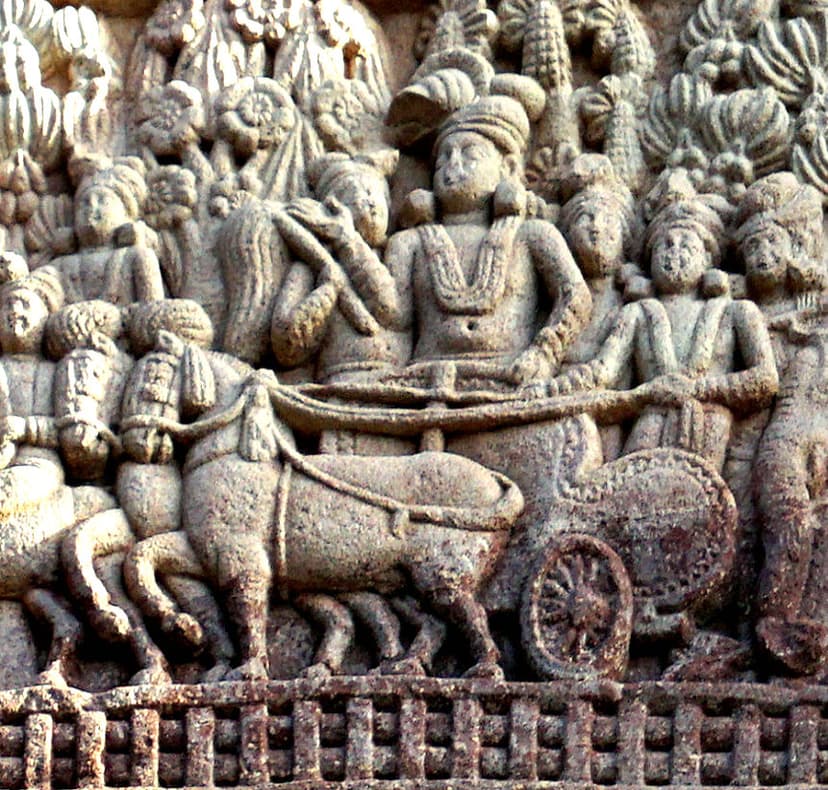
Ashoka
Ashoka the Great was a powerful Emperor of Magadha from the Mauryan dynasty who reigned in the 3rd century BCE. He is renowned for his pivotal role in the spread of Buddhism across Asia after a brutal war of conquest led him to embrace the principles of dhamma, or righteous conduct. His reign saw the establishment of numerous stupas, patronage of the Third Buddhist Council, and support for Buddhist missionaries, solidifying his legacy as a significant figure in Buddhist history and a symbol of modern India.
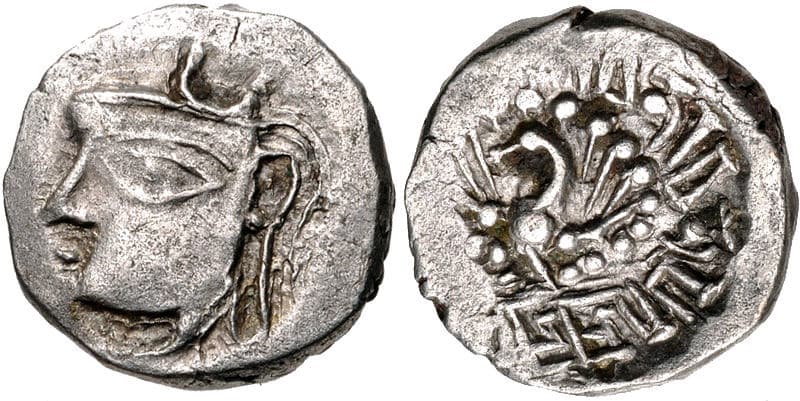
Harsha
Harshavardhana, also known as Harsha, was an emperor who ruled from Kannauj starting in 606 CE until his death in 647 CE. He is recognized as one of the most significant kings of northern India, expanding his empire to encompass much of the region. His court was a center of learning and culture, attracting scholars and religious figures from across Asia, and he is remembered for his justice and generosity.
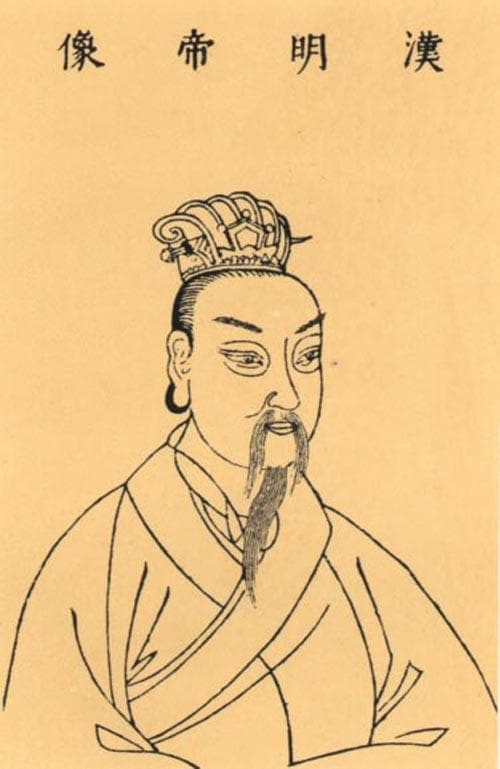
Emperor Ming of Han
Emperor Ming of Han, born Liu Yang, was the second emperor of the Eastern Han dynasty, reigning from 57 to 75 AD. He is historically significant for initiating the spread of Buddhism into China during his rule. A diligent and competent administrator, Emperor Ming also extended Chinese influence into the Tarim Basin and is remembered for the prosperous "Rule of Ming and Zhang."