
Harsha
India·Eclectic (Shaivite, Buddhist patronage)·Male·7th century
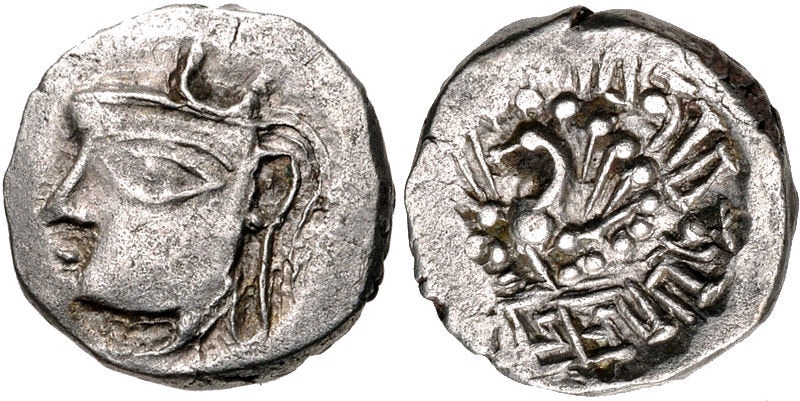
Harshavardhana, also known as Harsha, was an emperor who ruled from Kannauj starting in 606 CE until his death in 647 CE. He is recognized as one of the most significant kings of northern India, expanding his empire to encompass much of the region. His court was a center of learning and culture, attracting scholars and religious figures from across Asia, and he is remembered for his justice and generosity.
Key Facts
- ›Ruled as emperor of Kannauj from 606 CE to 647 CE.
- ›Expanded his kingdom to control much of northern and northwestern India.
- ›Moved his imperial capital to Kanyakubja (present-day Kannauj).
- ›Was defeated by Emperor Pulakeshin II of the Chalukya dynasty, establishing the Narmada River as a border.
- ›His court attracted scholars, artists, and religious visitors, including the Chinese traveler Xuanzang.
- ›Is believed to have authored three Sanskrit plays: Ratnavali, Nagananda, and Priyadarsika.
Important Relationships
- Rajyavardhana (brother)
- Rajyashri (sister)
- Prabhakarvardhana (father)
- Grahavarman (brother-in-law)
- Devagupta of Malwa (antagonist)
- Shashanka of Gauda (antagonist)
- Pulakeshin II (rival emperor)
- Xuanzang (visitor)
- Banabhatta (court poet)
Ratnavali, Nagananda, Priyadarsika
Kannauj, Thanesar, Magadha, Malwa, Gauda
Sanskrit
About Harsha
Harshavardhana
Harshavardhana, often referred to as Harsha, was a prominent emperor who reigned over a vast empire in northern India from his capital in Kannauj. His rule, which lasted from April 606 CE until his death in 647 CE, is considered a significant period of consolidation and cultural flourishing in early medieval India.
Life and Historical Context
Harsha was born in 590 CE, the second son of Prabhakarvardhana, the king of Thanesar and founder of the Vardhana dynasty. Following the decline of the Gupta Empire, northern India was fragmented, and Harsha's father and elder brother, Rajyavardhana, worked to expand their influence. Harsha ascended the throne at the young age of 16 under challenging circumstances, following the assassination of his brother and the capture of his sister, Rajyashri. His initial reign was marked by efforts to restore his family's honor and consolidate his power.
Reign and Empire
Harsha proved to be a capable ruler and military strategist, uniting numerous small kingdoms and republics across northern India. By the height of his power, his realm extended from the Punjab to central India, with the Narmada River forming its southern boundary. He established Kanyakubja (present-day Kannauj) as his imperial capital, transforming it into a vibrant center of administration and culture. The peace and prosperity under his rule attracted scholars, artists, and religious pilgrims from across Asia. However, his ambition to expand further south was checked by Emperor Pulakeshin II of the Chalukya dynasty, leading to a decisive battle on the Narmada River which established the river as a border between their empires.
Religion and Patronage
Harsha's religious life was complex. While his lineage had traditions of sun worship, and his court poet Banabhatta described him as a devoted Shaivite, the Chinese Buddhist traveler Xuanzang portrayed him as a devout Buddhist. Xuanzang's accounts detail Harsha's patronage of Buddhism, including bans on animal slaughter, the construction of numerous monasteries and stupas, and the organization of large religious assemblies and charitable distributions. Some historians suggest that Harsha was personally a Shaivite but extended significant patronage to Buddhism, which might have led Xuanzang to interpret him as a Buddhist ruler.
Literary Contributions
Beyond his political and administrative achievements, Harsha is also recognized for his literary prowess. He is widely believed to be the author of three well-known Sanskrit plays: Ratnavali, Nagananda, and Priyadarsika. These works are celebrated for their dramatic content and poetic quality, further cementing his legacy as a patron of arts and literature.
Source: Wikipedia ↗
Frequently Asked Questions
When did Harsha rule?
Harshavardhana reigned as emperor of Kannauj from April 606 CE until his death in 647 CE. This period marks a significant era in the history of northern India.
What was Harsha's empire like?
At its peak, Harsha's empire covered a vast territory in northern and northwestern India, with the Narmada River serving as its southern boundary. He established Kanyakubja (Kannauj) as his imperial capital.
Who was Xuanzang and what did he say about Harsha?
Xuanzang was a Chinese traveler who visited Harsha's imperial court. He wrote a very favorable account of Harsha, praising his justice and generosity and describing him as a devout Buddhist who banned animal slaughter and built monasteries and hospices.
What is Harsha known for in terms of literature?
Harsha is widely credited with authoring three Sanskrit plays: Ratnavali, Nagananda, and Priyadarsika. While some scholars suggest they may have been commissioned, many believe Harsha wrote them himself.
Did Harsha conquer all of India?
While Harsha was a powerful emperor who united many small kingdoms in northern India, he did not rule the entire subcontinent. He was famously defeated by Pulakeshin II of the Chalukya dynasty when attempting to expand southwards, leading to a treaty that set the Narmada River as their border.
What was Harsha's religious affiliation?
Harsha's religious views were eclectic. His seals indicate his ancestors worshipped the sun god Surya, his elder brother was Buddhist, and he himself was described as a Shaivite and Parama-maheshvara (supreme devotee of Shiva). However, the Chinese traveler Xuanzang portrayed him as a devout Buddhist, leading to scholarly debate about his personal faith versus his patronage.
Related Buddhists
Ashoka
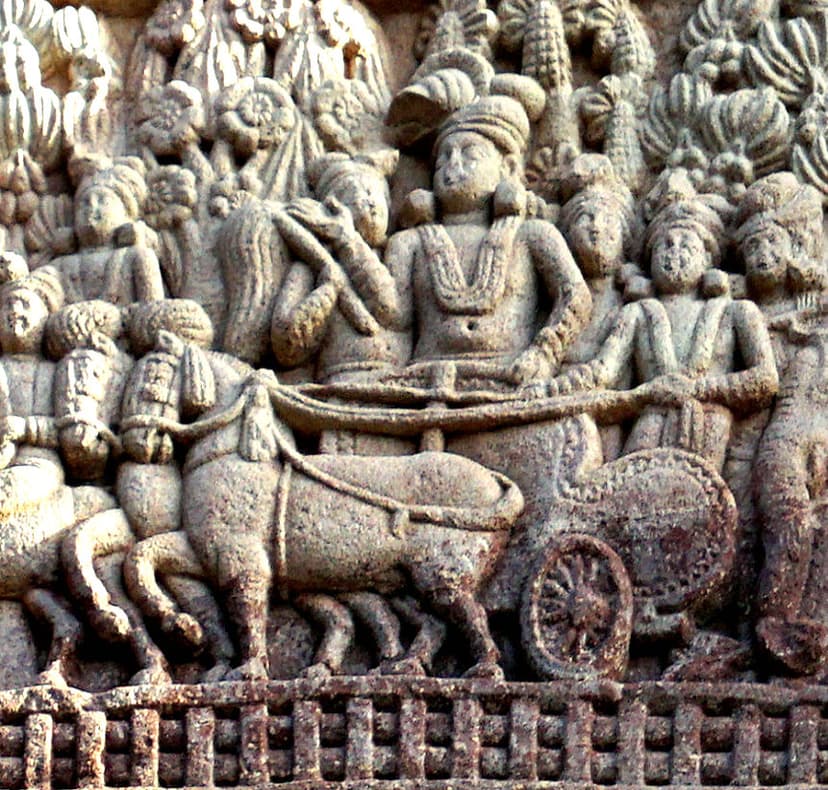
Ashoka the Great was a powerful Emperor of Magadha from the Mauryan dynasty who reigned in the 3rd century BCE. He is renowned for his pivotal role in the spread of Buddhism across Asia after a brutal war of conquest led him to embrace the principles of dhamma, or righteous conduct. His reign saw the establishment of numerous stupas, patronage of the Third Buddhist Council, and support for Buddhist missionaries, solidifying his legacy as a significant figure in Buddhist history and a symbol of modern India.

Bimbisāra
Bimbisara was a significant king of the Haryanka dynasty in Magadha, reigning from the mid-6th to mid-5th centuries BCE. He is known for his territorial expansion, particularly the annexation of Anga, which laid groundwork for future empires, and for his patronage of Buddhism and Jainism. In Buddhist tradition, he was a devoted follower and friend of the Buddha, while Jain histories refer to him as Shrenika and associate him with Mahavira.
Kanishka the Great
Kanishka the Great was a powerful emperor of the Kushan dynasty who reigned from approximately 127 to 150 CE. His reign marked the zenith of the Kushan Empire, which stretched from Central Asia to the Gangetic plain. Kanishka is renowned for his military prowess, administrative reforms, and significant patronage of Buddhism, which played a crucial role in the transmission of Mahayana Buddhism to China.