
Emperor Ming of Han
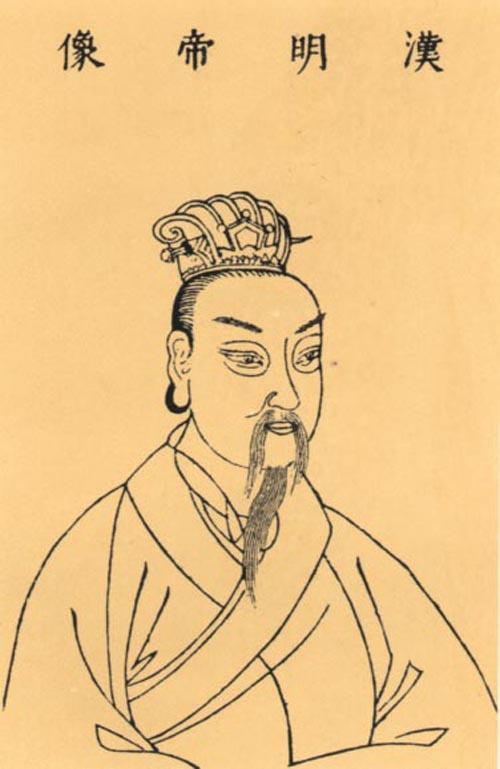
Emperor Ming of Han, born Liu Yang, was the second emperor of the Eastern Han dynasty, reigning from 57 to 75 AD. He is historically significant for initiating the spread of Buddhism into China during his rule. A diligent and competent administrator, Emperor Ming also extended Chinese influence into the Tarim Basin and is remembered for the prosperous "Rule of Ming and Zhang."
Key Facts
- ›He was the second emperor of the Eastern Han dynasty, reigning from 57 to 75 AD.
- ›Buddhism began to spread into China during his reign.
- ›He was known as a hard-working and competent administrator who demanded integrity from officials.
- ›Emperor Ming extended Chinese control over the Tarim Basin through military campaigns.
- ›His reign, along with his son's, is considered the golden age of the Eastern Han Empire, known as the Rule of Ming and Zhang.
- ›He established a Confucian school at the capital Luoyang.
Important Relationships
- Emperor Guangwu (father)
- Empress Dowager Yin (mother)
- Empress Ma (wife)
- Emperor Zhang (son)
- Ban Chao (general)
Luoyang, Tarim Basin, Xiyu
Emperor Guangwu, Confucianism
Classical Chinese
About Emperor Ming of Han
Emperor Ming of Han (born Liu Yang, later known as Liu Zhuang and Han Mingdi; 28–75 AD) was the second emperor of the Eastern Han dynasty. His reign, from 57 to 75 AD, is historically significant as it marked the official introduction and early spread of Buddhism into China.
Life and Historical Context
Born Liu Yang in 28 AD, he was the son of Emperor Guangwu and Consort Yin Lihua. He was made Duke of Donghai in 39 AD and later became crown prince, changing his name to Zhuang. He succeeded his father to the throne in 57 AD as Emperor Ming. His administration was characterized by diligence, competence, and a demand for integrity among his officials. He was also known for his fair treatment of his brothers and for instituting Confucian rituals to show humility.
Major Contributions and Policies
Emperor Ming's most enduring legacy is his role in facilitating the arrival of Buddhism in China. He also significantly expanded Chinese influence in the Tarim Basin, pushing back against the Xiongnu through the military successes of his general Ban Chao. To secure the northern borders and ally with the Southern Xiongnu, he established the Duliao Army and built a Confucian school in Luoyang for the education of children of high officials. The period of his reign and that of his son, Emperor Zhang, is often referred to as the "Rule of Ming and Zhang," considered a golden age for the Eastern Han Empire.
Later Reign and Challenges
While initially generous to his brothers, Emperor Ming's later reign saw severe punishments meted out due to accusations of treason and occult practices involving several princes. These incidents, particularly concerning Prince Ying of Chu and Prince Yan of Huaiyang, led to mass executions and widespread torture during investigations, though Empress Ma's intercession helped to curtail the interrogations.
Death and Succession
Emperor Ming died in 75 AD. In his will, he requested not to have a separate temple built for him, but to be worshipped alongside his mother, Empress Dowager Yin. This practice became a tradition for subsequent Eastern Han emperors. He was succeeded by his son, Crown Prince Da, who became Emperor Zhang.
Source: Wikipedia ↗
Frequently Asked Questions
When did Emperor Ming of Han live and reign?
Emperor Ming of Han was born on June 15, 28 AD, and died on September 5, 75 AD. He reigned as emperor from 57 AD until his death in 75 AD.
What is Emperor Ming of Han most known for in Chinese history?
Emperor Ming of Han is most notably recognized for being the emperor under whom Buddhism first began to spread into China. He is also credited with extending Chinese control over the Tarim Basin and for his capable administration.
Who were Emperor Ming's parents?
Emperor Ming of Han was the son of Emperor Guangwu, the founder of the Eastern Han dynasty, and his first love, Consort Yin Lihua. His birth was a significant event, even though his mother declined the title of empress initially.
What was the 'Rule of Ming and Zhang'?
The 'Rule of Ming and Zhang' refers to the combined reigns of Emperor Ming and his son, Emperor Zhang. This period is typically considered the golden age of the Eastern Han Empire, characterized by stability and prosperity.
What military achievements are attributed to Emperor Ming?
Emperor Ming commissioned expeditions that extended Chinese control over the Tarim Basin and eradicated Xiongnu influence there. His general Ban Chao played a crucial role in reasserting Han suzerainty over the Xiyu kingdoms.
Related Buddhists
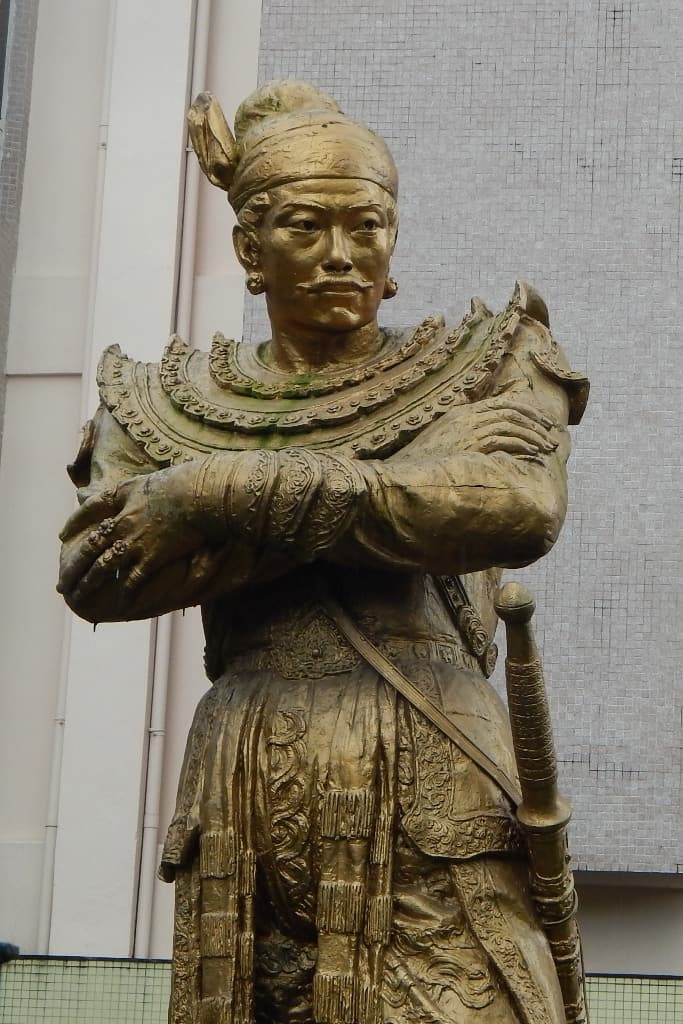
Bayinnaung Kyawhtin Nawrahta
Bayinnaung Kyawhtin Nawrahta was the King of Burma from 1550 to 1581, during which he assembled the largest empire in Southeast Asian history. His reign is celebrated for its significant human energy and administrative reforms, particularly in integrating the Shan States into the Burmese administrative system. Though his empire eventually collapsed after his death, Bayinnaung is remembered as one of the three greatest Burmese monarchs and a significant figure in Thai historical consciousness.
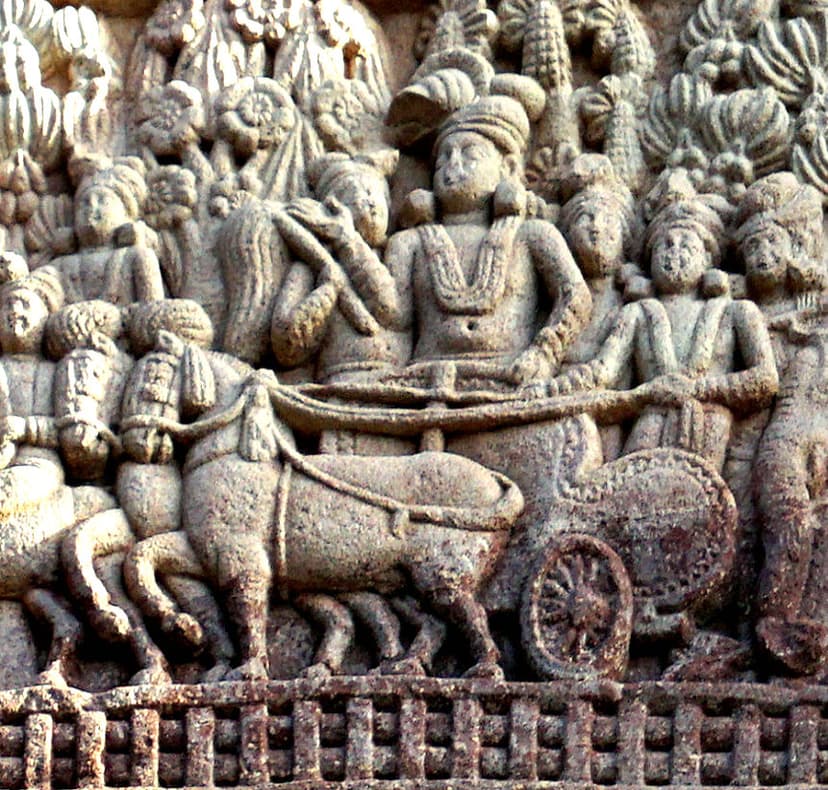
Ashoka
Ashoka the Great was a powerful Emperor of Magadha from the Mauryan dynasty who reigned in the 3rd century BCE. He is renowned for his pivotal role in the spread of Buddhism across Asia after a brutal war of conquest led him to embrace the principles of dhamma, or righteous conduct. His reign saw the establishment of numerous stupas, patronage of the Third Buddhist Council, and support for Buddhist missionaries, solidifying his legacy as a significant figure in Buddhist history and a symbol of modern India.
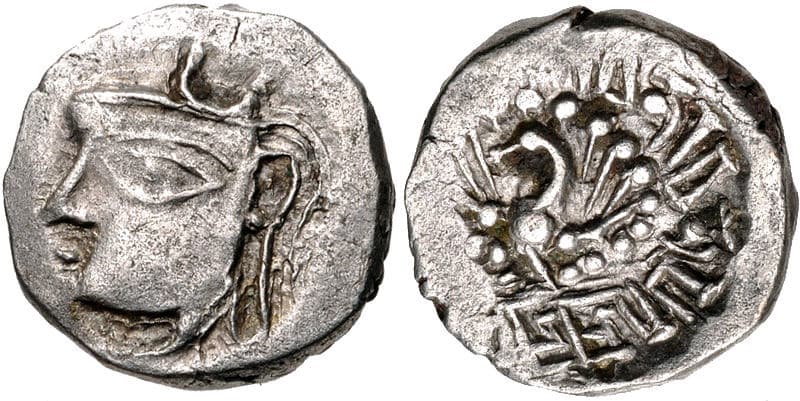
Harsha
Harshavardhana, also known as Harsha, was an emperor who ruled from Kannauj starting in 606 CE until his death in 647 CE. He is recognized as one of the most significant kings of northern India, expanding his empire to encompass much of the region. His court was a center of learning and culture, attracting scholars and religious figures from across Asia, and he is remembered for his justice and generosity.