
Rameshwar Deula
The Rameshwar temple, also known as the Mausi Maa temple, is a very old Hindu temple located in Bhubaneswar, Odisha, India, approximately 2 km from the Lingaraj shrine. Legend states that Lord Rama built a Shiva Linga here at the request of Goddess Sita upon their return from Lanka. The temple is historically significant, dating back to the 9th century, and plays a role in the annual Ashokashtami festival.
Key Facts
- ›Located in Bhubaneswar, Odisha, India.
- ›Historically dates back to the 9th century.
- ›Also referred to as the Mausi Maa temple.
- ›Associated with the legend of Lord Rama and Goddess Sita.
- ›Plays a key role in the Ashokashtami festival, receiving Lord Lingaraja.
- ›Situated approximately 2 km from the Lingaraj shrine.

Shiva
Historical Importance, Religious Pilgrimage, Associated With the Legend of Rama and Sita, Key Site For the Ashokashtami Festival
Ashokashtami
Lord Rama
About Rameshwar Deula
The Rameshwar Deula, also widely known as the Mausi Maa temple, is a significant and ancient Hindu temple situated in Bhubaneswar, the capital city of Odisha, India. It holds historical importance, with architectural and traditional evidence suggesting its origins date back to the 9th century. The temple is located approximately 2 kilometers away from the prominent Lingaraj Temple, making it a notable landmark within the city's religious landscape.
Legend and Religious Significance
A prominent legend associated with the Rameshwar Deula recounts that upon their return from Lanka after Lord Rama's victory over Ravana, Goddess Sita expressed a desire to worship Lord Shiva. In response to her wish, Lord Rama is said to have constructed a Shiva Linga at this very site, establishing its sacred connection to the epic Ramayana. This legend contributes to the temple's deep religious and cultural resonance.
Ashokashtami Festival
The Rameshwar Deula plays a crucial role in the annual Ashokashtami festival, a significant event in Bhubaneswar. Traditionally, on the day before Rama Navami in the month of Chaitra, the deity Lord Lingaraja embarks on a journey to the Rameshwar Deula. He arrives in a grand chariot known as the Rukuna Rath and remains at the Mausi Maa temple for a period of four days. This ritual highlights the temple's importance as a destination for divine visitation and public devotion during this auspicious time.
Source: Wikipedia ↗
Frequently Asked Questions
What is the significance of the Rameshwar Deula?
The Rameshwar Deula is considered a very old temple in Bhubaneswar, historically dating back to the 9th century. It is also known as the Mausi Maa temple and is traditionally linked to Lord Rama and Goddess Sita.
What is the legend associated with the Rameshwar Deula?
According to legend, when Lord Rama was returning from Lanka after defeating Ravana, Goddess Sita asked him to worship Shiva here. In response, Ramachandra built a Linga for this purpose.
How is the Rameshwar Deula connected to the Ashokashtami festival?
During the Ashokashtami festival, which falls one day before Rama Navami in Chaitra, Lord Lingaraja is said to come to this temple by a large chariot called the Rukuna Rath. He stays at the Rameshwar Deula for four days.
Where is the Rameshwar Deula located?
The Rameshwar Deula is located in Bhubaneswar, Odisha, India. It is situated about 2 km away from the Lingaraj shrine.
Related Temples (Hindu)

Tanot Mata Temple
The Tanot Mata Temple is a significant Hindu shrine located in the Jaisalmer district of Rajasthan, India, near the Pakistan border. Revered as a form of Goddess Hinglaj Mata, the temple is famously associated with the Indian victories in the Indo-Pakistani Wars of 1965 and 1971, with local folklore attributing the successful outcomes to divine intervention. The Border Security Force of India now manages the temple complex, which also includes a victory tower and a war museum.

Kumararama
The Kumararama Temple, also known as Bhimarama or Chalukya Kumararama Bhimeswara Temple, is a significant Hindu temple dedicated to Lord Shiva, located in Samalkota, Andhra Pradesh. It is one of the five Pancharama Kshetras and is renowned for its unique limestone Shiva Lingam, which is 16 feet tall and pierces through the roof to the second floor.
Triloknath Temple
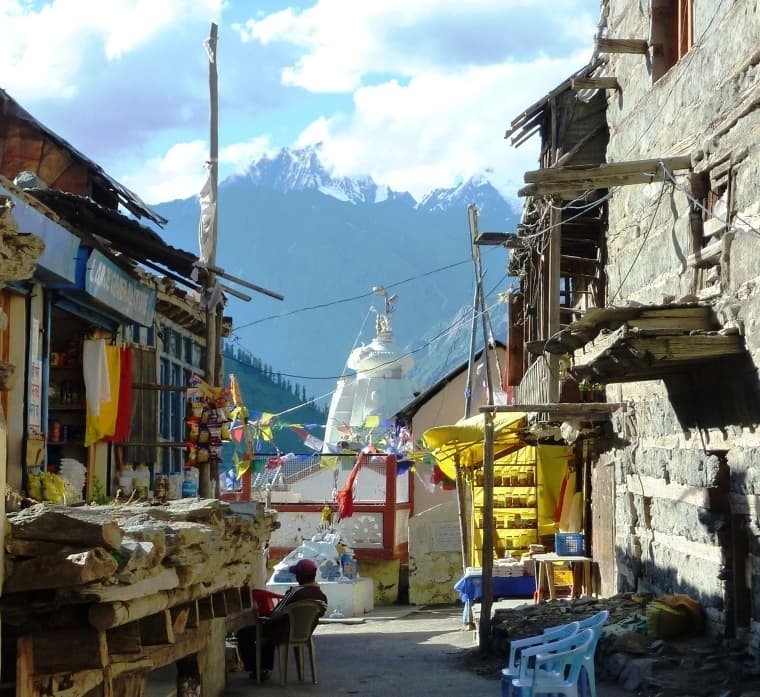
The Triloknath Temple, located in Himachal Pradesh, India, is a significant religious site revered by both Tibetan Buddhists and Hindus. Originally believed to be a Buddhist vihara, it now houses a marble statue of Avalokiteshvara, worshipped as Shiva by Hindus and as Avalokiteshvara by Buddhists. The temple's architecture and history suggest a blend of influences, with its columns dating to the 9th century CE.