
Pashupatinath Temple, Mandsaur
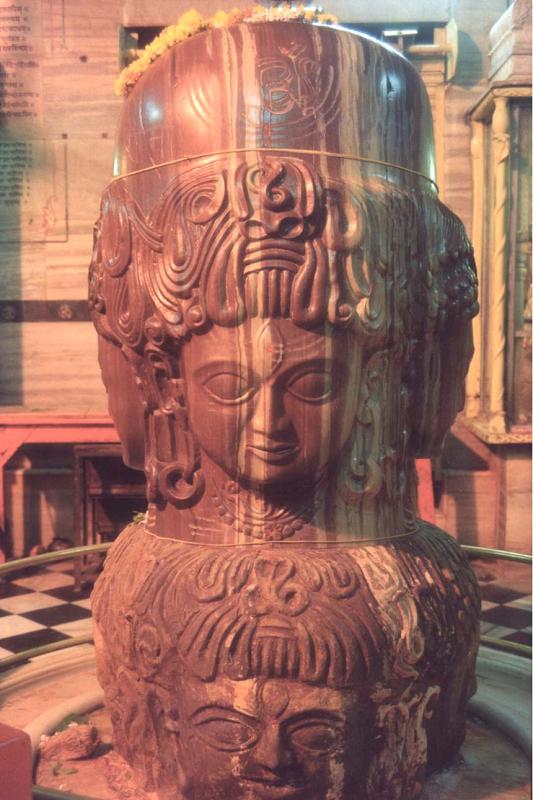
The Pashupatinath Temple in Mandsaur, Madhya Pradesh, India, is a significant Hindu temple dedicated to Lord Shiva, belonging to the Pashupatinath tradition within Shaivism. It is renowned for its rare eight-faced Shiva Linga, with the temple's sculpture dated to the 5th or 6th century CE, reflecting the artistic and cultural vibrancy of the Gupta Empire era.
Key Facts
- ›The temple is dedicated to Lord Shiva and is part of the Pashupatinath tradition within Shaivism.
- ›It is famous for its rare eight-faced Shiva Linga, dating to the early 6th century CE.
- ›The temple's sculpture and inscriptions suggest it was an important cultural and religious center during the Gupta Empire era.
- ›The site has a history traceable to the 2nd-century CE as a Hindu pilgrimage site.
- ›Inscriptions found in the area mention various Hindu deities and kings of the Gupta Empire.
- ›The temple complex reflects the "Western schools" of ancient and early medieval Indian art.
Shiva
- Important For Dating and Architectural Studies of Distant Sites Like Elephanta Caves
- Reflects the 'Western Schools' of Ancient and Early Medieval Indian Art
- Provides Insights Into the Cultural and Religious Life During the Gupta Empire Era
- Known For Its Rare Eight-Faced Shiva Linga
Gupta Empire
Brick, Stone
Silk Weavers of Dashapura
Eight-Faced Shiva Linga
Shivna River
About Pashupatinath Temple, Mandsaur
The Pashupatinath Temple located in Mandsaur, Madhya Pradesh, India, is a significant Hindu temple dedicated to Lord Shiva. It is a prominent example of the Pashupatinath tradition, one of the major branches of Shaivism. Situated on the banks of the Shivna River, the temple is particularly renowned for its rare eight-faced Shiva Linga, an iconographic masterpiece.
Historical Context and Artistic Significance
The temple's sculptural elements are dated to the 5th or 6th century CE, a period that saw the flourishing of the Gupta Empire. Inscriptions found in the Mandsaur region, some dating between 404 and 487 CE, refer to the site as Dashapura and highlight its importance as a cultural and religious center. These Sanskrit poems invoke Hindu deities like Vasudeva and Shiva and mention rulers of the Gupta era. The art and architecture of Mandsaur, along with findings from nearby sites, are categorized by scholars like Stella Kramrisch and James Harle into one of the "Western schools" of ancient and early medieval Indian art. The Mandsaur inscriptions are particularly noted for their literary and historical value, offering a glimpse into Gupta-era life.
Construction and Iconography
While inscriptions mention various temples in Dashapura, including those dedicated to Surya and Vishnu, the Pashupatinath Temple itself is not explicitly named in them. However, excavations have uncovered brick temples of Shiva dating to the 6th century, indicating Shiva's prominence. The eight-faced Shiva Linga, discovered in the Shivana riverbed, is a rare and striking sculpture, standing 4.5 meters tall. It is reconsecrated within the reconstructed temple. The linga features four faces in the upper row and four below, with open eyes and the third eye visible on the forehead, adorned with jewelry. Each face represents a different aspect of Shiva: Bhava, Pashupati, Mahadeva, Isana, Rudra, Sharva, Ugra, and Asani. This icon is sometimes referred to as Ashtamukha or Ashtamurti and is likely from the early 6th century.
Legacy and Preservation
Historically, the Mandsaur site has been a Hindu pilgrimage destination since at least the 2nd century CE. The region's temples, including those in Mandsaur, were unfortunately demolished in the late medieval era after the region's conquest, with their stones and relief panels repurposed for building a Muslim fort. Despite this, the surviving sculptures and inscriptions from Mandsaur have been crucial for dating and understanding the architectural styles of other significant sites, such as the Elephanta Caves.
Source: Wikipedia ↗
Frequently Asked Questions
What is the significance of the eight-faced Shiva Linga at Pashupatinath Temple, Mandsaur?
The eight-faced Shiva Linga is a rare iconographic representation, likely from the early 6th century CE. The eight faces are believed to represent various aspects of Shiva in regional Shaivism theology, including Bhava, Pashupati, Mahadeva, Isana, Rudra, Sharva, Ugra, and Asani.
When was the Pashupatinath Temple at Mandsaur likely constructed?
Based on inscriptions found in the area, the temple's sculpture is dated to the 5th or 6th century CE. Excavations have also yielded brick temples of Shiva dated to the 6th century.
What historical period does the art and architecture of the Mandsaur temple reflect?
The art and architecture, particularly the sculptures and inscriptions, reflect the Gupta Empire era. Scholars consider the Mandsaur site and its findings to be representative of the 'Western schools' of ancient and early medieval Indian art.
What is the historical context of the Mandsaur site as a religious center?
The site's history is traceable to the 2nd-century CE, when it was already a Hindu pilgrimage site. Ten inscriptions from the first half of the 1st millennium CE indicate it was a significant cultural and religious hub.
What materials were used in the construction of the early temples at Mandsaur?
While inscriptions mention various temples, excavations have yielded several brick temples of Shiva. It is also noted that stones and relief panels from demolished temples were used to build a Muslim fort later in the medieval era.
Related Temples (Hindu)

Sharda Devi Temple Maihar satna
The Sharda Devi Temple in Maihar, Madhya Pradesh, is a significant Shakti Peeth dedicated to the goddess Sharda. According to legend, it is the site where the necklace of the goddess Sati fell. The temple is situated atop the Trikut hill and is a major pilgrimage destination, particularly during the Navratri festivals.

Harishchandragad
Harishchandragad is an ancient hill fort located in the Ahilyanagar district of India, with a history stretching back to the 6th century. It served as a strategic defensive point and cultural hub, featuring ancient caves, temples, and significant geological formations. The fort is renowned for its historical importance, architectural remnants, and natural beauty.

Meenakshi Amman Temple
The Meenakshi Amman Temple, also known as Meenakshi Sundareswarar Temple, is a historic Hindu temple situated on the southern bank of the Vaigai River in Madurai, Tamil Nadu, India. Dedicated to Goddess Meenakshi (a form of Parvati) and her consort Sundareswarar (Shiva), it is a significant center for Shaivism, Shaktism, and Vaishnavism. The temple complex, spread over 14 acres, features numerous shrines, mandapas, and towering gopurams, making it a prominent landmark and a vital economic and cultural hub.