
Markandeshwar Temple
The Markandeshwar Temple in Puri, Odisha, is an ancient shrine dedicated to Lord Shiva, believed to be the site where sage Markandeya meditated. Situated near the Jagannath Temple, it is associated with the Markandeya tank, which serves both ritualistic and bathing purposes. Both the temple and the tank are thought to date back to the 12th century AD.
Key Facts
- ›Located in Puri, Odisha, India, north of the Jagannath Temple.
- ›Associated with the ancient Markandeya tank, used for rituals and bathing.
- ›The temple and tank are believed to date back to the 12th century AD.
- ›Sage Markandeya is said to have meditated at this site.
- ›The Markandeya tank is enclosed by a stone wall and features bathing ghats.

Shiva
- Site of Sage Markandeya's Meditation
- Historical Pilgrimage Center
- Associated With Rituals Performed At the Markandeya Tank
Laterite Blocks
Sage Markandeya
Markandeya Tank
About Markandeshwar Temple
The Markandeshwar Temple, situated in Puri, Odisha, India, is an ancient shrine with significant religious and historical importance. It is located in the Markandeswar street, adjacent to the Markandeya tank and to the north of the renowned Jagannath Temple.
Historical Context and Legend
This temple is believed to be the sacred site where the sage Markandeya meditated upon Lord Shiva. According to tradition, the sage had an encounter with Lord Vishnu while contemplating a vision of a child on a banyan leaf floating on the sea, who then reassured him.
Architecture and Features
The Markandeshwar Temple and the associated Markandeya tank are both estimated to date back to the 12th century AD. The Markandeya tank is an open water body enclosed by a stone wall constructed from dressed laterite blocks. The tank features bathing ghats on its southern side, serving as a place for both ritualistic observances, such as Pinda Dana and Mundan Kriya, and for general bathing.
Significance as a Pilgrimage Site
By the 12th century, Puri had emerged as a vital pilgrimage center. The presence of the Markandeshwar Temple and its tank contributes to the spiritual landscape of the city, drawing devotees and visitors interested in its ancient heritage and religious narratives.
Source: Wikipedia ↗
Frequently Asked Questions
Where is the Markandeshwar Temple located?
The Markandeshwar Temple is situated in the Markandeswar street in Puri, Odisha, India. It is located to the north of the Jagannath Temple, on the right side of the Markandeswar road.
What is the historical significance of the Markandeshwar Temple?
The temple is ancient and is believed to be the place where sage Markandeya meditated on Lord Shiva. It is thought to date back to the 12th century AD, a period when Puri was becoming an important pilgrimage center.
What is the Markandeya tank, and what is its purpose?
The Markandeya tank is an open structure located next to the temple, enclosed by a stone wall. It is used for both ritualistic purposes, such as Pinda Dana and Mundan Kriya, and for general bathing by the public.
When was the Markandeshwar Temple built?
The Markandeshwar Temple, along with the adjacent Markandeya tank, is believed to have been established in the 12th century AD.
Related Temples (Hindu)
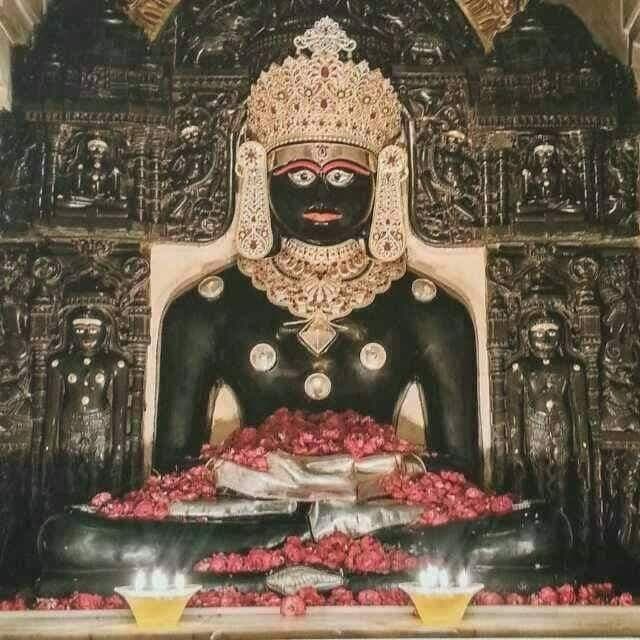
Neminath Jain Temple, Girnar
The Neminath Jain Temple, originally known as Karnavihara, is a significant Jain temple dedicated to the 24th Tirthankara, Neminatha, situated on Girnar hill in Gujarat, India. It is recognized as the foremost among the Girnar Jain temples, with its oldest existing structure dating back to the 12th century and built in the Māru-Gurjara architectural style.

Yogmaya Temple
The Yogmaya Temple, also known as Jogmaya Temple, is a Hindu temple in Mehrauli, New Delhi, dedicated to the goddess Yogmaya, an aspect of Maya and the sister of Krishna. It is considered one of the few surviving temples from the pre-Sultanate period in India and has undergone numerous reconstructions.
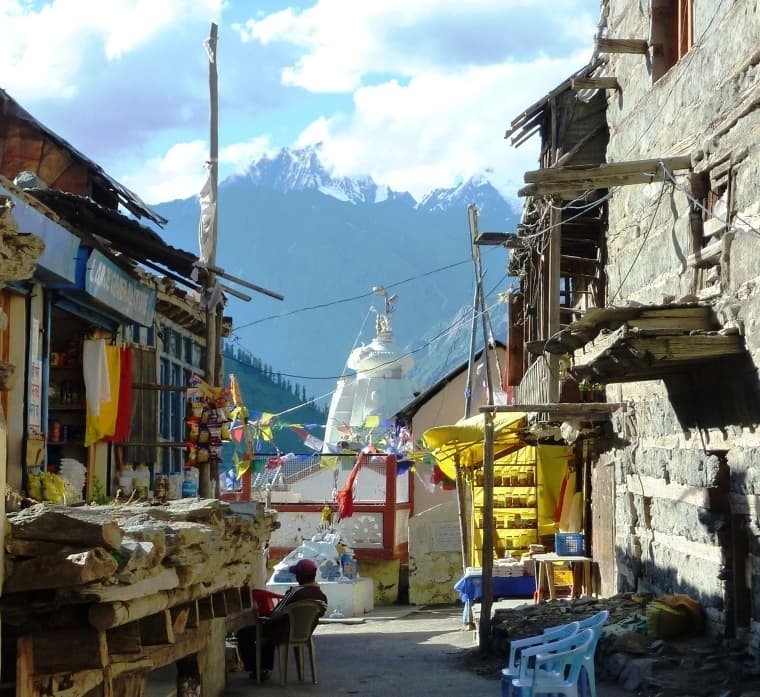
Triloknath Temple
The Triloknath Temple, located in Himachal Pradesh, India, is a significant religious site revered by both Tibetan Buddhists and Hindus. Originally believed to be a Buddhist vihara, it now houses a marble statue of Avalokiteshvara, worshipped as Shiva by Hindus and as Avalokiteshvara by Buddhists. The temple's architecture and history suggest a blend of influences, with its columns dating to the 9th century CE.