
Kakatpur Mangala Temple
Utkaliya Peedha Vimana Style·15th century·India
The Kakatpur Mangala Temple, located in Odisha, India, is a significant 15th-century Hindu Shakta pitha dedicated to Maa Mangala, a manifestation of the goddess Durga. It is renowned for its unique Utkaliya Peedha Vimana architectural style and its deep association with the Jagannath Temple in Puri, playing a crucial role in the Nabakalevara ritual.
Key Facts
- ›Dates back to the 15th century and is a symbol of ancient Shakta pithas of Kalinga.
- ›Dedicated to Maa Mangala, a form of Hindu goddess Durga, also associated with Buddhist goddess Tara.
- ›Features Utkaliya Peedha Vimana architectural style.
- ›The temple is linked to the Jagannath Temple in Puri, providing divine guidance for the Nabakalevara ritual.
- ›Legend states the temple's location evolved from a divine instruction to a boatman following the recovery of the idol from the Prachi River.
- ›The present temple structure was built in 1548 AD by local Zamindar Panchanan Mitra Roychudamoni.
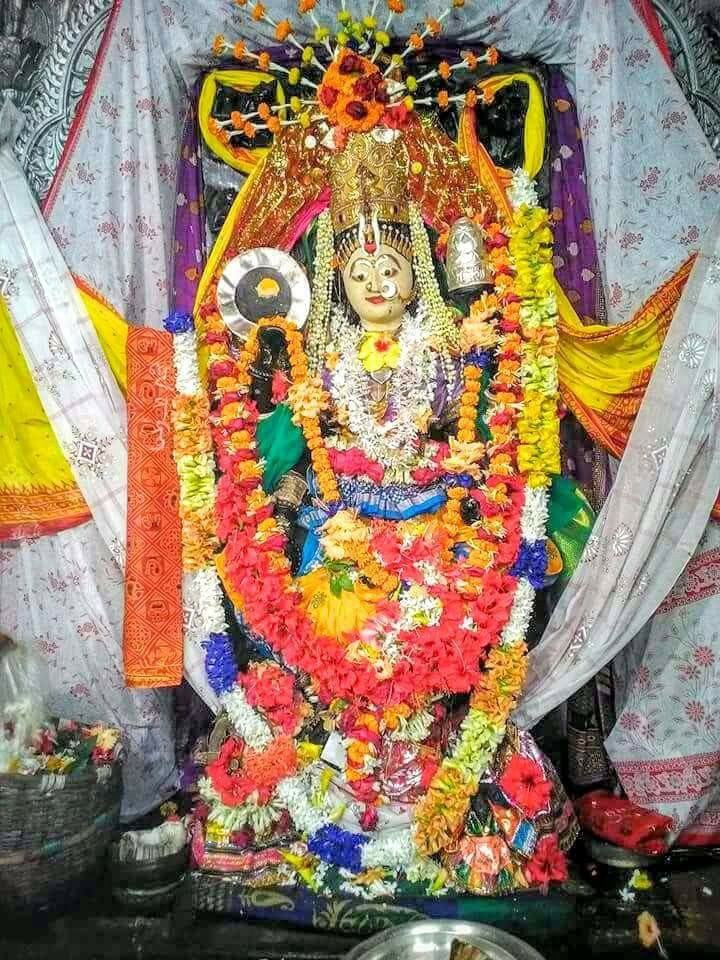
Maa Mangala, Durga, Vanadurga
- Important Shakta Pitha
- Symbol of Ancient Shakta Pithas of Kalinga
- Plays A Crucial Role In the Nabakalevara Ritual of Jagannath Temple, Puri
- Location Believed To Be Divinely Revealed
Stone
Panchanan Mitra Roychudamoni
Carvings of the Deity Mangala In Odia Style
Prachi River
About Kakatpur Mangala Temple
The Kakatpur Mangala Temple is a significant Hindu Shakta pitha located in Kakatpur, Odisha, on the eastern coast of India. Dating back to the 15th century, it stands as a notable example of the ancient Shakta traditions of the Kalinga region.
Deity and Symbolism
The temple is dedicated to Maa Mangala, who is revered as a manifestation of the Hindu goddess Shakti, specifically a form of Durga. Historically, Buddhist monks are said to have symbolized Mangala as the goddess Tara. Maa Mangala embodies qualities such as peace, power, happiness, love, purity, knowledge, and truth.
Architecture and Cult
The temple's architecture is a distinct example of the Utkaliya Peedha Vimana style. The deity Mangala is carved in a typical Odia style, featuring a khilana and prabha behind her resting place. A unique feature within the temple is a bed made of solid stone, which is believed to be where Maa Mangala rests after touring the universe daily; the worn appearance of this bed is cited as evidence of its long-term use.
Legends and History
While precise written documentation on the deity's evolution is scarce, local legends intertwine with the temple's history. One myth suggests that a Sadhaba, involved in ancient maritime trade with islands like Singhala, Java, and Sumatra, brought the goddess to Utkala from Singhala. The goddess was said to have been hidden in the Prachi River, and her location was revealed to a boatman in a dream. The boatman recovered the idol, and a black crow's subsequent dive into the exact spot led to the place being named Kakatpur. The current temple structure was built in 1548 AD by the local Zamindar, Panchanan Mitra Roychudamoni.
Association with Jagannath Temple, Puri
The Kakatpur Mangala Temple holds a crucial role in the religious practices associated with the Jagannath Temple in Puri. Every twelve to nineteen years, during the Nabakalevara rite when the wooden icons of Jagannath, Balabhadra, and Subhadra are replaced, priests from Puri pray to Mangala at Kakatpur. The goddess is believed to appear in their dreams to guide them to the specific Daru Bramha trees required for crafting the new idols.
Accessibility
The temple is accessible by road from major cities and towns in Odisha, including Cuttack, Bhubaneswar, Puri, Jagatsinghpur, and Paradeep. The nearest railway stations and the nearest airport are located in Bhubaneswar.
Source: Wikipedia ↗
Frequently Asked Questions
What is the significance of the Kakatpur Mangala Temple?
The Kakatpur Mangala Temple is a significant Hindu Shakta pitha and a symbol of ancient religious traditions in the Kalinga region. It is particularly important due to its role in the Nabakalevara ritual of the Jagannath Temple in Puri, where priests seek divine guidance from Maa Mangala.
What is the architectural style of the Kakatpur Mangala Temple?
The temple exhibits the Utkaliya Peedha Vimana style of architecture, which is characteristic of temples in Odisha. This style is evident in its construction and design.
What is the legend behind the name Kakatpur Mangala Temple?
Local legend suggests the name originates from a black crow that dived into the river at the spot where the goddess Mangala's idol was recovered by a boatman. 'Kaa-kaw' means crow and 'Aw-taw-kaw' means detained in Odia, leading to the formation of Kakatpur.
How is the Kakatpur Mangala Temple associated with the Jagannath Temple in Puri?
Priests from the Jagannath Temple in Puri consult the goddess Mangala at Kakatpur for divine guidance during the Nabakalevara ceremony. The goddess is believed to appear in their dreams to reveal the location of sacred Daru Bramha trees needed for the ritual.
When was the current structure of the Kakatpur Mangala Temple built?
The present temple structure was constructed in 1548 AD. It was built by the local Zamindar, Panchanan Mitra Roychudamoni, who also made arrangements for the temple's ongoing services.
Related Temples (Hindu)

Yaganti temple
The Sri Yaganti Uma Maheswara Temple, located in Andhra Pradesh, India, is a significant Hindu temple dedicated to Shiva. Constructed in the 15th century by the Vijayanagara Empire's Sangama Dynasty, it is known for its unique architectural features and popular beliefs surrounding a growing Nandi statue and the absence of crows.
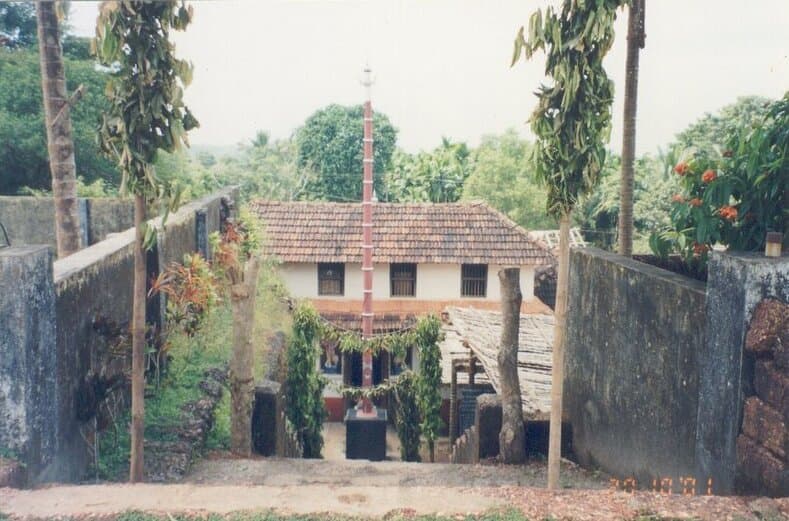
Nellitheertha Cave Temple
The Nellitheertha Cave Temple, located in Nellitheertha, Karnataka, India, is a Hindu temple primarily dedicated to Lord Shiva, also known as Somanatheshwara. The temple's origins can be traced back to at least 1487 CE and features a significant natural cave with a lake and a Shiva Lingam inside.

Maa Tarini Temple
The Maa Tarini Temple is a significant Hindu temple located in Ghatgaon, Odisha, India, dedicated to Maa Tarini, an embodiment of Shakti and a chief presiding goddess in Odia culture. The temple's origins are intertwined with ancient tribal beliefs and mythological accounts, notably relating to the Ramayana and the legends of King Bhanja.