
Maa Tarini Temple
The Maa Tarini Temple is a significant Hindu temple located in Ghatgaon, Odisha, India, dedicated to Maa Tarini, an embodiment of Shakti and a chief presiding goddess in Odia culture. The temple's origins are intertwined with ancient tribal beliefs and mythological accounts, notably relating to the Ramayana and the legends of King Bhanja.
Key Facts
- ›Dedicated to the Hindu goddess Maa Tarini, an embodiment of Shakti.
- ›Maa Tarini is considered the presiding deity for all Shakti and Tantra peeths in Odisha.
- ›The temple's origins are linked to ancient tribal worship of natural formations and later assimilation into mainstream Hinduism.
- ›Mythological accounts suggest the goddess was brought from Puri by King Bhanja of Keonjhar.
- ›The temple is a center for the practice of Tantra, associated with manifestations of Shakti.
- ›Chaiti Yatra and Patua Yatra are prominent festivals celebrated annually in April.

Maa Tarini
- Center For Shakti and Tantra Worship In Odisha
- Historical and Mythological Importance
- Pilgrimage Site
Bhanja Dynasty of Keonjhar
Chaiti Yatra, Patua Yatra, Ashadhi Parba
King Bhanja of Keonjhar
Baitarini River
About Maa Tarini Temple
Maa Tarini Temple, Ghatgaon
The Maa Tarini Temple, situated in Ghatgaon, Odisha, India, is a prominent Hindu sanctuary dedicated to Maa Tarini, a significant manifestation of the goddess Shakti and a principal presiding deity in Odia culture. The temple serves as a focal point for the worship of Maa Tarini, who is revered as the chief deity for all Shakti and Tantra peeths within Odisha. The religious practices associated with Maa Tarini are deeply rooted in the region's history, drawing from ancient tribal beliefs that often venerated natural formations.
Origins and Mythology
The origins of Maa Tarini are intertwined with both ancient tribal traditions and mythological narratives that have been assimilated into mainstream Hinduism. According to one retelling of the Ramayana, the goddess appeared as a stone idol to Lord Rama. Another significant legend details how King Bhanja of Keonjhar was tasked with bringing the goddess from Puri to his kingdom. The myth states that Maa Tarini agreed to follow him on the condition that he not look back. Near the Baitarini River, the king, unable to hear the sound of her ornaments in the forest mud, looked back, causing the goddess to halt and settle at the location where her temple now stands, becoming known as the "queen of the forest."
Historical Context and Worship
While the precise historical sequence of the temple's establishment is a subject of debate among scholars, with events often recorded in devotional poetry that blends history with mythology, its significance is widely acknowledged. Historical accounts suggest that the goddess was introduced to Hindu society and admitted into the Pantheon around 1475 CE, during the reign of King Purushottama Deva of Kalinga. The temple remains an active center for Tantric practices, which are closely associated with the worship of Shakti across the Indian subcontinent.
Festivals and Rituals
The temple is a vibrant hub for religious celebrations, with several important festivals drawing devotees. Chaiti Yatra is the most popular, observed annually between April 9th and 15th, marking the Odia New Year. Patua Yatra is another significant festival celebrated in April. The temple also observes Ashadhi Parba on the last Thursday of the Odia month of Asadha. While historical practices sometimes included sacrifices, contemporary rituals adhere to modern regulations, though the spiritual importance and active worship continue to thrive.
Source: Wikipedia ↗
Frequently Asked Questions
Who is Maa Tarini?
Maa Tarini is an embodiment of Shakti and a chief presiding goddess in Odia culture. She is considered the presiding deity for all Shakti and Tantra peeths in Odisha. Her worship is rooted in ancient tribal beliefs, often involving the veneration of natural formations.
What are the mythological origins of Maa Tarini?
One retelling of the Ramayana suggests that after Sita's abduction, Rama worshipped a goddess who appeared as a stone idol after he looked at her. Another legend involves King Bhanja of Keonjhar bringing the idol from Puri, with the goddess halting at Ghatgaon when he looked back.
When was the Maa Tarini Temple founded?
The exact sequence of events for the temple's installation is debated among historians, with accounts recorded in devotional works. It is generally understood that the goddess was admitted into the Hindu Pantheon around 1475 CE during the reign of King Purushottama Deva of Kalinga.
What is the significance of the red color in Maa Tarini's depiction?
The red color in Maa Tarini's depiction is believed to be symbolic of the simplicity of tribal beliefs. It is attributed to dyes made from iron ores or ocher, which are abundant in the state and were likely used by tribes for decorating sacred figures.
What festivals are celebrated at the Maa Tarini Temple?
The most popular festival is Chaiti Yatra, celebrated annually between April 9th and 15th, coinciding with Odia New Year. Patua Yatra is another significant festival also held in April. Ashadhi Parba is celebrated on the last Thursday of the Odia month of Asadha.
Are sacrifices still offered at the Maa Tarini Temple?
Historically, sacrifices, including animal sacrifices, have been associated with the worship of Shakti deities. While human and animal sacrifices are banned, sporadic incidents have occurred. While buffalo sacrifices are banned, goats may still be sacrificed in some remote temples.
Related Temples (Hindu)

Yaganti temple
The Sri Yaganti Uma Maheswara Temple, located in Andhra Pradesh, India, is a significant Hindu temple dedicated to Shiva. Constructed in the 15th century by the Vijayanagara Empire's Sangama Dynasty, it is known for its unique architectural features and popular beliefs surrounding a growing Nandi statue and the absence of crows.
Nellitheertha Cave Temple
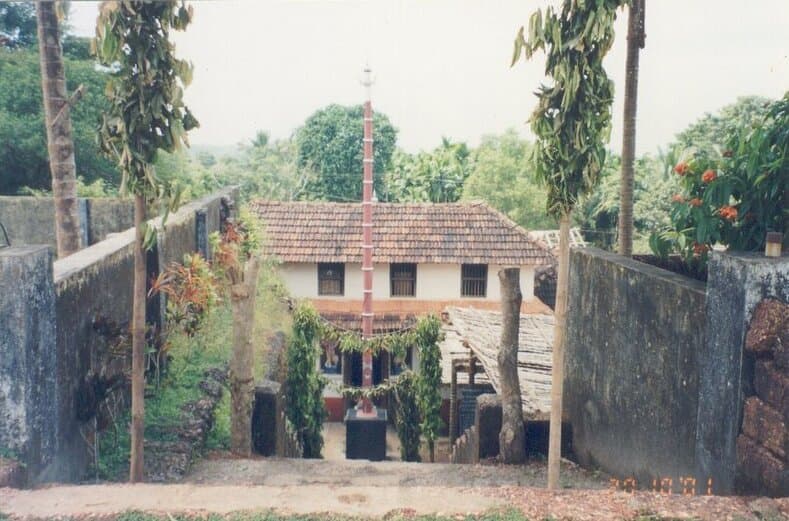
The Nellitheertha Cave Temple, located in Nellitheertha, Karnataka, India, is a Hindu temple primarily dedicated to Lord Shiva, also known as Somanatheshwara. The temple's origins can be traced back to at least 1487 CE and features a significant natural cave with a lake and a Shiva Lingam inside.
Kakatpur Mangala Temple
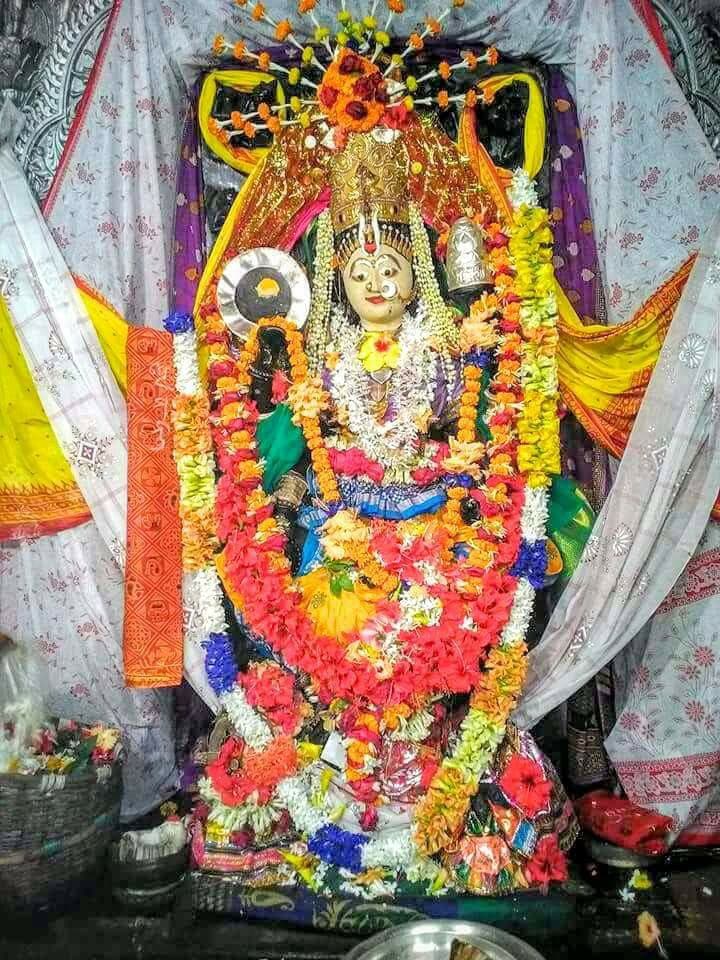
The Kakatpur Mangala Temple, located in Odisha, India, is a significant 15th-century Hindu Shakta pitha dedicated to Maa Mangala, a manifestation of the goddess Durga. It is renowned for its unique Utkaliya Peedha Vimana architectural style and its deep association with the Jagannath Temple in Puri, playing a crucial role in the Nabakalevara ritual.