
Yaganti temple
The Sri Yaganti Uma Maheswara Temple, located in Andhra Pradesh, India, is a significant Hindu temple dedicated to Shiva. Constructed in the 15th century by the Vijayanagara Empire's Sangama Dynasty, it is known for its unique architectural features and popular beliefs surrounding a growing Nandi statue and the absence of crows.
Key Facts
- ›The temple was built by King Harihara Bukka Raya of the Sangama Dynasty in the 15th century.
- ›It is dedicated to Shiva, Parvati, and Nandi.
- ›A notable feature is the Pushkarini, a pond with fresh, sweet water flowing from the hills.
- ›The temple complex includes Agastya Cave, Venkateswara Cave, and Veera Brahmam Cave.
- ›A popular belief is that the Nandi statue in front of the temple is continuously increasing in size.
- ›Legend states that crows are unable to enter the temple premises, a curse attributed to Sage Agastya.

Shiva, Parvati, Nandi
- Historical Patronage By the Vijayanagara Empire
- Unique Architectural Features Like the Pushkarini and Caves
- Popular Religious Beliefs and Legends
Sangama Dynasty
Maha Shivaratri
Stone
King Harihara Bukka Raya
Growing Nandi Statue
Pushkarini
About Yaganti temple
The Sri Yaganti Uma Maheswara Temple, often referred to as Yaganti Temple, is a notable Hindu temple located in the Nandyal district of Andhra Pradesh, India. Primarily dedicated to Lord Shiva, it also features shrines for Parvati and Nandi. The temple's construction is attributed to King Harihara Bukka Raya of the Sangama Dynasty, a prominent ruler of the Vijayanagara Empire, dating back to the 15th century.
History and Mythology
According to local legends, the site was initially intended by Sage Agastya for a temple to Lord Venkateswara. However, a damaged idol prevented its installation, leading Agastya to perform penance for Shiva. Shiva then revealed that the location was more suited for him, resembling Kailash, and agreed to manifest as Uma Maheswara in a single stone for devotees. Another story recounts a devotee named Chitteppa, who saw Shiva in the form of a tiger and exclaimed "Neganti Shivanu ne kanti" (I saw Shiva, I saw), from which the place may derive its name.
The temple is also associated with Saint Sri Madvirat Potuluri Veera Brahmendra swamy, who is said to have stayed here and penned some of his prophecies, known as Kala Gnaanam, in a cave within the complex.
Architectural Features and Popular Beliefs
A unique architectural element of the Yaganti Temple is its Pushkarini, a sacred pond fed by a continuous flow of fresh, sweet water from the base of a hill, emerging from the mouth of a Nandi statue. The origin of this perennial water source remains a mystery. The temple architecture, particularly its sculptures, is noted for the skill of ancient Viswakarma Sthapathis.
Among the popular beliefs is the continuously growing Nandi statue located in front of the temple. Locals and temple staff report that the statue has increased in size over time, necessitating the removal of a pillar to accommodate it. According to Sri Madvirat Potuluri Veera Brahmendra swamy's prophecies, this stone Nandi is believed to come alive and shout at the end of Kali Yuga.
Another legend associated with the temple is the absence of crows. It is believed that Sage Agastya cursed the crows for disturbing his penance, preventing them from entering the sacred grounds. This is also thought to signify that Lord Shani, whose vahana is the crow, cannot enter the premises.
Associated Caves
The Yaganti temple complex features several caves of religious significance:
Agastya Cave
This cave is where Sage Agastya is believed to have performed his penance. Access involves climbing 120 steep steps, and a murti of Devi is installed for worship.
Venkateswara Cave
This cave contains the damaged murti of Lord Venkateswara. While easier to access than Agastya Cave, the damaged idol cannot be worshipped. It is believed this idol predates the construction of the Tirumala Venkateswara Temple.
Veera Brahmam Cave
This is the cave where Saint Sri Madvirat Potuluri Veera Brahmendra swamy is said to have written his Kala Gnaanam. The cave has a low ceiling, requiring visitors to bend to enter.
Location
Yaganti is situated in the Nandyal District of Andhra Pradesh, India, approximately 100 km from the city of Kurnool. It is located 14 km west of Banaganapalle and is accessible from the historic Belum Caves, approximately 45 km away.
Source: Wikipedia ↗
Frequently Asked Questions
What is the historical significance of the Yaganti temple?
The Yaganti Temple was constructed in the 15th century by King Harihara Bukka Raya of the Sangama Dynasty, part of the Vijayanagara Empire. It is recognized as a temple patronized by one of India's great historical dynasties.
Which deities are worshipped at the Yaganti temple?
The primary deities worshipped at the Sri Yaganti Uma Maheswara Temple are Shiva, Parvati, and Nandi. The temple's origin stories involve Lord Venkateswara and Shiva's manifestation as Uma Maheswara.
What is the Pushkarini at Yaganti temple?
The Pushkarini is a distinctive feature of the temple, a small pond on the premises where water flows year-round from the bottom of a hill through a Nandi's mouth. Devotees believe a holy bath in its fresh, sweet water is highly beneficial.
Are there any caves associated with the Yaganti temple?
Yes, the Yaganti temple complex is associated with several caves. These include Agastya Cave, where Sage Agastya is said to have performed penance; Venkateswara Cave, housing a damaged idol; and Veera Brahmam Cave, where Saint Sri Madvirat Potuluri Veera Brahmendra swamy wrote his prophecies.
What are the popular beliefs associated with the Yaganti temple?
Two prominent popular beliefs surround the Yaganti temple. One is that the Nandi statue in front of the temple is continuously growing in size, to the extent that a pillar had to be removed. Another legend states that crows cannot enter the temple, a curse from Sage Agastya.
Where is Yaganti temple located?
Yaganti temple is situated in the Nandyal District of Andhra Pradesh, India. It is located approximately 100 km from Kurnool city and 14 km west of Banaganapalle.
Related Temples (Hindu)
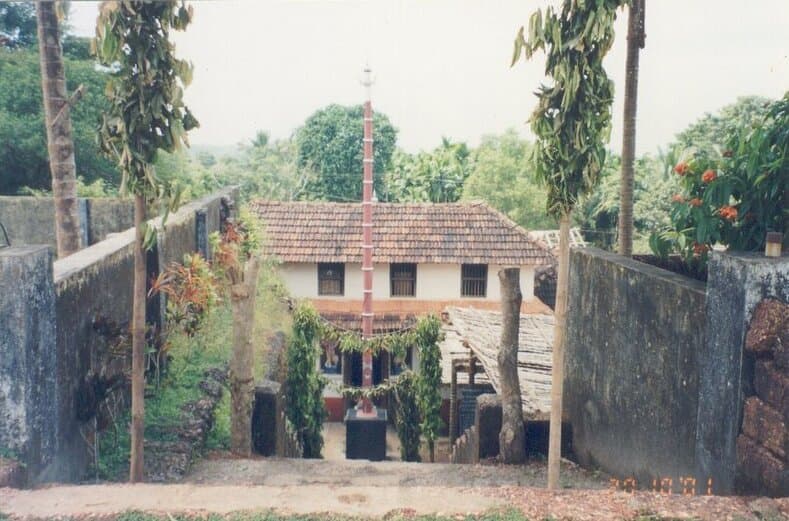
Nellitheertha Cave Temple
The Nellitheertha Cave Temple, located in Nellitheertha, Karnataka, India, is a Hindu temple primarily dedicated to Lord Shiva, also known as Somanatheshwara. The temple's origins can be traced back to at least 1487 CE and features a significant natural cave with a lake and a Shiva Lingam inside.
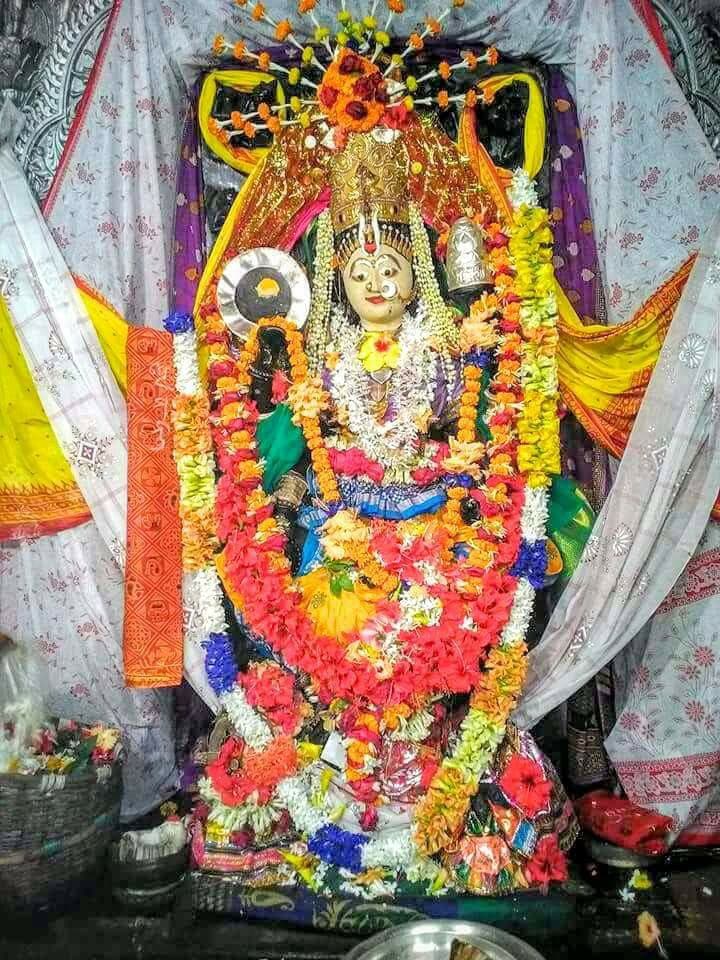
Kakatpur Mangala Temple
The Kakatpur Mangala Temple, located in Odisha, India, is a significant 15th-century Hindu Shakta pitha dedicated to Maa Mangala, a manifestation of the goddess Durga. It is renowned for its unique Utkaliya Peedha Vimana architectural style and its deep association with the Jagannath Temple in Puri, playing a crucial role in the Nabakalevara ritual.

Maa Tarini Temple
The Maa Tarini Temple is a significant Hindu temple located in Ghatgaon, Odisha, India, dedicated to Maa Tarini, an embodiment of Shakti and a chief presiding goddess in Odia culture. The temple's origins are intertwined with ancient tribal beliefs and mythological accounts, notably relating to the Ramayana and the legends of King Bhanja.