
Nellitheertha Cave Temple
The Nellitheertha Cave Temple, located in Nellitheertha, Karnataka, India, is a Hindu temple primarily dedicated to Lord Shiva, also known as Somanatheshwara. The temple's origins can be traced back to at least 1487 CE and features a significant natural cave with a lake and a Shiva Lingam inside.
Key Facts
- ›Dedicated to Somanatheshwara, an aspect of Lord Shiva.
- ›The temple has historical records dating back to at least 1487 CE.
- ›Features a natural cave approximately 200 meters long.
- ›Access to the cave requires visitors to crawl on their knees.
- ›Contains an underground lake and a Shiva Lingam within the cave.
- ›Located in Nellitheertha, Karnataka, India.
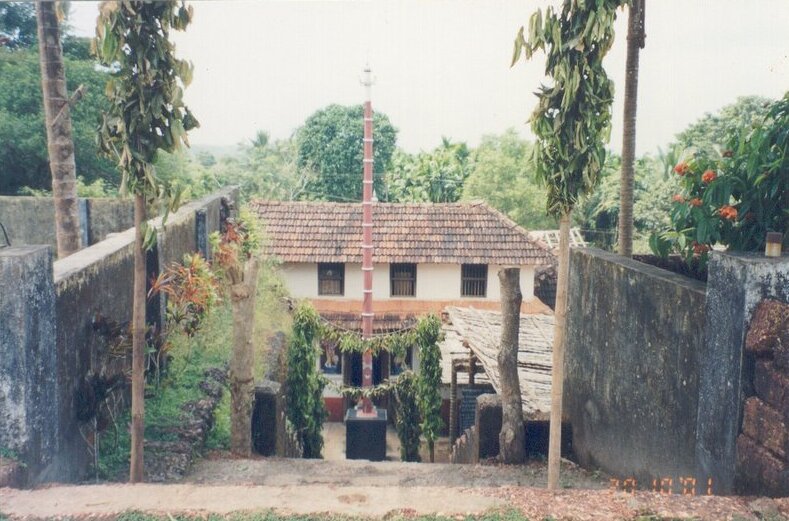
Shiva, Somanatheshwara
Religious Pilgrimage Site, Historical Significance
Lake Within the Cave
About Nellitheertha Cave Temple
The Nellitheertha Cave Temple, situated in Nellitheertha, Karnataka, India, is a significant Hindu pilgrimage site dedicated to Lord Shiva, also revered as Somanatheshwara. Historical records establish the temple's existence from at least 1487 CE, marking it as an ancient place of worship.
The Natural Cave
A prominent feature of the temple complex is a natural cave located to its right. This cave extends for approximately 200 meters and is distinguished by its restricted access, necessitating visitors to crawl on their knees to enter. Inside this sacred space, devotees can find a natural lake and a Shiva Lingam, the aniconic representation of Lord Shiva, which is central to worship.
Religious and Historical Importance
The Nellitheertha Cave Temple holds importance as a religious destination, drawing pilgrims who seek blessings and spiritual connection. Its long history, dating back to the 15th century, also lends it considerable historical significance, providing a glimpse into the region's past devotional practices and architectural traditions.
Source: Wikipedia ↗
Frequently Asked Questions
What deity is worshipped at the Nellitheertha Cave Temple?
The Nellitheertha Cave Temple is dedicated to Somanatheshwara, which is another name for Lord Shiva. The primary deity worshipped is Shiva.
When was the Nellitheertha Cave Temple established?
Historical evidence indicates that the Nellitheertha Cave Temple dates back to at least 1487 CE. This suggests its establishment or significant presence by that period.
What is unique about the cave at Nellitheertha?
The temple complex includes a natural cave that is approximately 200 meters long. Access to this cave is restricted, requiring visitors to crawl on their knees to enter.
What can be found inside the Nellitheertha cave?
Within the natural cave, visitors can find a lake and a Shiva Lingam. The presence of these elements contributes to the sacredness of the site.
Related Temples (Hindu)

Yaganti temple
The Sri Yaganti Uma Maheswara Temple, located in Andhra Pradesh, India, is a significant Hindu temple dedicated to Shiva. Constructed in the 15th century by the Vijayanagara Empire's Sangama Dynasty, it is known for its unique architectural features and popular beliefs surrounding a growing Nandi statue and the absence of crows.

Kakatpur Mangala Temple
The Kakatpur Mangala Temple, located in Odisha, India, is a significant 15th-century Hindu Shakta pitha dedicated to Maa Mangala, a manifestation of the goddess Durga. It is renowned for its unique Utkaliya Peedha Vimana architectural style and its deep association with the Jagannath Temple in Puri, playing a crucial role in the Nabakalevara ritual.

Maa Tarini Temple
The Maa Tarini Temple is a significant Hindu temple located in Ghatgaon, Odisha, India, dedicated to Maa Tarini, an embodiment of Shakti and a chief presiding goddess in Odia culture. The temple's origins are intertwined with ancient tribal beliefs and mythological accounts, notably relating to the Ramayana and the legends of King Bhanja.