
Jayanti Devi Temple
The Jayanti Devi Temple is located on a hillock in Jayanti Majri village, near Chandigarh, India. Dedicated to Jayanti, the goddess of victory, the temple's origins are traced through oral tradition to the 15th century and are associated with the Pandavas. It is a significant religious site, particularly known for its association with the seven sister goddesses of the Kangra valley.
Key Facts
- ›The temple is dedicated to Jayanti Devi, the goddess of victory.
- ›Oral tradition suggests the temple was founded around 550 years ago, during the Lodi dynasty.
- ›The temple is one of the seven sister goddesses of the Kangra valley.
- ›A large fair is held at the temple on Purnima day in February, attracting approximately 1.5 lakh visitors.
- ›The temple complex includes a park and the Jayanti Archeological Museum.
- ›The current pujari is from the 11th generation of the family that originally brought the idol from Kangra.
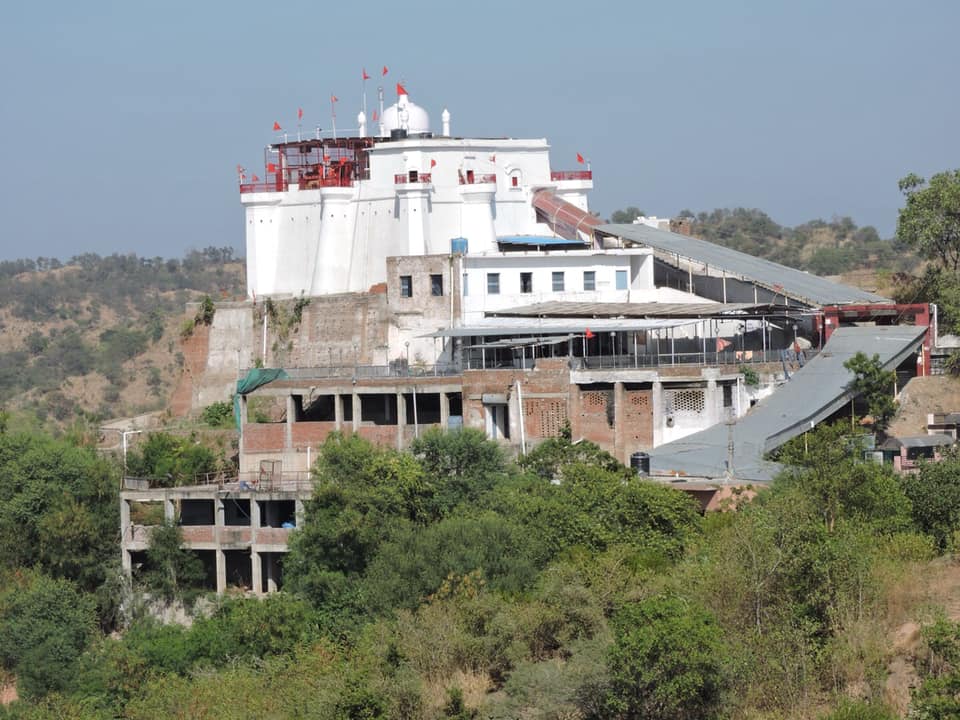
Jayanti Devi
- Religious Pilgrimage
- Association With the Seven Sister Goddesses of Kangra Valley
- Oral Tradition Dating Back To the Lodi Dynasty
Lodi Dynasty, Hathnaur Estate Rulers
Purnima Fair, August Fair, Navratras
Stone, Concrete
Pandavas, Garibu
- Stone Idol of the Goddess
- Murtis of Lord Shiva, Lord Ganesha, Goddess Lakshmi, Goddess Bala Sundari and Local Deity Lokda Dev
Jayanti Dam, Jayanti Rao
About Jayanti Devi Temple
The Jayanti Devi Temple is situated on a hillock in Jayanti Majri village, approximately 15 km from Chandigarh in the Mohali district of Punjab, India. The temple is dedicated to Jayanti Devi, the goddess of victory.
History and Legend
Oral tradition suggests the temple's history dates back about 550 years to the time of the Lodi dynasty. According to legend, the Pandavas also built a temple to Jayanti Devi, which led to the establishment of the town of Jayantipuri. A significant narrative recounts how the goddess promised to accompany a princess of the Kangra clan when she was married far from her ancestral home. The princess's doli (palanquin) became inexplicably heavy, prompting her father to arrange for a separate doli to carry the idol of Jayanti Devi with her. The king of Hathnaur then established a temple for the goddess on a hillock. Later, a local ruler named Garibu, also known as Garibdas, who was a devotee of the goddess, renovated and expanded the temple.
Religious Significance
Jayanti Devi is venerated as one of the seven sister goddesses of the Kangra valley, a group that includes other prominent deities like Naina Devi and Jawalamukhi. The reverence for Jayanti Devi is reflected in local customs, such as the restriction on house construction to a single storey in Jayanti Majri village. An ancient well at the temple's base is known for providing sweet water year-round. The goddess is considered highly sensitive and benevolent, responsive to the prayers of her devotees.
Temple Complex and Features
The temple complex is substantial, featuring a park and the Jayanti Archeological Museum. Access to the temple is via a large gate at the base of the hillock, followed by approximately 100 steps leading to the main premises. Along these steps, small shops sell religious items and souvenirs. A large, traditional concrete water tank, historically used for temple needs, is a notable feature. The temple itself is located at the highest point of the hillock, supported by robust pillars, offering panoramic views of the surrounding green landscape and settlements. The sanctum sanctorum houses the stone idol of the goddess, while niches outside contain images of other deities, including Lord Shiva, Lord Ganesha, Goddess Lakshmi, Goddess Bala Sundari, and the local deity Lokda Dev.
Fairs and Management
The temple hosts a significant fair on the Purnima day in February, which draws an estimated 1.5 lakh visitors from various places. A smaller fair is held in August. Devotees also visit during Navratras and on auspicious days. The temple's management is overseen by two committees: one comprises the priest's family and villagers of Jayanti Majri, responsible for construction and expansion, and the other consists of residents from Mullanpur. Both committees organize community feasts (Bhandara/Dhaam) regularly. The temple relies solely on devotee contributions for its income and is currently developing a dharamshala to accommodate pilgrims.
Source: Wikipedia ↗
Frequently Asked Questions
What is the origin of the Jayanti Devi Temple?
Oral tradition traces the temple's origin to about 550 years ago, during the Lodi dynasty. It is said that the Pandavas also built a temple to Jayanti Devi, around which the town of Jayantipuri was established.
Who is Jayanti Devi?
Jayanti Devi is the goddess of victory and is considered one of the seven sister goddesses of the Kangra valley, alongside Naina Devi, Jawalamukhi, Chintpurni, Mata Mansa Devi, Brajeshwari, and Chamunda Devi.
What is the significance of the Jayanti Devi Temple?
The temple is significant as a religious destination and is associated with a powerful mother goddess. As a sign of reverence, villagers in Jayanti Majri restrict house construction to a single storey. Jayanti Devi is believed to be a benevolent goddess who listens to her devotees' prayers.
When are the main festivals celebrated at Jayanti Devi Temple?
The temple attracts a large number of visitors during a grand fair held on Purnima day in February. A smaller fair takes place in August. Devotees also visit during Navratras, other auspicious days, and on Sundays.
What facilities are available at the Jayanti Devi Temple complex?
The temple complex features a park and the Jayanti Archeological Museum. There are also shops selling religious items along the steps leading to the temple. A provision for limited night stays is available, and a dharamshala is under construction for pilgrims.
Related Temples (Hindu)

Taraknath Temple
The Taraknath Temple, located in Tarakeswar, West Bengal, India, is a significant Hindu pilgrimage site dedicated to Lord Shiva, worshiped here as Tarakanatha. Constructed in 1729, it features a distinct Bengal architectural style with an 'atchala' structure and an adjacent 'natmandir'. The temple is renowned for its belief that a dip in the nearby Dudhpukur tank fulfills prayers and is considered one of the 64 Jyotirlingas.

Tanot Mata Temple
The Tanot Mata Temple is a significant Hindu shrine located in the Jaisalmer district of Rajasthan, India, near the Pakistan border. Revered as a form of Goddess Hinglaj Mata, the temple is famously associated with the Indian victories in the Indo-Pakistani Wars of 1965 and 1971, with local folklore attributing the successful outcomes to divine intervention. The Border Security Force of India now manages the temple complex, which also includes a victory tower and a war museum.
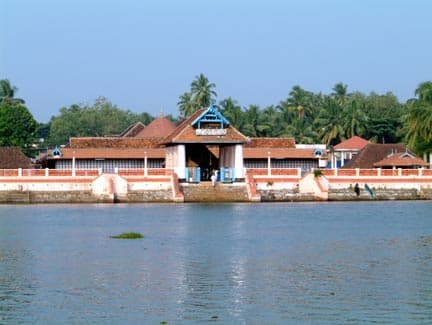
Thriprayar Temple
The Thriprayar Temple, also known as the Shree Ramaswami Temple, is a significant Hindu temple located in Triprayar, Thrissur district, Kerala, India. It is dedicated to Lord Rama, the seventh incarnation of Vishnu, who is depicted with four arms holding a conch, discus, bow, and garland. The temple's origin story involves the idol being worshipped by Krishna in Dwarka, later immersed in the sea, and eventually found by fishermen.