
Taraknath Temple
Bengal temple architecture·18th century·India
The Taraknath Temple, located in Tarakeswar, West Bengal, India, is a significant Hindu pilgrimage site dedicated to Lord Shiva, worshiped here as Tarakanatha. Constructed in 1729, it features a distinct Bengal architectural style with an 'atchala' structure and an adjacent 'natmandir'. The temple is renowned for its belief that a dip in the nearby Dudhpukur tank fulfills prayers and is considered one of the 64 Jyotirlingas.
Key Facts
- ›Dedicated to Lord Shiva, worshiped as Tarakanatha.
- ›Built in 1729 in the town of Tarakeswar, West Bengal, India.
- ›Features an 'atchala' structure typical of Bengal temple architecture.
- ›Considered one of the 64 Jyotirlingas according to the Shiv Puran.
- ›Associated with the legend of Raja Bharamalla Rao discovering a self-manifested linga.
- ›Requires men to enter the sanctum sanctorum shirtless.

Shiva
- Major Pilgrimage Spot
- Considered One of the 64 Jyotirlingas
- Believed To Fulfill Prayers Via Dudhpukur Tank
Shivaratri, Gajan, Sravana Mondays
Raja Bharamalla Rao
Dudhpukur Tank
About Taraknath Temple
The Taraknath Temple, situated in the town of Tarakeswar in West Bengal, India, is a prominent Hindu pilgrimage destination. The temple is dedicated to Lord Shiva, who is worshiped here in the form of Tarakanatha, also known as Baba Taraknath or Baba Tarakeshwar Nath. This deity is described as a fierce manifestation of Shiva who consumed poison during the cosmic churning known as Samudra-manthan. The temple itself was constructed in 1729 and exemplifies the characteristic 'atchala' architectural style of Bengal, complete with an adjoining 'natmandir' for devotees.
Legends and Significance
Local legends recount that the temple was built by Raja Bharamalla Rao, who discovered a self-manifested linga (swayambhu linga) in the nearby jungles. This linga is now enshrined as Baba Taraknath. The temple's spiritual significance is further amplified by its inclusion in the Shiv Puran as one of the 64 Jyotirlingas. A notable feature near the temple is the Dudhpukur tank, believed to possess the power to grant the prayers of those who bathe in its waters. It is also believed that true devotees of Tara and Tarak can attain moksha or salvation through divine grace.
Religious Practices and Festivals
Pilgrims visit Taraknath Temple throughout the year, with Mondays being particularly auspicious. The temple observes major festivals such as Shivaratri, which falls in Phalgun (February-March), and Gajan, a five-day celebration concluding in mid-April. The month of Sravana (mid-July to mid-August) is also considered highly auspicious for Shiva worship, with special observances held every Monday. A specific dress code requires male devotees to enter the inner sanctum bare-chested, removing all upper garments before entry.
Source: Wikipedia ↗
Frequently Asked Questions
Who is the primary deity worshipped at Taraknath Temple?
The primary deity worshipped at Taraknath Temple is Lord Shiva, who is revered here as Lord Tarakanatha. He is also known as Baba Taraknath or Baba Tarakeshwar Nath. This deity is considered a violent (Ugra) form of Lord Shiva who famously drank venom during the Samudra-manthan.
When was the Taraknath Temple built?
The Taraknath Temple was built in 1729 AD. Local legends suggest it was constructed around a self-manifested linga, referred to as Baba Taraknath, which was discovered by Raja Bharamalla Rao in the nearby jungles.
What is the architectural style of the Taraknath Temple?
The Taraknath Temple is an example of Bengal temple architecture, characterized by its 'atchala' structure. It also features a 'natmandir' located in front of the main temple.
What is the significance of the Dudhpukur tank near the temple?
The Dudhpukur tank, situated to the north of the Shiva temple, is believed to fulfill the prayers of those who take a dip in its waters. It holds significant importance for pilgrims visiting the Taraknath Temple.
Are there any specific dress code requirements for visitors?
Yes, there is a mandatory dress code for men. They must enter the sanctum sanctorum shirtless, completely removing their shirts and vests prior to entry. This rule emphasizes a bare upper body for all males entering the sacred space.
What are the major festivals celebrated at Taraknath Temple?
Pilgrims visit the temple throughout the year, with a notable increase on Mondays. Significant festivals include 'Shivaratri', which occurs in Phalgun (February-March), and 'Gajan', a five-day festival concluding in mid-April. The month of Sravana (mid-July to mid-August) is also considered auspicious with celebrations held each Monday.
Related Temples (Hindu)

Ugratara Devalaya
Ugratara Devalaya is a significant Shakti shrine located in Guwahati, Assam, India, dedicated to the goddess Ugratara. Legend connects the temple to the navel of Sati, and it is noted for its unique representation of the deity as a water-filled pit rather than an idol.

Tara Devi Temple
Tara Devi Temple is a prominent Hindu religious site located at an altitude of 7200 feet above sea level near Shimla, India. The temple is dedicated to Goddess Tara Devi and is believed to grant blessings and fulfill the wishes of devotees who visit with unwavering faith. It is a popular destination, drawing thousands of visitors, especially on weekends.
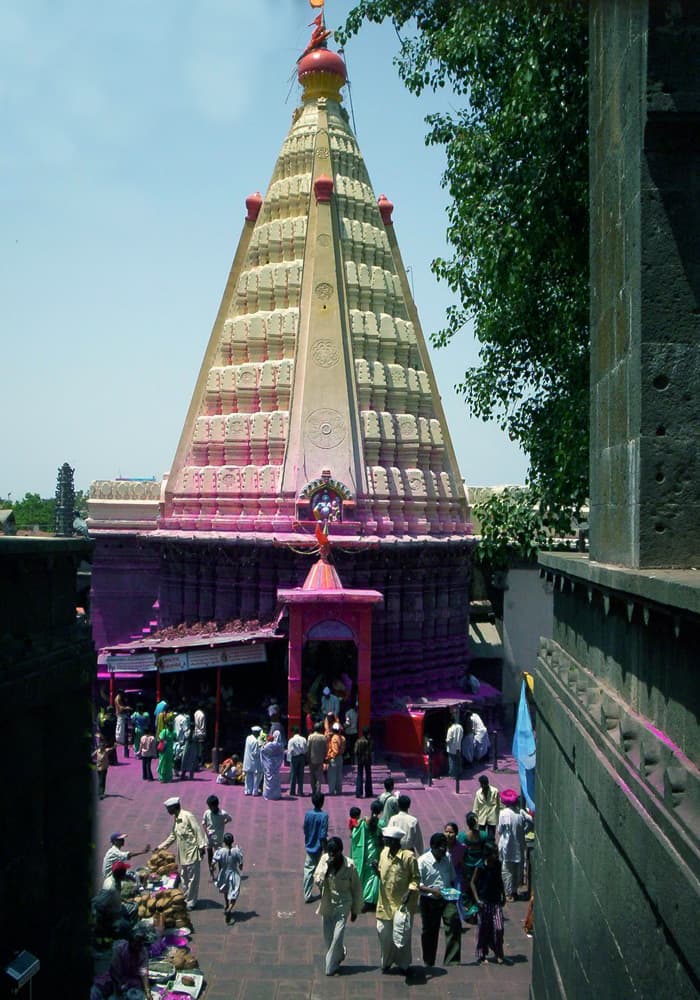
Jyotiba Temple at Wadi
Jyotiba Temple, located near Wadi Ratnagiri in Maharashtra, India, is a significant Hindu pilgrimage site dedicated to the deity Jyotiba. The temple is renowned for its annual fair held on the full moon of Chaitra and Vaishakha, where devotees participate in traditions involving scattering gulal, which famously turns the temple complex and hill pink.