
Ugratara Devalaya
Ugratara Devalaya is a significant Shakti shrine located in Guwahati, Assam, India, dedicated to the goddess Ugratara. Legend connects the temple to the navel of Sati, and it is noted for its unique representation of the deity as a water-filled pit rather than an idol.
Key Facts
- ›Dedicated to the Hindu goddess Ugratara, a form of Tara.
- ›The present temple structure was built in 1725 CE during the Ahom King Siva Singha's reign.
- ›The garbhagriha features a water-filled pit representing the goddess, instead of an idol.
- ›Associated with Sthala Purana involving Rishi Vasishtha and the origins of Vamachara sadhana in Kamarupa.
- ›The temple complex includes a Shivalaya and a pond.
- ›Mentioned in a copper-plate inscription dated 1715 CE, indicating its existence prior to the current building.

Ugratara
- Shakti Shrine
- Connection To Sati's Navel Legend
- Association With Vamachara Sadhana
- Historical Importance Due To Inscriptions and Potential Earlier Origins
Ahom Dynasty
Siva Singha, Ratnapala, Indrapala
Jor Pukhury Tanks
About Ugratara Devalaya
Ugratara Devalaya is a significant Hindu temple located in Guwahati, Assam, Northeast India. Situated in the Lotaxil (Latasil) area, to the west of the Jor Pukhury tanks, it is a prominent Shakti shrine dedicated to the goddess Ugratara. The temple is a focal point for devotees and holds considerable religious and historical importance in the region.
Legend and Mythology
According to local legend, Ugratara Devalaya is connected to the navel of Sati, the first consort of Lord Shiva. The temple also features in the Sthala Purana, which narrates a story where Rishi Vasishtha, while meditating, was disturbed by Ugra Tara's army. Angered, Vasishtha cursed Ugra Tara and Shiva, leading to a shift in religious practices in Kamarupa, with Vedic sadhanas being abandoned and Ugra Tara becoming associated with Vamachara sadhana.
Architectural and Religious Uniqueness
A distinctive feature of Ugratara Devalaya is the representation of the goddess. Within the sanctum sanctorum (garbhagriha), there is no idol or image of Ugratara. Instead, a small pit filled with water serves as the divine symbol of the deity. The temple complex also includes a Shivalaya (temple dedicated to Shiva) and a pond located behind both shrines.
Historical Context
The present structure of Ugratara Devalaya was constructed in Saka 1647 (1725 CE) under the patronage of the Ahom king Siva Singha, as confirmed by an inscription at the site. However, evidence suggests that the religious establishment existed prior to the construction of the current building. A copper-plate inscription from Saka 1637 (1715 CE) records a land grant to the temples of Kamakhya, Pandunath, and Ugratara, reinforcing its antiquity.
Some scholars have proposed an even earlier origin for the shrine. Kanak Lal Barua identified the stone enclosure around the site with Durjaya, the capital of the Kamarupa Pala king Ratnapala, suggesting that a temple of Ugratara might have been built within the citadel by Ratnapala or his successor Indrapala. Maheswar Neog also linked the site to the early worship of Ekajata or Ugratara and attributed a later reconstruction to these Pala rulers, although direct inscriptions supporting this attribution are yet to be discovered.
Worship and Offerings
Ugratara is generally worshipped in a manner similar to the goddess Kamakhya. She is known to favor offerings such as liquor, flesh, Modaka, coconuts, and sugar cane.
Source: Wikipedia ↗
Frequently Asked Questions
Where is Ugratara Devalaya located?
Ugratara Devalaya is situated in the Lotaxil (Latasil) locality in Guwahati, Assam, Northeast India, on the western side of the Jor Pukhury tanks.
What is unique about the idol or representation of Ugratara at this temple?
Unlike many Hindu temples, the Ugratara Devalaya does not house an idol or image of the goddess. Instead, a small pit filled with water is considered to be the divine representation of Ugratara.
When was the present structure of Ugratara Devalaya constructed?
The present temple was constructed in the Saka year 1647, which corresponds to 1725 CE. This construction took place during the reign of the Ahom king Siva Singha.
Is there any evidence of the temple existing before the 1725 CE construction?
Yes, a copper-plate inscription dated Saka 1637 (1715 CE) records a land grant to the temples of Kamakhya, Pandunath, and Ugratara, suggesting the shrine's existence prior to the current building's construction.
What is the mythological significance of Ugratara Devalaya?
According to legend, the temple is associated with the navel of Sati, the first consort of Shiva. Another myth details how Rishi Vasishtha cursed Ugra Tara and Shiva, leading to the adoption of Vamachara sadhana in Kamarupa.
What are the worship practices at Ugratara Devalaya?
Ugratara is worshipped in a manner similar to Kamakhya. Offerings traditionally liked by the goddess include liquor, flesh, Modaka, coconuts, and sugar cane.
Related Temples (Hindu)

Taraknath Temple
The Taraknath Temple, located in Tarakeswar, West Bengal, India, is a significant Hindu pilgrimage site dedicated to Lord Shiva, worshiped here as Tarakanatha. Constructed in 1729, it features a distinct Bengal architectural style with an 'atchala' structure and an adjacent 'natmandir'. The temple is renowned for its belief that a dip in the nearby Dudhpukur tank fulfills prayers and is considered one of the 64 Jyotirlingas.

Tara Devi Temple
Tara Devi Temple is a prominent Hindu religious site located at an altitude of 7200 feet above sea level near Shimla, India. The temple is dedicated to Goddess Tara Devi and is believed to grant blessings and fulfill the wishes of devotees who visit with unwavering faith. It is a popular destination, drawing thousands of visitors, especially on weekends.
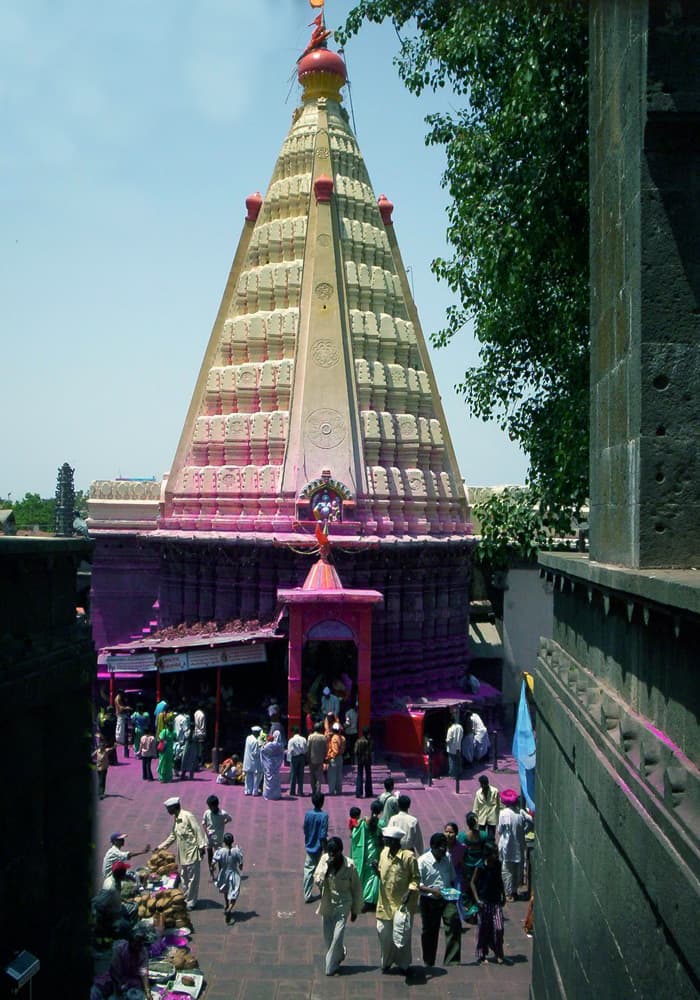
Jyotiba Temple at Wadi
Jyotiba Temple, located near Wadi Ratnagiri in Maharashtra, India, is a significant Hindu pilgrimage site dedicated to the deity Jyotiba. The temple is renowned for its annual fair held on the full moon of Chaitra and Vaishakha, where devotees participate in traditions involving scattering gulal, which famously turns the temple complex and hill pink.