
Chintalarayaswami Temple
The Chintalarayaswami Temple, also known as Sri Chintala Venkataramana Temple, is a Hindu Vaishnavite temple located in Tadipatri, Andhra Pradesh. Dedicated to Venkateswara, a form of Vishnu, it is renowned for its Vijayanagara architecture and granite sculptures, including a chariot-shaped Garuda Mandapa with rotating wheels.
Key Facts
- ›The temple is dedicated to Venkateswara, a form of Vishnu, locally known as Chintala Venkataramana.
- ›It was built in the MID-16th century by Pemmasani Timmanayudu II of the Pemmasani Nayaks during the Vijayanagara Empire.
- ›The temple is situated on the bank of the Penna River.
- ›It is recognized as a Monument of National Importance by the Archaeological Survey of India (ASI).
- ›The architecture is primarily Dravidian, with elements attributed to both the Saluva and Tuluva dynasties.
- ›A notable feature is the Garuda Mandapa, designed as a chariot with rotating granite wheels, similar to the Vithala Temple in Hampi.

Venkateswara, Vishnu
Vijayanagara Architecture, Monument of National Importance, Unique Garuda Mandapa With Rotating Wheels
Vijayanagara Empire, Pemmasani Nayaks
Granite
Pemmasani Timmanayudu Ii
Garuda Mandapa With Rotating Granite Wheels
Penna River
About Chintalarayaswami Temple
The Chintalarayaswami Temple, also known as Sri Chintala Venkataramana Temple, is a significant Hindu Vaishnavite temple situated in Tadipatri, within the Anantapur District of Andhra Pradesh, India. The temple is dedicated to Venkateswara, a prominent form of the deity Vishnu, who is referred to in this locale as Chintala Venkataramana.
History and Construction
The temple's construction is attributed to Pemmasani Timmanayudu II of the Pemmasani Nayaks, a ruler from the Vijayanagara Empire. The temple was erected in the mid-16th century, during the reigns of Vira Narasimharaya and Krishnadevaraya. According to historical accounts, Vishnu appeared to Timmanayudu in a dream, instructing him to build a temple at Tadipatri. Timmanayudu subsequently gifted lands to the temple and appointed religious personnel. The Chintalarayaswami Temple is regarded as a prime example of Vijayanagara architectural prowess, with the initial structure possibly dating to the Saluva dynasty and the entrance towers belonging to the Tuluva dynasty.
Architecture and Features
Built in the Dravidian style, the temple is renowned for its elaborate granite sculptures. A particularly striking feature is the Garuda Mandapa, which is designed as a chariot and includes rotating granite wheels. This architectural element is similar to the one found in the famous Vithala Temple at Hampi. The temple's location on the bank of the Penna River adds to its picturesque setting.
Recognition
The Chintalarayaswami Temple has been recognized by the Archaeological Survey of India (ASI) as a Monument of National Importance, underscoring its historical and cultural value.
Source: Wikipedia ↗
Frequently Asked Questions
What is the origin of the name Chintalarayaswami Temple?
The temple derives its name from the legend that the presiding deity, Venkateswara, was discovered within a Tamarind (Telugu: Chinta) tree. This led to the deity being known as Chintala Venkataramana.
Who was responsible for building the Chintalarayaswami Temple?
The temple was built by Pemmasani Timmanayudu II, a ruler from the Pemmasani Nayaks. He constructed it in the mid-16th century during the reign of the Vijayanagara Empire.
What architectural style is the Chintalarayaswami Temple known for?
The Chintalarayaswami Temple is built in the Dravidian style. While the initial structure may date back to the Saluva dynasty, the entrance towers are attributed to the Tuluva dynasty.
Are there any unique architectural features at the temple?
Yes, the temple features a distinctive Garuda Mandapa constructed in the form of a chariot. This mandapa is notable for its rotating granite wheels, a design reminiscent of the Vithala Temple in Hampi.
What is the significance of the Penna River to the temple?
The Chintalarayaswami Temple is located on the bank of the Penna River. This proximity to the river is a geographical characteristic of the temple's setting.
Related Temples (Hindu)

Ettumanoor Mahadevar Temple
The Ettumanoor Mahadevar Temple is an ancient Shiva temple located in Kottayam, Kerala, India, and is considered one of the major Shiva temples in the region. The temple is renowned for its Dravidian mural paintings, particularly the "Dance of Shiva" fresco, and its significant festival featuring seven and a half golden elephants. Its name has multiple mythological origins, including associations with deer, eight Brahmin families, or Lord Shiva appearing in eight forms.
Kotappakonda
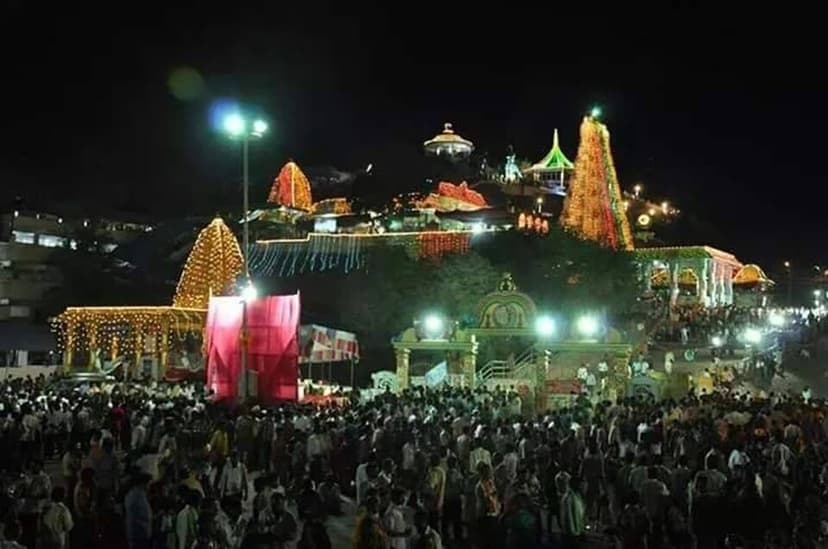
Kotappakonda is a significant Hindu pilgrimage site in Andhra Pradesh, India, centered around the ancient Sri Trikoteswara Swamy Temple, dedicated to Lord Shiva. Renowned for its three distinct peaks, the site is a major Shaivite center, drawing large crowds, especially during the annual Maha Shivaratri festival.

Kumararama
The Kumararama Temple, also known as Bhimarama or Chalukya Kumararama Bhimeswara Temple, is a significant Hindu temple dedicated to Lord Shiva, located in Samalkota, Andhra Pradesh. It is one of the five Pancharama Kshetras and is renowned for its unique limestone Shiva Lingam, which is 16 feet tall and pierces through the roof to the second floor.