
Kotappakonda
Kotappakonda is a significant Hindu pilgrimage site in Andhra Pradesh, India, centered around the ancient Sri Trikoteswara Swamy Temple, dedicated to Lord Shiva. Renowned for its three distinct peaks, the site is a major Shaivite center, drawing large crowds, especially during the annual Maha Shivaratri festival.
Key Facts
- ›The hill is popularly known as Trikutadri or Trikuta Parvatham, signifying its three prominent peaks.
- ›The main temple, dedicated to Lord Shiva as Trikoteswara, is located on Brahma Shikharam, the highest peak.
- ›Rudra Shikharam houses the Paatha Kotayya Temple, considered the original abode of Lord Shiva at Kotappakonda.
- ›Vishnu Shikharam features the temple of Lord Paapanaseswara and the sacred Paapanasa Teertha.
- ›The annual Maha Shivaratri jatara is one of the largest religious gatherings in Andhra Pradesh.
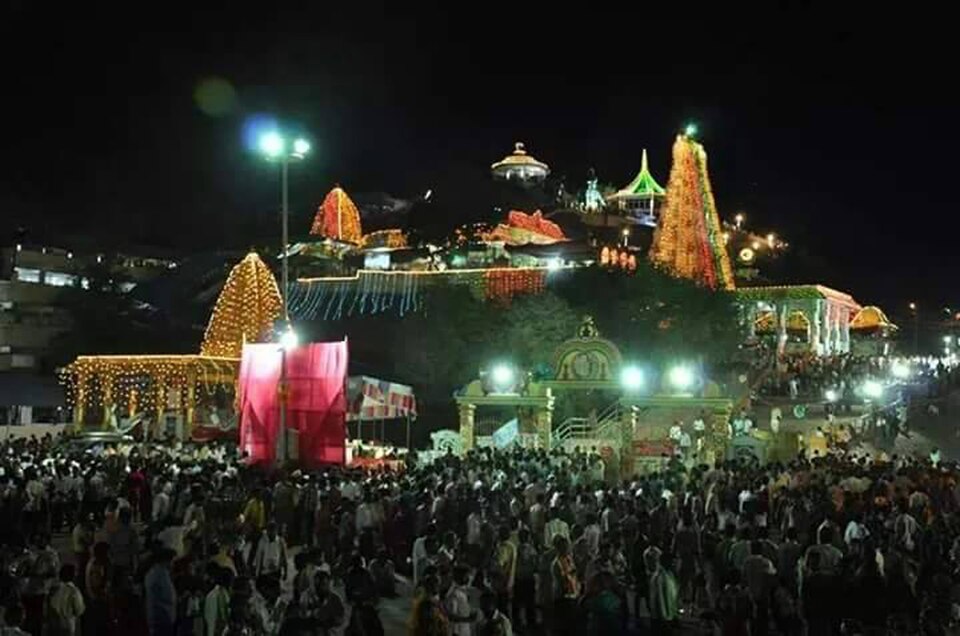
- ›The unique Prabha festival involves the construction of gigantic, illuminated towers by village communities.
Shiva
- Major Shaivite Kshethra
- Important Pilgrimage Site
- Center For Traditional Shaivite Worship Blended With Folk Traditions
- Site of Unique Prabha Festival Symbolizing Community Devotion and Rural Artistry
Eastern Chalukyas, Kakatiya Dynasty, Vijayanagara Empire
Maha Shivaratri Jatara, Prabha Festival
Stone, Granite
Eastern Chalukyas, Kakatiyas, Vijayanagara Rulers
- Sculptural Motifs On Vimana
- Detailed Sculptures and Reliefs On Mandapam Pillars
- Sculptures of Gods, Goddesses, and Mythological Figures On Gopuram
Paapanasa Teertha
About Kotappakonda
Kotappakonda: A Sacred Hilltop Sanctum
Kotappakonda, located in the Palnadu district of Andhra Pradesh, India, is a revered Hindu pilgrimage site renowned for its sacred hill, popularly known as Trikutadri or Trikuta Parvatham, due to its distinctive three peaks. At its heart lies the ancient Sri Trikoteswara Swamy Temple, dedicated to Lord Shiva in his form as Trikoteswara, the Lord of the Three Peaks. The site is a significant Shaivite center, attracting hundreds of thousands of devotees annually, particularly during the grand Maha Shivaratri jatara.
The Three Peaks and Their Deities
The hill's geography is defined by its three prominent peaks. Brahma Shikharam, the highest, is home to the main Sri Trikoteswara Swamy Temple. Legend states Lord Shiva moved here in response to the devotion of Anandavalli. Rudra Shikharam is considered the original abode of Lord Shiva, housing the Paatha Kotayya Temple. Vishnu Shikharam is dedicated to Lord Paapanaseswara, where it is believed Lord Vishnu himself performed penance, and it features the sacred Paapanasa Teertha, a ritualistic pond.
Mythology and Devotion
Mythology imbues Kotappakonda with rich narratives, most notably the story of Anandavalli, also known as Gollabhama. Her intense devotion to Lord Shiva led him to manifest as a lingam on Brahma Shikharam. This legend, along with the presence of multiple shrines, highlights themes of unwavering faith and surrender.
Historical Development and Architecture
The temple's history is marked by patronage from various dynasties, including the Eastern Chalukyas, Kakatiyas, and the Vijayanagara Empire, which significantly contributed to its development and architectural enhancements. The Sri Trikoteswara Swamy Temple exhibits traditional Dravidian architectural styles, characterized by its towering vimana, intricately carved mandapams supported by detailed pillars, and monumental gopurams. Modern renovations have sought to preserve its cultural heritage while incorporating contemporary amenities.
Festivals and Cultural Significance
The Maha Shivaratri festival is the paramount event, transforming the area into a major pilgrimage hub. A unique cultural spectacle is the Prabha festival, where diverse village communities construct and erect colossal, illuminated towers, showcasing remarkable community devotion and rural artistry. Kotappakonda is celebrated for blending classical Shaivite worship with vibrant folk traditions, preserving ancient Vedic teachings through its Veda Patasala, recognized by UNESCO as intangible heritage.
Source: Wikipedia ↗
Frequently Asked Questions
What is the significance of the three peaks at Kotappakonda?
Kotappakonda is known as Trikutadri or Trikuta Parvatham due to its three distinct peaks. Brahma Shikharam hosts the main Sri Trikoteswara Swamy Temple, Rudra Shikharam has the ancient Paatha Kotayya Temple, and Vishnu Shikharam is home to the Lord Paapanaseswara temple and the sacred Paapanasa Teertha.
What is Kotappakonda famous for in terms of festivals?
The most significant festival is Maha Shivaratri, which attracts immense crowds and is celebrated with a large jatara (fair). Another unique festival is the Prabha festival, where various village communities construct and erect giant, decorated light towers.
What is the mythology associated with Kotappakonda?
A prominent legend involves Anandavalli, a devout woman who worshipped Lord Shiva. Impressed by her devotion, Lord Shiva agreed to follow her home but warned her not to look back. When she did, he halted and manifested as a lingam in a cave on Brahma Shikharam, forming the present temple site.
What is the architectural style of the Sri Trikoteswara Swamy Temple?
The temple exemplifies traditional Dravidian architecture, featuring a pyramid-shaped vimana (sanctum tower), intricately carved stone pillars, and expansive courtyards. It also shows influences from various dynasties that patronized the site over centuries.
What historical periods have influenced Kotappakonda?
The temple's history spans ancient Shaivite traditions, patronage under the Eastern Chalukyas and Kakatiyas in the medieval era, significant development during the Vijayanagara period, and continued activity through the Nawab and Colonial periods, with modern renovations and administration by the Tirumala Tirupati Devasthanams (TTD).
Related Temples (Hindu)

Hampi
Hampi, also known as the Group of Monuments at Hampi, is a UNESCO World Heritage Site located in Karnataka, India. Once the prosperous capital of the Vijayanagara Empire, Hampi is now a sprawling archaeological site featuring over 1,600 surviving remains of forts, temples, royal complexes, and water structures, spread across 4,100 hectares. It continues to be a significant religious center, particularly with the active Virupaksha Temple.

Kapilesvara Siva Temple
The Kapilesvara Siva Temple is a Hindu temple dedicated to Shiva, located in Bhubaneswar, Odisha, India. Situated in a precinct with 33 other monuments, it is considered a sacred site, with local legend identifying it as the birthplace of Lord Shiva. The temple complex, which includes various shrines and mandapas, has a rich architectural history, with some structures dating back to the 10th or 11th century and others renovated or built later.

Ghati Subramanya
Ghati Subramanya is a significant Hindu temple located in Karnataka, India, known for its unique dual deity shrine featuring Lord Karthikeya and Lord Narasimha. The temple holds a history of over 600 years and is a popular pilgrimage destination, particularly for those seeking blessings for children and for the worship of the deity Kethu.