
Brahma Temple, Bindusagar
Late Kalingan·15th century·India
The Brahma Temple is located on the eastern embankment of the Bindusagar Tank in Bhubaneswar, Odisha, India. This temple, dating to the 15th century and built during the reign of the Gajapati rulers, is dedicated to Lord Brahma and features a distinctive four-handed image of the deity. It is considered an essential visit for those touring the Lingaraj Temple.
Key Facts
- ›Located on the eastern embankment of the Bindusagar Tank in Bhubaneswar, Odisha, India.
- ›The current temple structure dates to the 15th century, built during the Gajapati Rulers.
- ›Features a four-handed black chlorite image of Lord Brahma.
- ›Lord Brahma is depicted holding Vedas and a water vessel in his upper hands, and a rosary and abhaya mudra in his lower hands.
- ›Daily worship is conducted by Brahmins from the Panda family.
- ›Considered an essential visit when touring the nearby Lingaraj Temple.

Brahma
Religious Pilgrimage, Architectural Heritage
Gajapati Rulers
Ashokashtami Festival
Black Chlorite
Gajapati Rulers
Four-Handed Black Chlorite Image of Brahma
Bindusagar Tank, Bindusara River
About Brahma Temple, Bindusagar
The Brahma Temple is a significant Hindu temple located in Bhubaneswar, Odisha, India, situated on the eastern embankment of the Bindusagar Tank. The temple is an integral part of the religious landscape of the city, often visited in conjunction with the nearby Lingaraj Temple.
Legend and Significance
Local legends associate the Brahma Temple with Lord Brahma's presence in Bhubaneswar. It is said that Lord Brahma came to attend the coronation of Lingaraj Deva and was requested to stay permanently. He assured his continued presence during the Ashokashtami festival each year and pledged to serve as the charioteer (Sarathy) for the Rukuna Rath of Shri Lingaraja. Consequently, a temple was erected in his honor near the Bindusagar Tank.
Architecture and Worship
The current structure of the Brahma Temple is attributed to the 15th century, built during the reign of the Gajapati Rulers, and showcases the late Kalingan architectural style. The presiding deity is Lord Brahma, represented by a striking four-handed image carved from black chlorite. In his upper hands, he holds the Vedas and a water vessel, while his lower hands display a rosary and the abhaya mudra (a gesture of fearlessness). Daily worship at the temple is traditionally performed by Brahmins from the Panda family, maintaining the temple's active religious function.
Source: Wikipedia ↗
Frequently Asked Questions
Where is the Brahma Temple located?
The Brahma Temple is situated on the eastern embankment of the Bindusagar Tank in Bhubaneswar, Odisha, India. It is located on the left side road leading from the Lingaraj Temple.
What is the architectural style and age of the Brahma Temple?
The main temple is in the late Kalingan style and dates back to the 15th century. The present temple was constructed during the period of the Gajapati Rulers.
What deity is worshipped at the Brahma Temple?
The temple is dedicated to Lord Brahma, the creator deity in Hinduism. It features a four-handed image of Brahma.
What is the significance of the Brahma Temple in relation to Lingaraj Temple?
According to legend, Lord Brahma attends the Ashokashtami festival annually and serves as the charioteer for the Rukuna Rath of Shri Lingaraja. A visit to the Lingaraj Temple is considered incomplete without visiting the Brahma Temple.
Who performs the daily worship at the Brahma Temple?
Currently, the daily worship at the Brahma Temple is performed by Brahmins belonging to the Panda family.
Related Temples (Hindu)

Yaganti temple
The Sri Yaganti Uma Maheswara Temple, located in Andhra Pradesh, India, is a significant Hindu temple dedicated to Shiva. Constructed in the 15th century by the Vijayanagara Empire's Sangama Dynasty, it is known for its unique architectural features and popular beliefs surrounding a growing Nandi statue and the absence of crows.
Nellitheertha Cave Temple
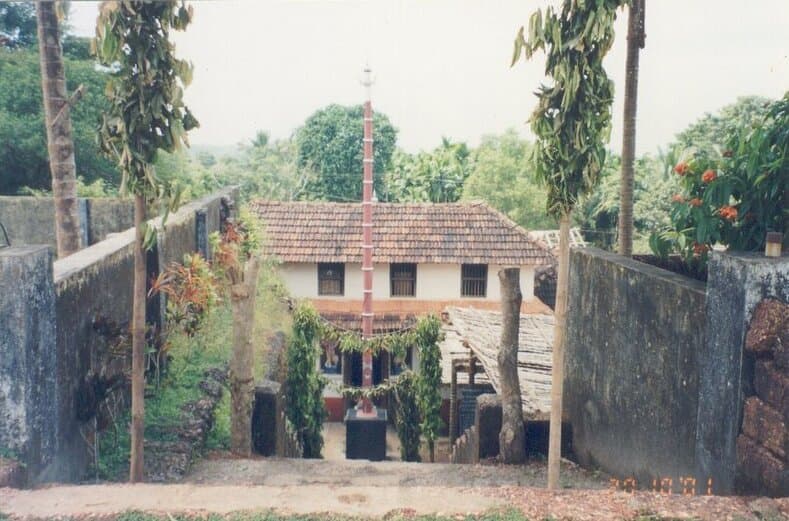
The Nellitheertha Cave Temple, located in Nellitheertha, Karnataka, India, is a Hindu temple primarily dedicated to Lord Shiva, also known as Somanatheshwara. The temple's origins can be traced back to at least 1487 CE and features a significant natural cave with a lake and a Shiva Lingam inside.
Kakatpur Mangala Temple
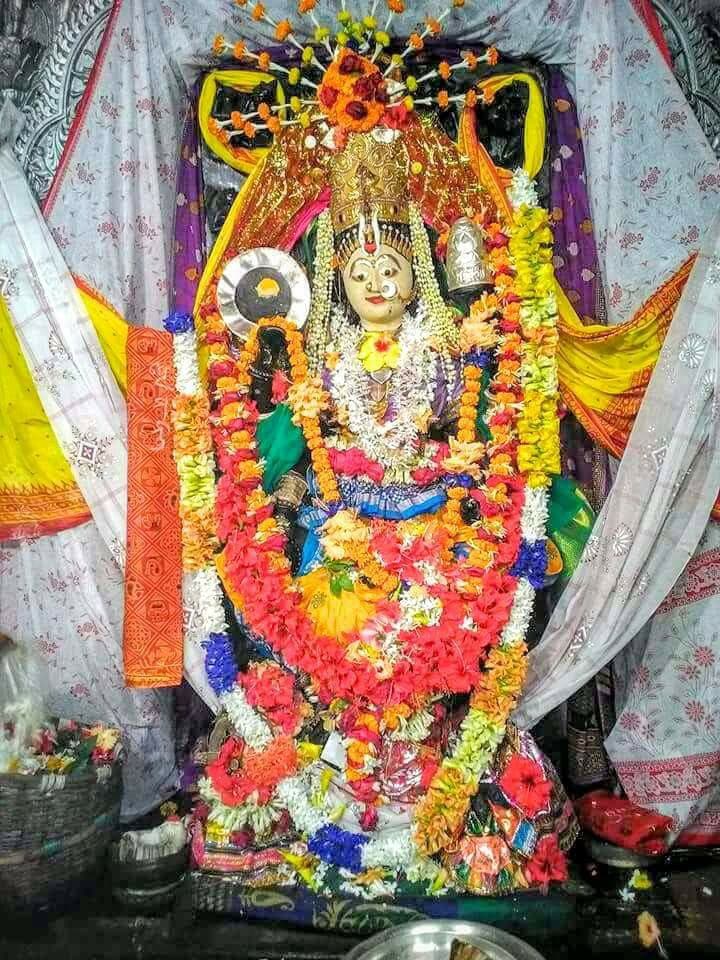
The Kakatpur Mangala Temple, located in Odisha, India, is a significant 15th-century Hindu Shakta pitha dedicated to Maa Mangala, a manifestation of the goddess Durga. It is renowned for its unique Utkaliya Peedha Vimana architectural style and its deep association with the Jagannath Temple in Puri, playing a crucial role in the Nabakalevara ritual.