
Zephaniah
December 3·7th century BC·Judah
Zephaniah was a prophet in the Hebrew Bible who prophesied in the days of King Josiah of Judah. He is known for his book among the Twelve Minor Prophets, which warns of the "day of the Lord" and calls for repentance from religious and moral corruption. Zephaniah is remembered for his role in advising Josiah's reforms and for his strong pronouncements against idolatry.
Key Facts
- ›Zephaniah was the son of Cushi and a great-great-grandson of King Hezekiah.
- ›He prophesied during the reign of King Josiah of Judah, before Josiah's reform in 621 BCE.
- ›His ministry was centered in Jerusalem, which he knew well.
- ›The Book of Zephaniah contains warnings about divine judgment on Judah and the world, as well as prophecies of future restoration.
- ›He is commemorated on December 3 in the Eastern Orthodox Church and Roman Martyrology.
- ›In Islam, he is recognized by some scholars as the prophet Safanyah, though not mentioned in the Quran.

Sophonias
About Zephaniah
Zephaniah was a prophet in the Hebrew Bible, known primarily for the book bearing his name among the Twelve Minor Prophets. He prophesied in the Kingdom of Judah during the reign of King Josiah (640–609 BCE), a period marked by significant religious and moral corruption before Josiah's reformist agenda began.
Life and Historical Context
The prophet Zephaniah is identified as the son of Cushi and a great-great-grandson of King Hezekiah. His prophetic ministry was centered in Jerusalem, and he was a contemporary of Jeremiah. The era in which Zephaniah lived was one of considerable turmoil, with the influence of foreign cults like Baal and Astarte present in Judah, and the broader region of Western Asia being destabilized by movements such as the Scythian migration. Zephaniah's prophecies served as a strong indictment of the prevailing idolatry and moral decay, warning of impending divine judgment.
The Book of Zephaniah
The Book of Zephaniah, consisting of three chapters, contains the core of his preaching. It outlines a comprehensive "day of the Lord," a time of severe judgment upon Judah and Jerusalem for their transgressions, extending judgment to the wider world, including neighboring nations. The book details the impending catastrophe and calls for repentance and a return to seeking the Lord. However, it concludes with a message of hope, looking forward to a future Messianic Kingdom where a purified remnant will live in peace and prosperity, united in worship of God.
Legacy and Veneration
Zephaniah's book is considered a vital source for understanding the religious and political climate of Josiah's reign and the theological concept of divine judgment. His prophecies are seen as influential in shaping later eschatological thought. In Christian tradition, Zephaniah is commemorated as a saint, with his feast day observed on December 3 in the Eastern Orthodox Church and the Roman Martyrology, and on July 31 in the Armenian Apostolic Church. While not explicitly named in the Quran, he is recognized by some Islamic scholars as the prophet Safanyah, known through extra-Quranic traditions.
Source: Wikipedia ↗
Frequently Asked Questions
Who was the prophet Zephaniah?
Zephaniah was a prophet in the Hebrew Bible who lived and prophesied in the Kingdom of Judah during the reign of King Josiah. He is the attributed author of one of the Twelve Minor Prophets in the Old Testament.
When did Zephaniah prophesy?
He prophesied during the reign of King Josiah of Judah (640–609 BCE), specifically before Josiah's religious reforms that took place around 621 BCE. He was a contemporary of the prophet Jeremiah.
What is the main message of the Book of Zephaniah?
The book's primary message is a warning about the "day of the Lord," a time of divine judgment against Judah and the entire world for religious and moral corruption. It also contains prophecies of future restoration and the establishment of God's kingdom.
What was the historical context of Zephaniah's prophecy?
Zephaniah prophesied during a time of significant religious and moral decline in Jerusalem, with the cult of foreign deities like Baal and Astarte being practiced. This was also a period of heightened international instability due to migrations like that of the Scythians.
How is Zephaniah venerated in Christianity?
Zephaniah is commemorated as a saint in several Christian traditions. He is remembered on December 3 in the Eastern Orthodox Church and the Roman Martyrology, and on July 31 in the Armenian Apostolic Church.
Is Zephaniah mentioned in the Quran?
Zephaniah is not directly mentioned in the Quran. However, some scholars in Islam recognize him as the prophet Safanyah, whose story is known through traditions often referred to as Isra'iliyyat.
Related Saints
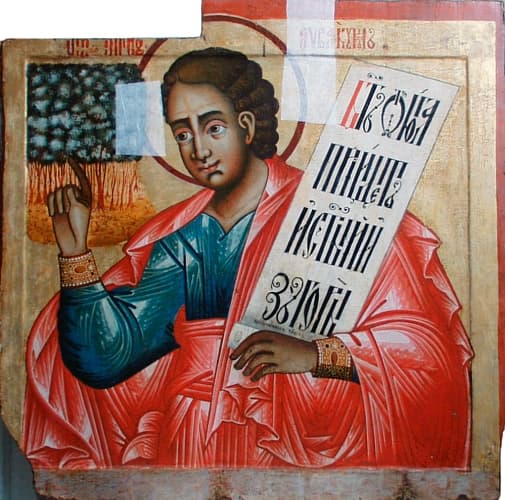
Habakkuk
Habakkuk was a prophet whose oracles are recorded in the Book of Habakkuk, the eighth of the twelve minor prophets in the Hebrew Bible. He is revered by Jews, Christians, and Muslims, and is noted for his unique questioning of God's justice and his powerful prayer. His prophecies are believed by some to foretell future events, including the coming of Muhammad.
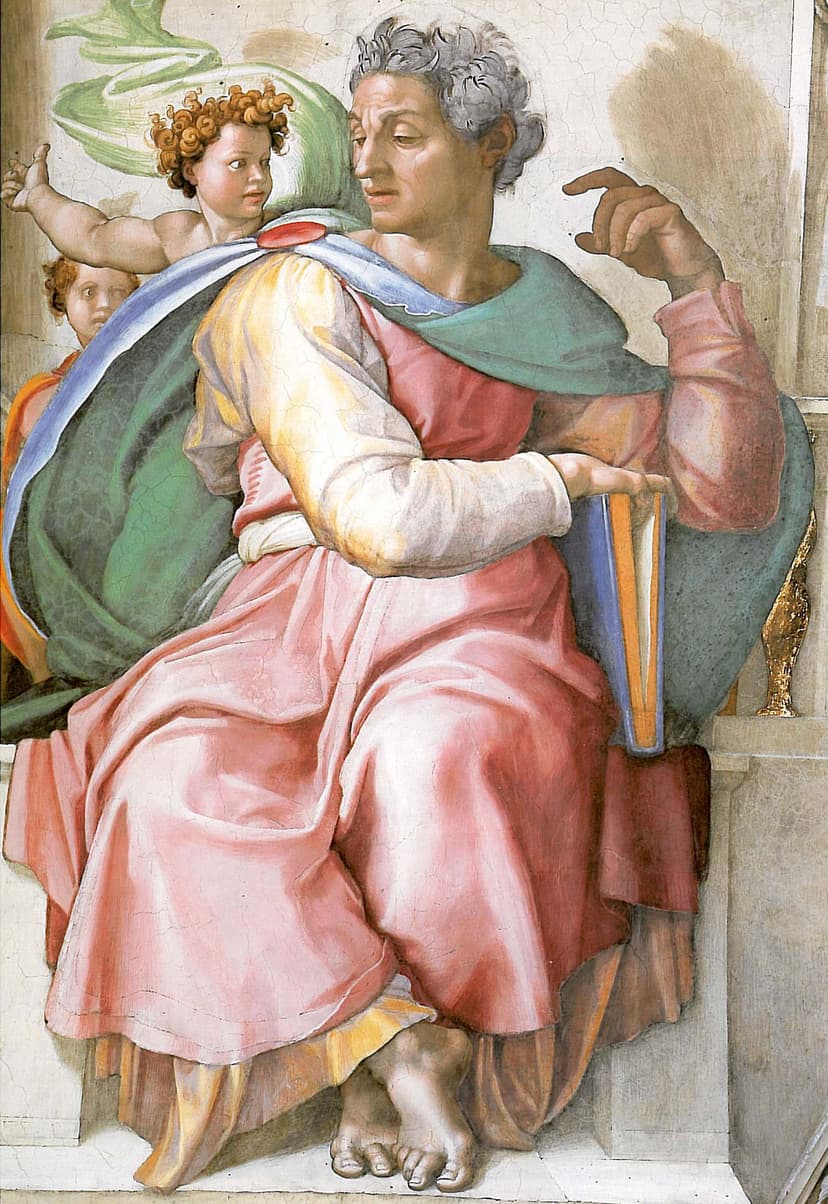
Isaiah
Isaiah was an 8th-century BC Israelite prophet, whose prophecies form the basis of the Book of Isaiah. He is remembered for his pronouncements on the kingdoms of Judah and Israel, his warnings against Assyrian power, and his visions of future salvation and the coming of the Messiah. Christian tradition particularly emphasizes his prophetic insights into the life and death of Jesus Christ.
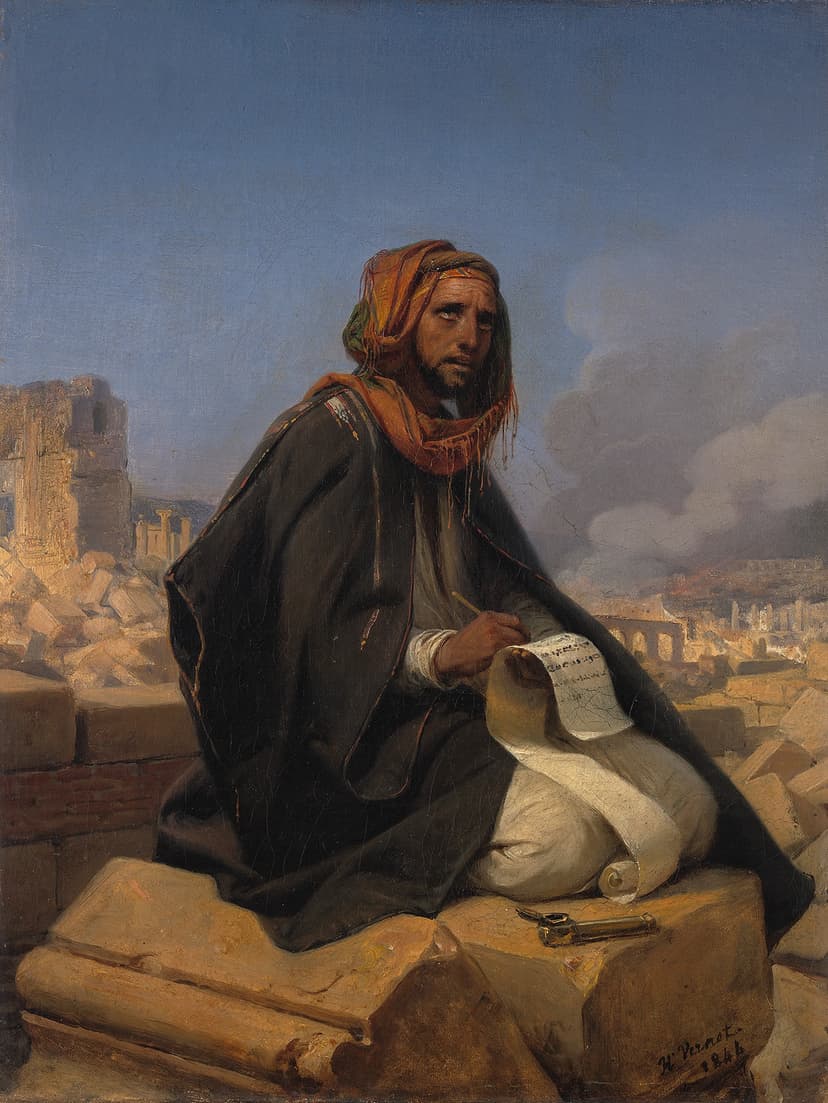
Jeremiah
Jeremiah was a major prophet in the Hebrew Bible, active in the late 7th and early 6th centuries BC. He is chiefly remembered for his prophecies of divine judgment against Judah for its idolatry and social injustices, forewarning of the Babylonian captivity and the destruction of Jerusalem. His ministry, marked by personal struggle and opposition, emphasized repentance and the restoration of a covenant relationship with God.