
Zephaniah
Male·7th century BC·Judah·Prophetic tradition
Zephaniah was a prophet in ancient Judah who prophesied during the reign of King Josiah, prior to Josiah's religious reforms. He is known for his book among the Twelve Minor Prophets, which warns of impending divine judgment on Judah and Jerusalem due to religious and moral corruption. His message also encompassed a vision of future restoration and a universal Messianic Kingdom.
Key Facts
- ›Prophesied in the days of King Josiah of Judah (640–609 BCE).
- ›His ministry occurred before Josiah's reform in 621 BCE.
- ›Contemporary with the prophet Jeremiah.
- ›His primary message warned of the "day of the Lord" as divine judgment for corruption.
- ›His book, among the twelve Minor Prophets, details his prophecies of judgment and future restoration.
- ›His name is transliterated as Sophonias in Bibles translated from the Vulgate or Septuagint.

Book of Zephaniah
Sophonias
Josiah, Jeremiah
Prophet, Minor Prophet, Saint, Commemorated Saint
Prophet, Adviser
Prophet
About Zephaniah
Zephaniah was a prophet active in the Kingdom of Judah during the 7th century BCE, a period marked by significant religious and moral corruption. He is primarily known as the author of the Book of Zephaniah, one of the Twelve Minor Prophets in the Hebrew Bible.
Life and Historical Context
Zephaniah prophesied during the reign of King Josiah (640–609 BCE), but his warnings preceded Josiah's widespread religious reforms which began around 621 BCE. Before Josiah's reign, the cults of foreign deities like Baal and Astarte had become prevalent in Jerusalem, leading to a decline in religious purity and moral standards. Zephaniah's ministry occurred during a tumultuous era in Western Asia, with the migration of the Scythians and looming threats to regional stability, all within a few decades of Jerusalem's eventual destruction in 586 BCE.
Prophetic Message and the Book of Zephaniah
The Book of Zephaniah, a concise three-chapter work, forms the primary source for understanding Zephaniah's personality and message. His central theme was the impending "day of the Lord," a divine judgment that would fall upon Judah and Jerusalem as punishment for their wickedness, idolatry, and moral decay. He boldly predicted the destruction of the land and warned against the religious and social corruption that had infiltrated even the sanctuary. Zephaniah also proclaimed that this judgment would extend to the entire world, targeting nations like the Philistines, Moab, Ammon, Ethiopians, Assyrians, and Ninevites.
Despite the severity of his warnings, Zephaniah's prophecy concludes with a message of hope and future restoration. He envisioned a "Messianic Kingdom" where a purified remnant would call upon the name of the Lord, and the world would unite in worship. This aspect of his message, though not as extensive as in the Book of Isaiah, carries a significant Messianic coloring.
Legacy and Recognition
Zephaniah is recognized as a prophet in Judaism. In Christianity, he is commemorated as a saint in the Armenian Apostolic Church and the Eastern Orthodox Church. Some Islamic scholars also identify him as a prophet named Safanyah who was sent to the Children of Israel, though he is not mentioned in the Quran. His book remains an important historical document for understanding pre-exilic Judah and has inspired religious reflection, including the hymn "Dies irae."
Source: Wikipedia ↗
Frequently Asked Questions
Who was Zephaniah?
Zephaniah was a prophet in ancient Judah, son of Cushi and great-great-grandson of King Hezekiah. He is recognized as the ninth in the literary order of the Twelve Minor Prophets.
When did Zephaniah prophesy?
Zephaniah prophesied during the reign of King Josiah of Judah, specifically before Josiah's religious reforms in 621 BCE, which places his activity between 640 and 609 BCE.
What is the Book of Zephaniah about?
The Book of Zephaniah contains warnings about the "day of the Lord," a time of divine judgment on Judah and Jerusalem for their degeneracy. It also extends judgment to other nations and concludes with a message of future restoration and a Messianic Kingdom.
What was Zephaniah's message?
Zephaniah's central message was a warning of impending divine judgment upon Judah and Jerusalem for their religious and moral corruption, including idolatry. He also preached a message of repentance and a vision of future hope and restoration.
Is Zephaniah recognized in other religions?
In Islam, some scholars recognize Safanyah (the Arabic form of Zephaniah) as a prophet sent to the Children of Israel, though he is not mentioned in the Quran. He is commemorated in the Armenian Apostolic Church and the Eastern Orthodox Church.
Who were other significant figures associated with Zephaniah?
Zephaniah was contemporary with the prophet Jeremiah. He was also a descendant of King Hezekiah, placing him within the royal lineage of Judah.
Related Prophets
Huldah
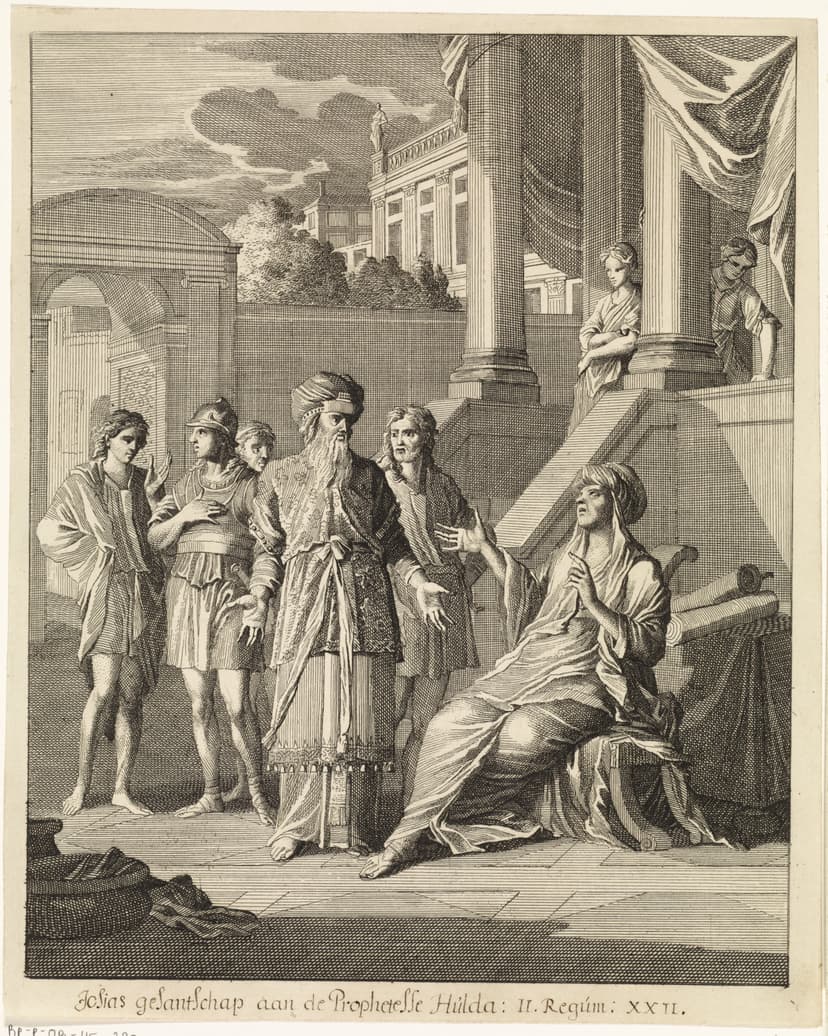
Huldah was a prophetess mentioned in the Hebrew Bible, active during the reign of King Josiah. She gained prominence after the discovery of a lost book of the Law in the Temple, when King Josiah's officials consulted her for divine guidance regarding the text. Huldah's pronouncements authenticated the scripture and prophesied both judgment and personal peace for the king.
Jeremiah
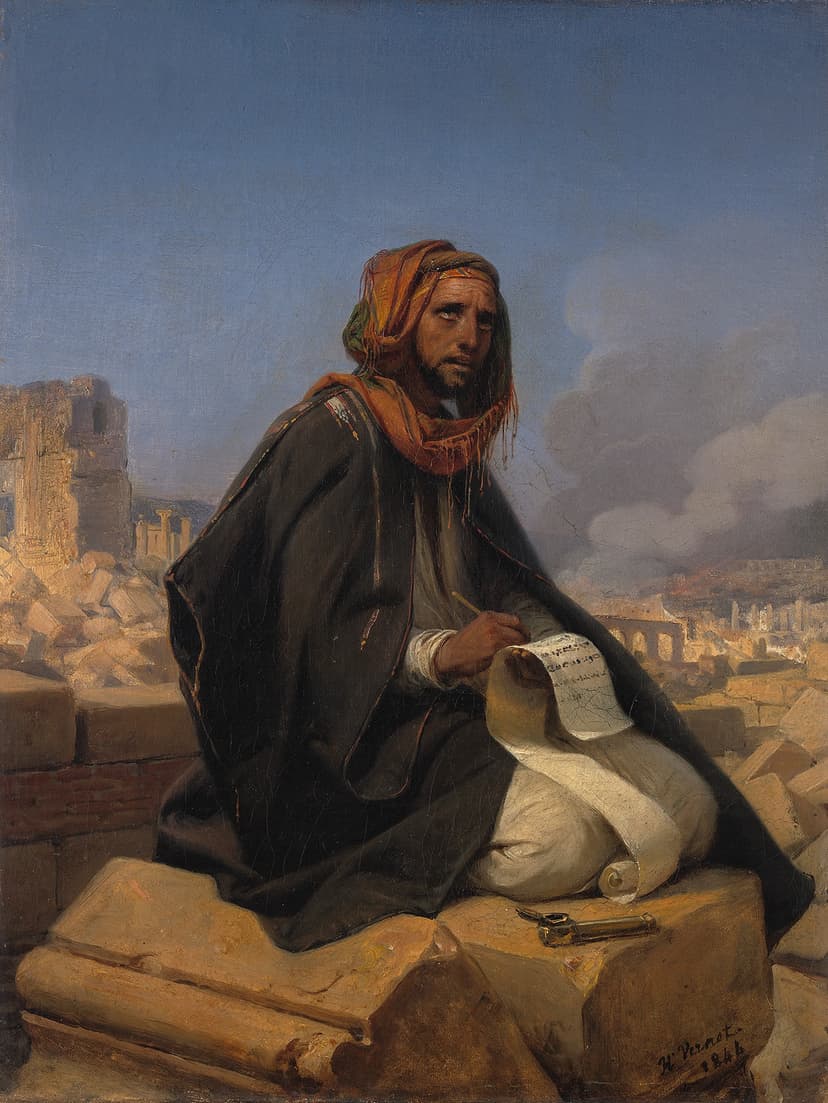
Jeremiah, also known as Jeremias or Jeremy, was a major prophet in the Hebrew Bible active in the late 7th and early 6th centuries BC. Born into a priestly family, he was called to prophesy the impending destruction of Jerusalem and the Kingdom of Judah due to idolatry and social injustice. His ministry was marked by significant persecution, but his prophecies are central to Judaism, Christianity, and Islam.

Elisha
Elisha was an Israelite prophet and wonder-worker mentioned in the Hebrew Bible, New Testament, and Quran, revered in Judaism, Christianity, and Islam. He served as an advisor to several kings of Judah and was known for performing numerous miracles, often in succession to the prophet Elijah. Elisha's ministry is primarily documented in the Books of Kings, where he is depicted as a powerful figure who corrected kings and leaders and intervened in various significant events.