
Huldah
Female·7th century BC·Ancient Israel·Jerusalem Temple
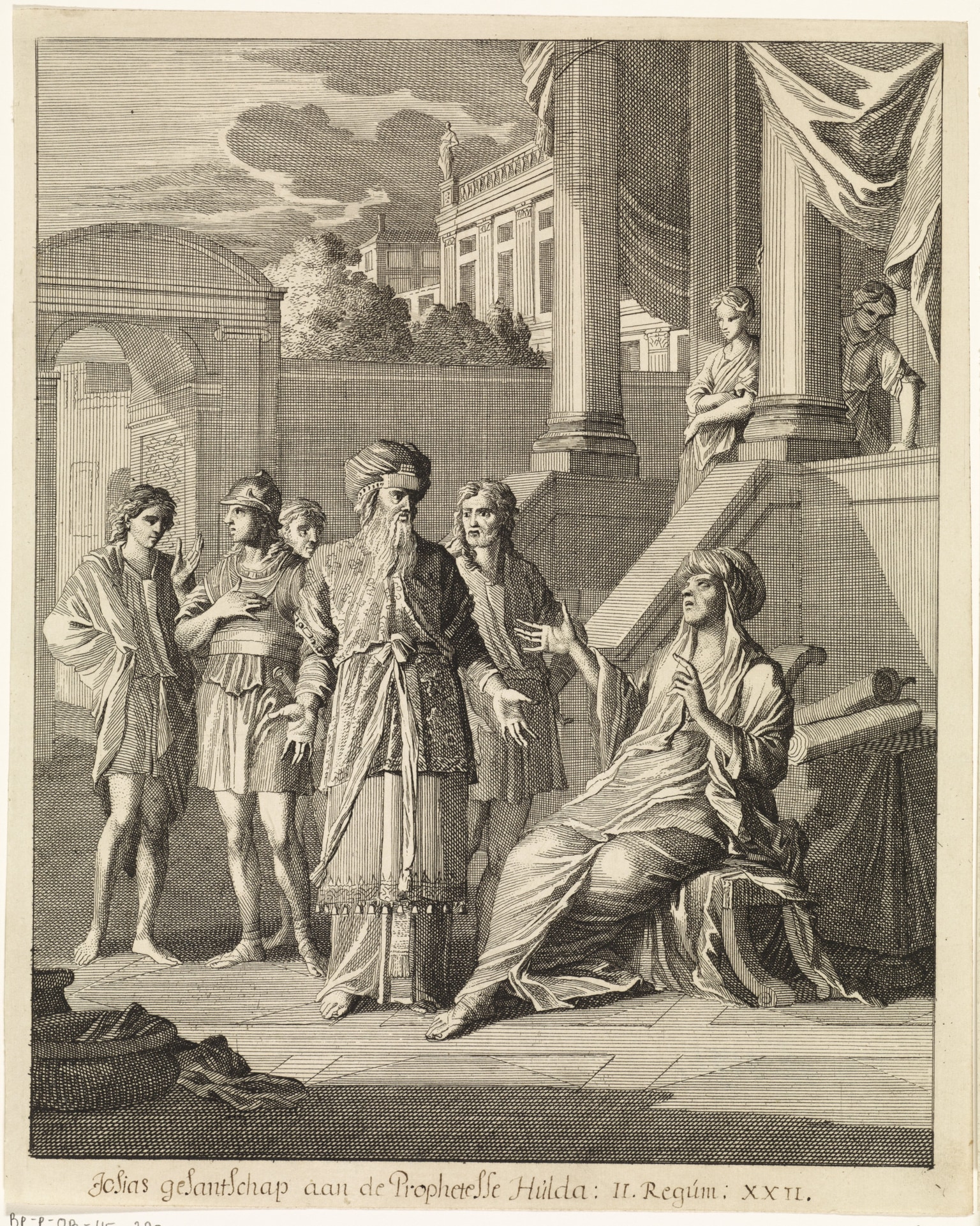
Huldah was a prophetess mentioned in the Hebrew Bible, active during the reign of King Josiah. She gained prominence after the discovery of a lost book of the Law in the Temple, when King Josiah's officials consulted her for divine guidance regarding the text. Huldah's pronouncements authenticated the scripture and prophesied both judgment and personal peace for the king.
Key Facts
- ›Huldah prophesied during the reign of King Josiah of Judah.
- ›She was consulted after a book of the Law was discovered during renovations of Solomon's Temple.
- ›She was the wife of Shallum, son of Tokhath (also known as Tikvah), son of Harhas (also known as Hasrah), who was a keeper of the wardrobe.
- ›Huldah resided in Jerusalem, in what was known as the Second District or Second Quarter.
- ›Rabbinic tradition considers her one of the principal female prophets in the Nevi'IM (Prophets) section of the Hebrew Bible.
- ›According to one interpretation, Huldah was the first person to declare certain writings as Holy Scripture.
Book of the Law
Prophecy
King Josiah, Hilkiah, Shallum
Prophetess
Prophet
About Huldah
Huldah: Prophetess of Josiah's Reforms
Huldah is a prophetess recognized in the Hebrew Bible, primarily within the books of 2 Kings and 2 Chronicles. Her prophetic ministry is most notably documented during the reign of King Josiah of Judah, a period of significant religious upheaval and reform.
Life and Historical Context
Huldah lived in Jerusalem and was married to Shallum, the son of Tokhath (also known as Tikvah), who served as the keeper of the wardrobe. Her residence was in the Second District, also referred to as the New Quarter of the city. The historical context of her activity is the discovery of a "book of the Law" during renovations of the Temple, a find that deeply concerned King Josiah due to its contents, which detailed divine displeasure with the nation's disobedience.
Prophetic Role and Message
Upon the discovery of the scroll, King Josiah dispatched a delegation, including the high priest Hilkiah, to inquire of the Lord. They approached Huldah, seeking her counsel and divine interpretation. Huldah's prophecy confirmed the authenticity of the book and foretold impending disaster upon Judah and its inhabitants as a consequence of their failure to adhere to its commands. However, she also delivered a message of personal reassurance to Josiah, stating that due to his humility and repentance, he would die in peace and not witness the full extent of the calamities to come.
Significance and Legacy
Huldah's pronouncements were instrumental in validating the discovered scripture and bolstering Josiah's commitment to his reformist agenda. Some scholars suggest she may have been the first to officially declare certain texts as Holy Scripture. Rabbinic tradition holds Huldah in high esteem, considering her one of the principal female prophets in the Hebrew Bible. Her legacy is further cemented by the Huldah Gates, a historically significant architectural feature on the southern wall of the Temple Mount in Jerusalem, named in her honor.
Source: Wikipedia ↗
Frequently Asked Questions
Who was Huldah?
Huldah was a prophetess mentioned in the Hebrew Bible, recognized for her prophetic pronouncements during the time of King Josiah. She was the wife of Shallum, a keeper of the wardrobe, and lived in Jerusalem.
When was Huldah active?
Huldah was active during the reign of King Josiah, which is generally placed in the late 7th century BCE. Her prophetic activity is specifically linked to the discovery of a book of the Law in the Temple.
What is Huldah known for?
Huldah is primarily known for her role in authenticating a newly discovered book of the Law during King Josiah's reign. She delivered prophecies from God regarding the contents of this book and its implications for Judah.
Who consulted Huldah?
Hilkiah the priest, along with other officials of King Josiah including Ahikam, Akbor, Shaphan, and Asaiah, approached Huldah to inquire of the Lord.
What was Huldah's message?
Huldah's message confirmed the divine origin of the discovered book and prophesied disaster upon Jerusalem and its people for their disobedience. However, she also reassured King Josiah that he would be gathered to his grave in peace due to his piety.
What is the significance of Huldah in Rabbinic interpretation?
Rabbinic tradition regards Huldah as one of the most important female prophets in the Hebrew Bible, second only to Deborah. Some interpretations suggest she taught publicly and was considered a relative of the prophet Jeremiah.
Related Prophets

Zephaniah
Zephaniah was a prophet in ancient Judah who prophesied during the reign of King Josiah, prior to Josiah's religious reforms. He is known for his book among the Twelve Minor Prophets, which warns of impending divine judgment on Judah and Jerusalem due to religious and moral corruption. His message also encompassed a vision of future restoration and a universal Messianic Kingdom.
Isaiah
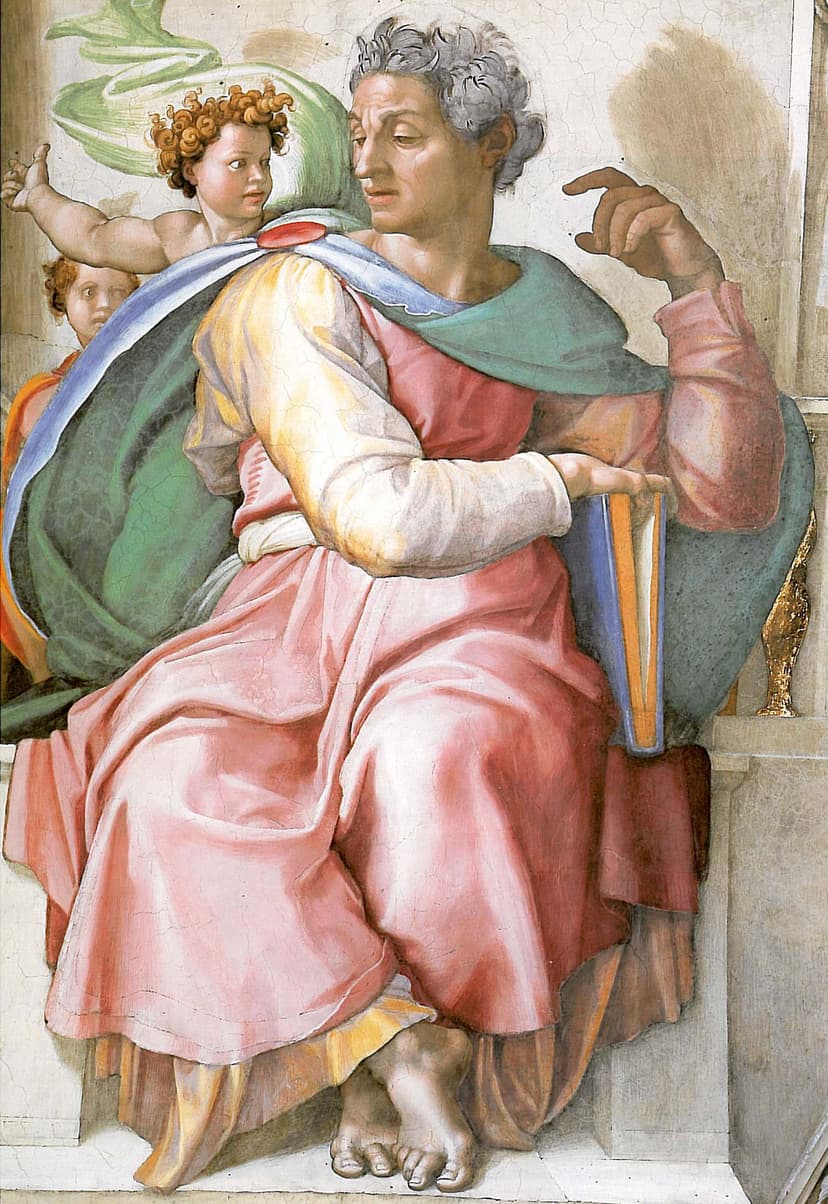
Isaiah was an 8th-century BC Israelite prophet after whom the Book of Isaiah is named. He is known for his prophecies concerning Judah, the Assyrian threat, and future redemption. His teachings and prophecies are deeply influential in Judaism, Christianity, and Islam, with Christians interpreting some of his writings as foretelling the coming of Jesus.
Shemaiah
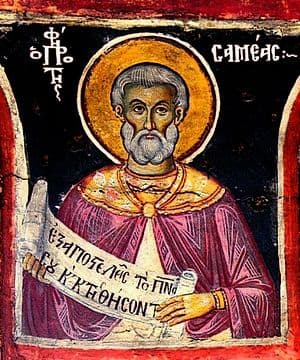
Shemaiah was a prophet active during the reign of King Rehoboam, known for his divine intervention that prevented a civil war between the northern and southern tribes of Israel. He is recognized as a saint in the Eastern Orthodox and Roman Catholic Churches, commemorated in January.