
Shemaiah
Male·10th century BC·Ancient Israel·Prophetic tradition
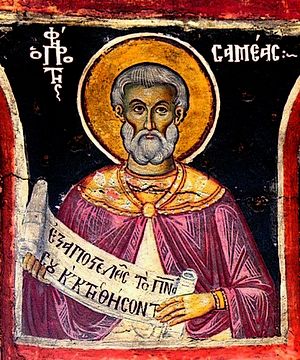
Shemaiah was a prophet active during the reign of King Rehoboam, known for his divine intervention that prevented a civil war between the northern and southern tribes of Israel. He is recognized as a saint in the Eastern Orthodox and Roman Catholic Churches, commemorated in January.
Key Facts
- ›Prophesied during the reign of King Rehoboam.
- ›Prevented a war between Rehoboam and Jeroboam by delivering a divine message.
- ›His prophecy stated that the division of the kingdom was "from me" (God).
- ›His intervention caused King Rehoboam to stand down his 180,000 troops.
- ›Also prophesied the punishment of Rehoboam by Shishak, king of Egypt.
- ›Venerated as a saint in the Eastern Orthodox and Roman Catholic Churches.
1 Kings, 2 Chronicles
Prophecy
Samaia, Semeias
Rehoboam, Jeroboam, Shishak
Saint
Prophet
About Shemaiah
Shemaiah, also known by the Hellenized names Samaia or Semeias, was a prophet active during the tumultuous reign of King Rehoboam of Judah. His significant contribution, as recorded in the biblical books of 1 Kings and 2 Chronicles, was his divine intervention that averted a full-scale civil war between the northern tribes of Israel and the southern kingdom of Judah.
Life and Historical Context
During the period following the secession of the ten northern tribes under Jeroboam, King Rehoboam assembled a formidable army of 180,000 men with the intent of forcibly reuniting the kingdom. It was at this critical juncture that Shemaiah, identified as a "man of God," delivered a crucial prophecy directly from the divine. He declared that the division of the kingdom was an act of God and commanded Rehoboam not to march against his own people, the northern tribes, emphasizing a message of divine will and the prevention of fratricidal conflict. Rehoboam's army consequently stood down, a decision noted by commentators as a timely reminder of human unity despite political division.
Furthermore, 2 Chronicles attributes another prophecy to Shemaiah: the foretelling of Rehoboam's future punishment at the hands of Shishak, the king of Egypt. This prophecy highlights Shemaiah's role not only in averting immediate conflict but also in communicating future divine judgment.
Religious Significance
Shemaiah's role as a prophet who heeded divine instruction and successfully influenced political events has led to his veneration. He is recognized as a saint in both the Eastern Orthodox Church and the Roman Catholic Church. His commemoration occurs on January 8th, with an additional observance on January 9th within Eastern Orthodox traditions, underscoring his continued spiritual significance.
Source: Wikipedia ↗
Frequently Asked Questions
Who was Shemaiah?
Shemaiah was a prophet mentioned in the biblical books of 1 Kings and 2 Chronicles. He is known for his role during the reign of King Rehoboam.
What is Shemaiah most known for?
Shemaiah is most known for his prophecy that averted a civil war. He told King Rehoboam not to fight against the ten northern tribes who had separated from Judah and Benjamin.
What was the message Shemaiah delivered?
Shemaiah conveyed a message from God stating that the division of the kingdom was an act of divine will. He instructed Rehoboam and his army not to engage in conflict with their brethren, the northern tribes.
Did Shemaiah prophesy anything else?
Yes, according to 2 Chronicles, Shemaiah also prophesied that King Rehoboam would be punished by Shishak, the king of Egypt.
How is Shemaiah remembered today?
Shemaiah is venerated as a saint in both the Eastern Orthodox Church and the Roman Catholic Church. He is commemorated on January 8th, with an additional commemoration on January 9th in Eastern Orthodoxy.
Related Prophets
Isaiah
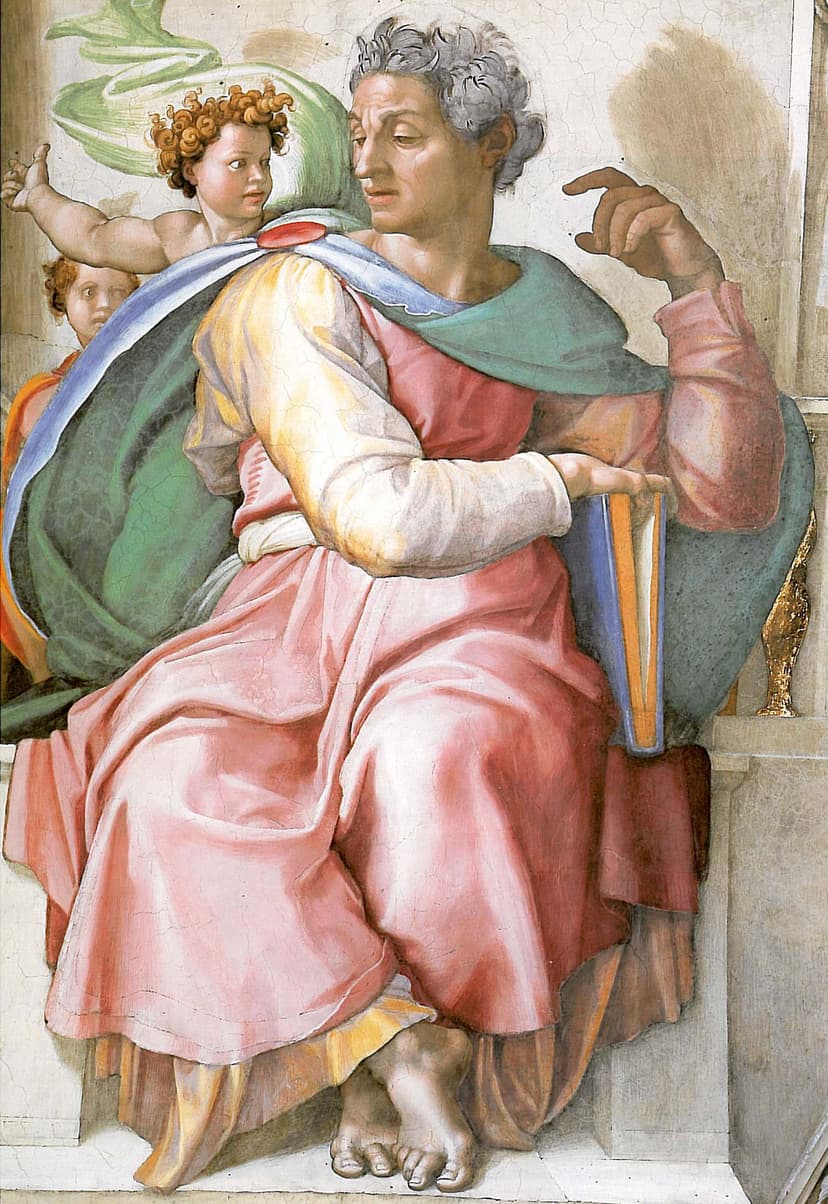
Isaiah was an 8th-century BC Israelite prophet after whom the Book of Isaiah is named. He is known for his prophecies concerning Judah, the Assyrian threat, and future redemption. His teachings and prophecies are deeply influential in Judaism, Christianity, and Islam, with Christians interpreting some of his writings as foretelling the coming of Jesus.
Huldah
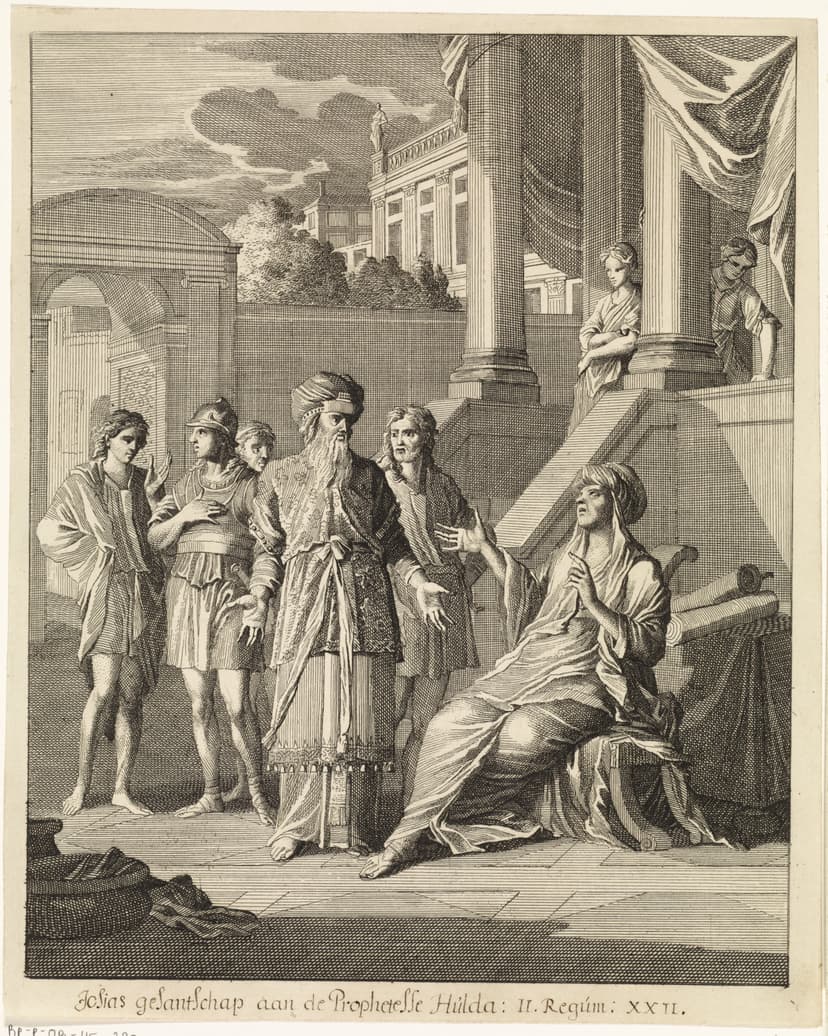
Huldah was a prophetess mentioned in the Hebrew Bible, active during the reign of King Josiah. She gained prominence after the discovery of a lost book of the Law in the Temple, when King Josiah's officials consulted her for divine guidance regarding the text. Huldah's pronouncements authenticated the scripture and prophesied both judgment and personal peace for the king.
Deborah
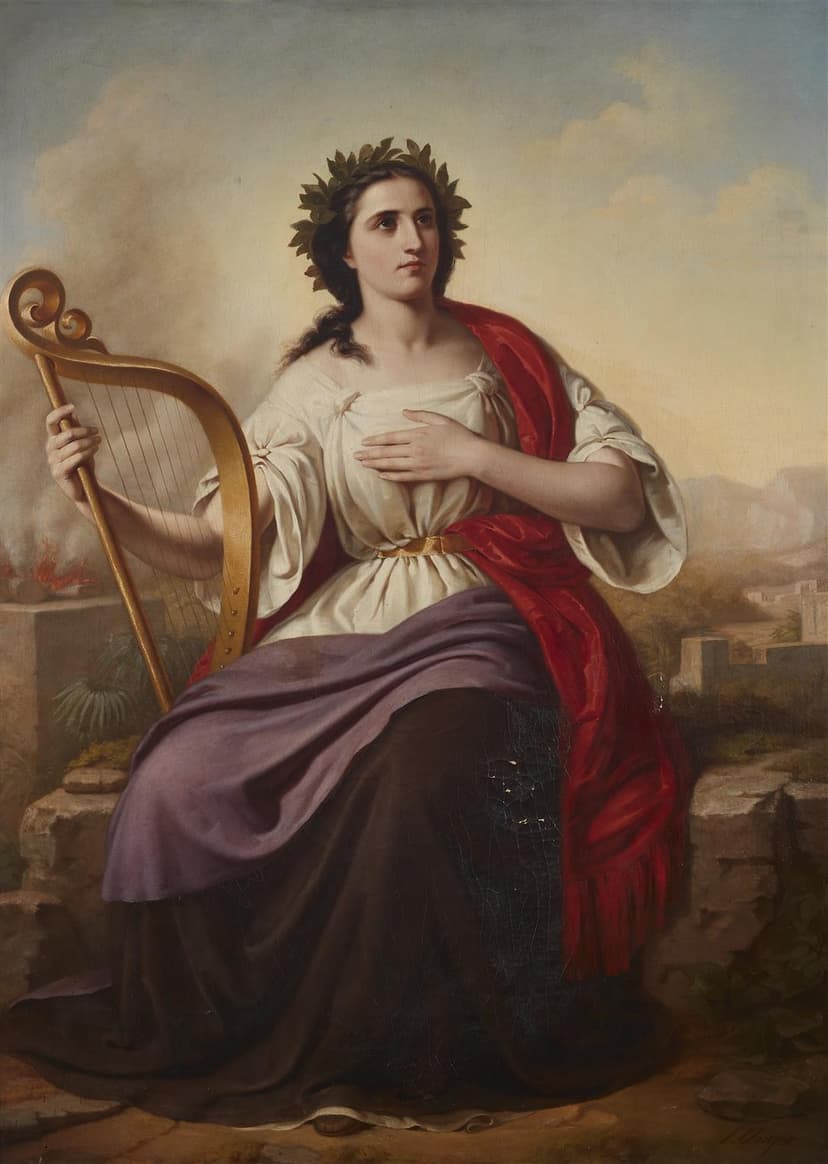
Deborah was a prophetess and the fourth Judge of pre-monarchic Israel, serving as the only female judge mentioned in the Hebrew Bible. She is renowned for her divine guidance to the Israelite general Barak, leading to a significant victory against the Canaanite forces led by Sisera. Her story is preserved in the Book of Judges, including the "Song of Deborah," considered one of the earliest examples of Hebrew poetry.