
Habakkuk
Habakkuk was a prophet whose oracles are recorded in the Book of Habakkuk, the eighth of the twelve minor prophets in the Hebrew Bible. He is revered by Jews, Christians, and Muslims, and is noted for his unique questioning of God's justice and his powerful prayer. His prophecies are believed by some to foretell future events, including the coming of Muhammad.
Key Facts
- ›Habakkuk was a prophet active around 612 BC, known from the Book of Habakkuk.
- ›Almost all biographical information comes from the biblical text, which identifies him only as 'the prophet'.
- ›Scholars infer he lived in Jerusalem and was a contemporary of Jeremiah and Zephaniah.
- ›His name may be related to an Akkadian word for a fragrant plant or a Hebrew root meaning 'embrace'.
- ›Tradition places him in Babylon to feed Daniel in the lion's den, a story from the Additions to Daniel.
- ›He is recognized as an Islamic prophet, with commentaries interpreting his prophecies as foretelling Muhammad's coming.
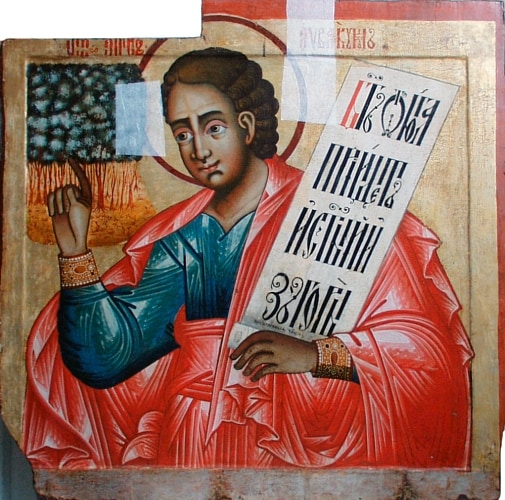
Habacuc, Ambakoum (Greek), Abacuc (Latin), Hab'aqūq (Arabic), Habaghugh, Hayaghugh
About Habakkuk
Habakkuk, also known as Habacuc, was a prophet active around 612 BC. His prophetic oracles and prayer are preserved in the Book of Habakkuk, which is the eighth book among the twelve minor prophets in the Hebrew Bible. He holds a place of reverence among Jews, Christians, and Muslims.
Life and Historical Context
Almost all that is known about Habakkuk is derived from the biblical text bearing his name. The book offers no biographical details beyond his designation as "the prophet." Unlike many other prophets, there are no accounts of his hometown, occupation, parentage, or tribal affiliation. However, scholars infer from his prophecies that he likely lived in Jerusalem and was active around the time of the Chaldean (Babylonian) rise to power, placing him as an early contemporary of Jeremiah and Zephaniah.
Tradition, both Christian and Rabbinic, has offered considerable conjecture about Habakkuk's life over the centuries, but these accounts are generally dismissed by modern scholars as speculative and apocryphal. One tradition, found in the deuterocanonical Additions to Daniel (Bel and the Dragon), depicts Habakkuk being transported by an angel to feed Daniel in the lion's den in Babylon.
The Book of Habakkuk
The Book of Habakkuk is distinguished by its unique structure and content. It comprises a series of prophetic oracles, including five "woes" directed at the Chaldeans, and concludes with a profound psalm of praise. Habakkuk stands out among prophets for his direct and open questioning of God's justice and actions. He voices his perplexity and outcry over the injustice he witnesses among his people and questions why God does not intervene.
Commemoration and Veneration
Habakkuk is commemorated in various Christian traditions. His feast day is observed on December 2 in the Eastern Orthodox Church and on January 15 in the Roman Catholic Church. He is also recognized in the Armenian Apostolic Church. Artistic depictions of Habakkuk include sculptures by notable artists such as Donatello, Bernini, and Aleijadinho.
In Islam, Habakkuk is recognized as a prophet, referred to as Hab'aqūq. Although not explicitly named in the Quran, his prophecies are interpreted by Islamic scholars as foretelling the advent of Muhammad and the Quran. Medieval Muslim scholars wrote commentaries on his book, seeking evidence of Muhammad's prophethood within his writings.
Tombs and Legacy
The exact burial place of Habakkuk is a subject of tradition and veneration at multiple locations. One site in northern Israel, near the villages of Kadarim and Hukok, is identified by Jewish tradition as his tomb, with a tomb structure dating to the 20th century. Another claimant is a mausoleum southeast of Tuyserkan in Iran, which is visited by both Muslims and Jews.
Habakkuk's lasting influence lies in his prophetic book, particularly his candid dialogue with God about justice and his powerful prayer. His theological insights and prophetic pronouncements have continued to be studied and interpreted across different religious traditions.
Source: Wikipedia ↗
Frequently Asked Questions
Who was the prophet Habakkuk?
Habakkuk was a prophet active around 612 BC, whose oracles and prayer are recorded in the Book of Habakkuk. He is the eighth of the twelve minor prophets in the Hebrew Bible and is revered by Jews, Christians, and Muslims.
What is known about Habakkuk's life?
Very little is known about Habakkuk's life beyond his title as 'the prophet'. Scholars infer he lived in Jerusalem based on his prophecies and was an early contemporary of Jeremiah and Zephaniah.
What is the Book of Habakkuk about?
The Book of Habakkuk consists of five oracles concerning the Chaldeans (Babylonians) and a song of praise to God. It is notable for Habakkuk's open questioning of God's actions regarding injustice.
Where is Habakkuk believed to be buried?
Tradition claims multiple burial sites for Habakkuk. One location in northern Israel is venerated by Jewish tradition, while a mausoleum in Tuyserkan, Iran, is believed by Muslims and Jews to be his burial place.
Is Habakkuk recognized in Islam?
Yes, Habakkuk is recognized as an Islamic prophet, though not named in the Quran. Islamic tradition interprets his prophecies as heralding the coming of Muhammad and the Quran.
Related Saints

Zephaniah
Zephaniah was a prophet in the Hebrew Bible who prophesied in the days of King Josiah of Judah. He is known for his book among the Twelve Minor Prophets, which warns of the "day of the Lord" and calls for repentance from religious and moral corruption. Zephaniah is remembered for his role in advising Josiah's reforms and for his strong pronouncements against idolatry.
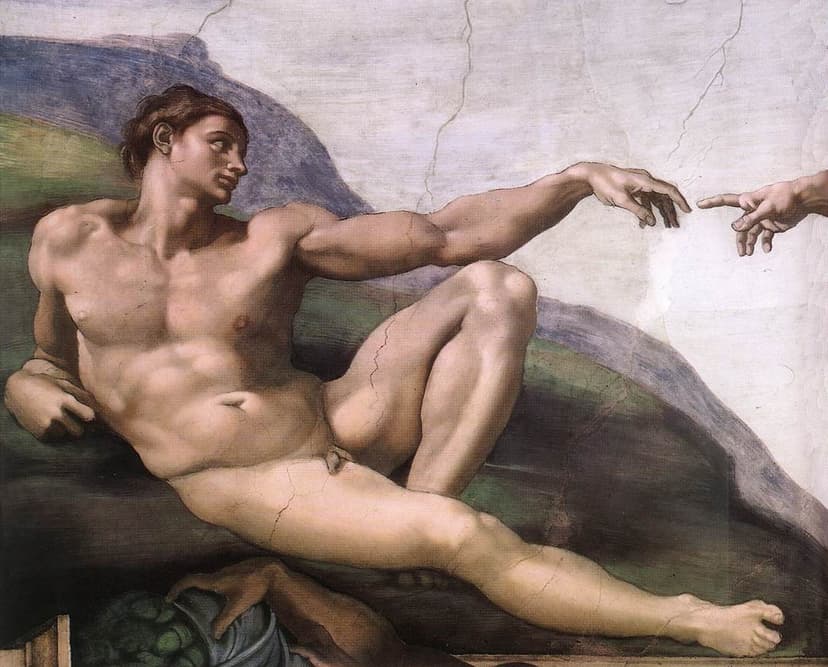
Adam
Adam is the first human being, created by God according to the Book of Genesis and revered in Judaism, Christianity, Islam, and other belief systems. He is remembered for his creation from dust, his sin in the Garden of Eden by eating forbidden fruit, and his subsequent expulsion, which introduced death and sin into the world. His story serves as a foundational narrative for understanding humanity's relationship with God, the origins of sin, and the concept of redemption.
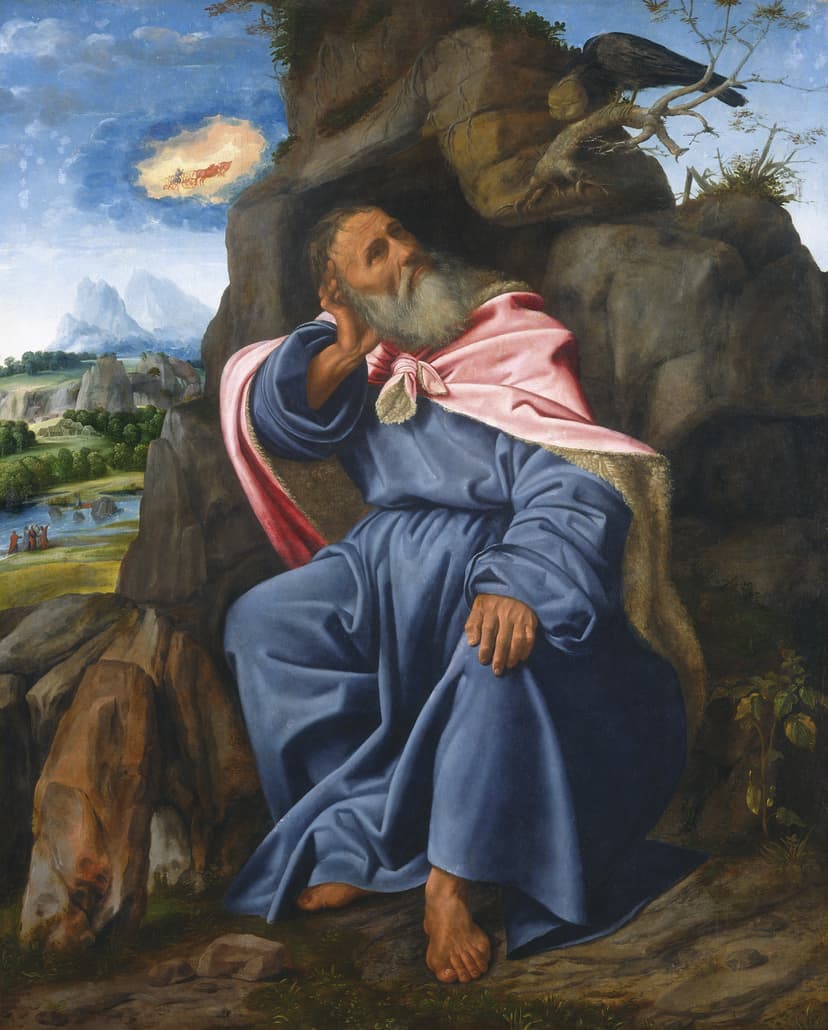
Elijah
Elijah was a prophet and miracle worker in the northern Kingdom of Israel during the 9th century BC. He is chiefly remembered for his defense of the worship of Yahweh against the Canaanite deity Baal and for his dramatic ascension to heaven. His return is prophesied to herald the coming of the Messiah.