
Habakkuk
Male·6th century BC·Ancient Israel·Minor Prophet
Habakkuk was an eighth-century BC prophet in ancient Israel, known for the oracles and prayer recorded in the Book of Habakkuk, the eighth of the twelve minor prophets in the Hebrew Bible. He is revered in Judaism, Christianity, and Islam. His prophecy uniquely features a dialogue with God, where Habakkuk questions divine justice and God's use of the Babylonian empire to punish Judah.
Key Facts
- ›His oracles and prayer are recorded in the Book of Habakkuk, the eighth of the twelve minor prophets.
- ›Active around 612 BC, he is considered an early contemporary of Jeremiah and Zephaniah.
- ›The etymology of his name is unclear, possibly related to an Akkadian word for a fragrant plant or the Hebrew root for 'embrace'.
- ›He is the only prophet to openly question God's actions and the use of oppressive empires to enact justice.
- ›Tradition suggests he may have been a Levite musician due to the lyrical nature of his prayer in chapter 3.
- ›His final resting place is claimed in both Israel and Iran, with different traditions supporting each location.
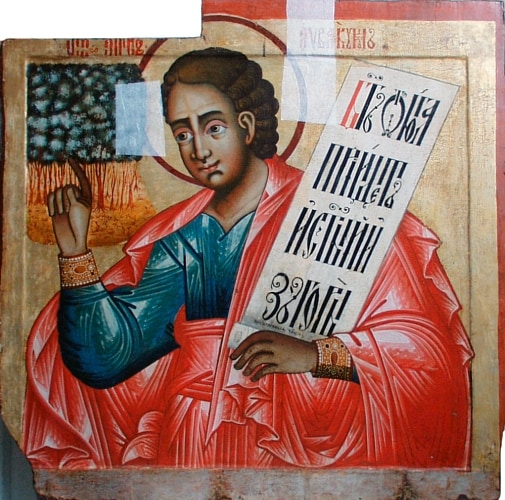
Book of Habakkuk
Habacuc, Ambakoum (Greek), Abacuc (Latin), Hab'aqūq (Arabic)
Jeremiah, Zephaniah, Daniel, Elisha, Solomon, Cyrus the Great, Imam Ali Al-Ridha, Muhammad
Prophet, Saint
Prophet
About Habakkuk
Habakkuk, also known by the transliterated forms Habacuc, Ambakoum (Greek), and Abacuc (Latin), was a prophet active in ancient Israel around 612 BC. His ministry and prophecies are recorded in the Book of Habakkuk, which holds a place as the eighth of the twelve minor prophets in the Hebrew Bible. Habakkuk is a figure revered across Judaism, Christianity, and Islam, with his theological dialogues and poetic expressions offering enduring spiritual and intellectual depth.
Life and Historical Context
Very little biographical information about Habakkuk is available beyond what can be inferred from his prophetic book. Unlike many other prophets, his hometown, occupation, parentage, or tribal affiliation are not specified. However, scholars generally place his activity around 612 BC, making him a contemporary of prophets like Jeremiah and Zephaniah. The content of his prophecy, which addresses the rising power of the Chaldeans (Babylonians), supports this dating. Some interpretations, stemming from the lyrical nature of his prayer in the third chapter, suggest he might have been a member of the Tribe of Levi, traditionally associated with musical roles in the Temple.
Prophetic Message and Significance
Habakkuk's prophecy is distinctive for its format, which resembles a dialogue between the prophet and God. Habakkuk begins by lamenting the injustice and violence he witnesses in Judah and questions why God does not intervene. He then asks why God would use a more wicked nation, the Babylonians, to punish His own people. God responds, affirming His power and the certainty of judgment, while also highlighting that the instruments of judgment will themselves face divine retribution. Habakkuk concludes with a song of praise, expressing unwavering faith in God's ultimate sovereignty and redemptive power, even amidst apparent destruction.
Tradition and Veneration
Beyond the biblical text, Habakkuk appears in extra-biblical traditions. He is mentioned in the deuterocanonical Additions to Daniel (Bel and the Dragon), where he is depicted delivering food to Daniel in the lion's den in Babylon. Rabbinic and Christian traditions have also offered various accounts of his life and death, though these are often considered speculative by modern scholars. His final resting place is subject to competing claims, with traditions identifying sites in both northern Israel and western Iran. Habakkuk is commemorated in various Christian liturgical calendars, and his image has been rendered by notable artists such as Donatello and Bernini.
In Islam, Habakkuk is recognized as a prophet, though not explicitly named in the Quran. Islamic scholars have interpreted passages in his book as foretelling the coming of Muhammad. This veneration underscores his enduring significance as a prophet whose message continues to resonate across different faith traditions.
Source: Wikipedia ↗
Frequently Asked Questions
Who was Habakkuk?
Habakkuk was an ancient Israelite prophet whose oracles and prayer are preserved in the Book of Habakkuk. He is recognized in Jewish, Christian, and Islamic traditions.
When was Habakkuk active?
Scholars estimate Habakkuk was active around 612 BC, based on the references to the Chaldean (Babylonian) rise to power in his prophecies.
What is the Book of Habakkuk about?
The Book of Habakkuk contains five woes against the Chaldeans and a song of praise to God. It is notable for the prophet's direct questioning of God regarding injustice and divine action.
What is unique about Habakkuk's prophecy?
Habakkuk is unusual among prophets for his direct dialogue with God. He questions why God allows wickedness and uses a foreign nation to punish his own people.
Where is Habakkuk believed to be buried?
Traditions suggest two primary burial sites: one in the Upper Galilee region of northern Israel, and another in a mausoleum near Tuyserkan in western Iran.
Related Prophets
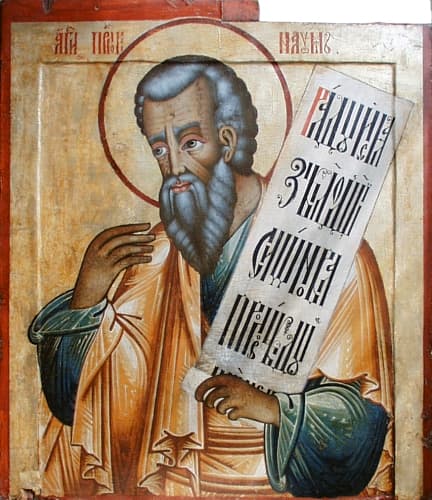
Nahum
Nahum was a minor prophet in ancient Israel whose prophecy is recorded in the Tanakh, also known as the Hebrew Bible and Old Testament. He is primarily known for his vivid poetic condemnation of the Assyrian Empire and its capital city, Nineveh, foretelling its destruction. His book is placed chronologically between Micah and Habakkuk, offering a powerful message against tyranny and militarism.
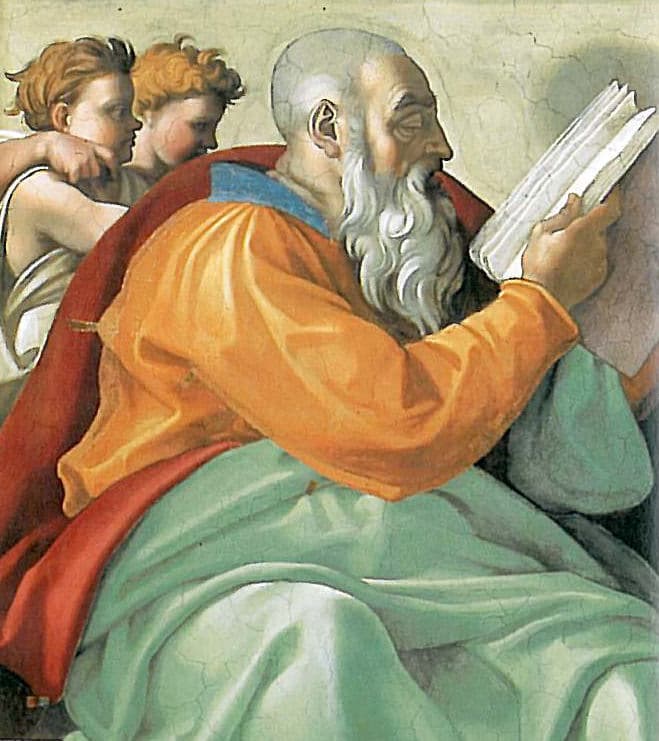
Zechariah (son of Berechiah)
Zechariah (son of Berechiah) is traditionally identified as the author of the Book of Zechariah, the eleventh of the Twelve Minor Prophets in the Hebrew Bible. His prophetic career likely began around 520 BCE during the reign of Darius the Great, with a primary focus on encouraging the rebuilding of the Second Temple in Jerusalem. He is distinguished from other biblical figures named Zechariah and Iddo, with his lineage debated but often presented as son of Berechiah and grandson of Iddo.
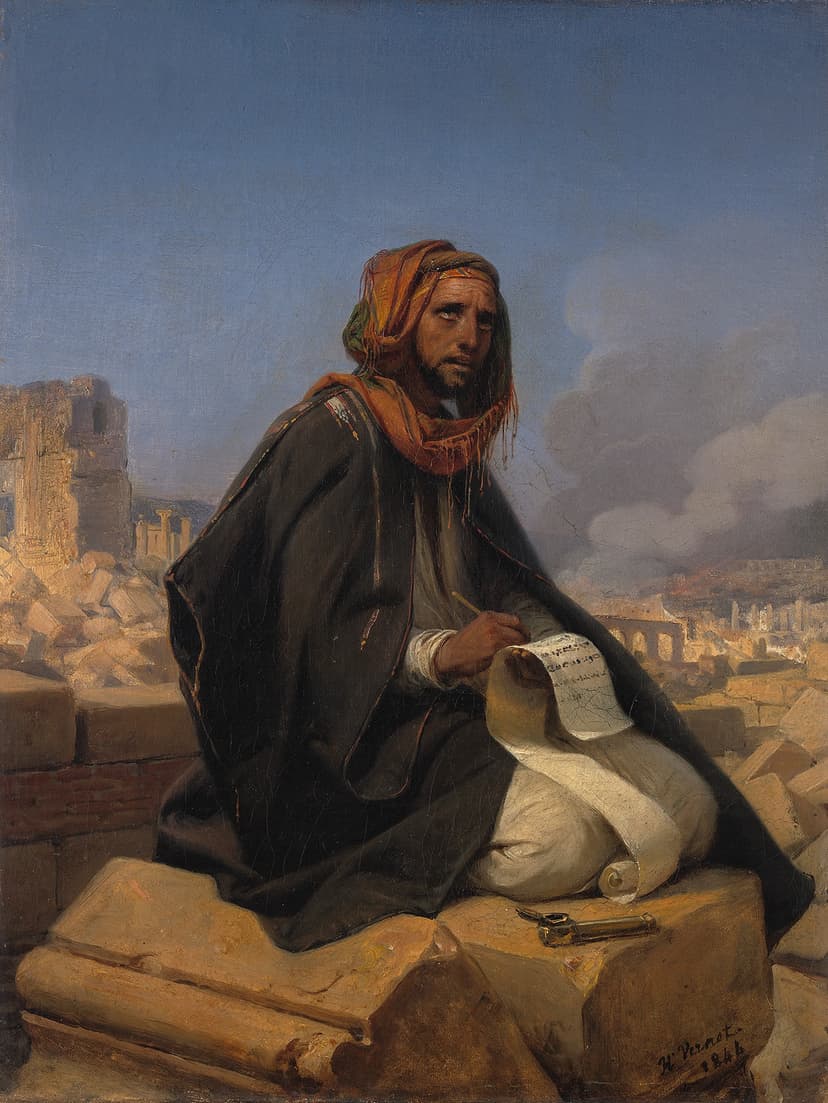
Jeremiah
Jeremiah, also known as Jeremias or Jeremy, was a major prophet in the Hebrew Bible active in the late 7th and early 6th centuries BC. Born into a priestly family, he was called to prophesy the impending destruction of Jerusalem and the Kingdom of Judah due to idolatry and social injustice. His ministry was marked by significant persecution, but his prophecies are central to Judaism, Christianity, and Islam.