
Euthymius of Tarnovo
January 20·14th century·Bulgaria
Euthymius of Tarnovo was the last Patriarch of Bulgaria in the Second Bulgarian Empire, serving from 1375 to 1393. He is considered one of medieval Bulgaria's most significant figures, known for his support of hesychasm and his authoritative role in the Eastern Orthodox world. Euthymius is chiefly remembered for his extensive literary and linguistic reforms, which standardized Church Slavonic texts for Orthodox churches across Eastern Europe.
Key Facts
- ›Euthymius was born around 1325 and may have been from the Tsamblak family of Tarnovo.
- ›He was educated at monastery schools and became a monk, joining the Kilifarevo Monastery around 1350.
- ›Euthymius founded the Tarnovo Literary School and established orthographic rules and corrected translated religious books.
- ›He was elected Patriarch of Bulgaria in 1375 and aimed to combat heresies and moral decay.
- ›His corrected texts served as models for Orthodox churches using Church Slavonic in Bulgaria, Serbia, Romania, and Russia.
- ›After the Ottoman conquest of Tarnovo in 1393, Euthymius was exiled and is believed to have died between 1402 and 1404.
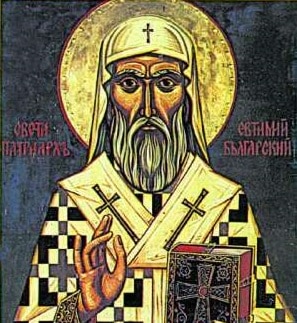
Evtimiy, Sveti Evtimiy Tarnovski
About Euthymius of Tarnovo
Euthymius of Tarnovo (c. 1325 – c. 1402/1404) was a towering figure in medieval Bulgarian history, serving as the last Patriarch of Bulgaria in the Second Bulgarian Empire from 1375 to 1393. Widely regarded as one of the most important patriarchs, he was a prominent supporter of hesychasm and held significant authority within the Eastern Orthodox world of his time.
Early Life and Monasticism
Born around 1325, possibly into the esteemed Tsamblak family of Tarnovo, Euthymius received his education at local monastery schools. He was drawn to the spiritual teachings of Theodosius of Tarnovo and joined the Kilifarevo Monastery around 1350. After Theodosius's death, Euthymius traveled extensively, joining the Studion monastery and later the Great Lavra of Athanasius the Athonite on Mount Athos. During this period, he was influenced by leading scholars and reformers of Southeastern Europe and was briefly exiled to the island of Lemnos by the Byzantine Emperor John V Palaiologos.
Literary and Linguistic Reforms
Upon his return to Bulgaria around 1371, Euthymius founded the Holy Trinity Patriarchal Monastery near Tarnovo, establishing the renowned Tarnovo Literary School. His most significant contribution was his comprehensive language reform. He meticulously corrected inaccurately translated religious books by comparing them to their Greek originals, establishing new orthographic rules. These meticulously revised texts became the standard for Orthodox churches using Church Slavonic throughout Bulgaria, Serbia, Romania, and Russia, profoundly shaping their literary traditions.
Patriarchate and Fall of Tarnovo
In 1375, Euthymius was elected Patriarch of Bulgaria. As a proponent of asceticism, he actively worked to combat heresies and moral decay within the church. His theological insights were sought by metropolitans and hegumens across the Orthodox world. However, his patriarchate ended with the Ottoman conquest of Tarnovo in 1393. While Tsar Ivan Shishman was away, Euthymius was entrusted with the city's defense. Despite fierce resistance, the capital fell, and Euthymius was exiled. Historical accounts suggest he died between 1402 and 1404, marking the end of the independent Tarnovo Patriarchate.
Legacy
Euthymius of Tarnovo's literary and linguistic work had a lasting impact, providing foundational texts for liturgical use and literary development in numerous Slavic lands. His hagiographies, praises, and epistles are also significant contributions to Bulgarian literature. He is commemorated with a feast day on January 20, shared with Euthymius the Great.
Source: Wikipedia ↗
Frequently Asked Questions
Who was Euthymius of Tarnovo?
Euthymius of Tarnovo was the last Patriarch of Bulgaria in the Second Bulgarian Empire, serving from 1375 to 1393. He is recognized as a pivotal figure in medieval Bulgarian history and Eastern Orthodox spirituality.
What was Euthymius of Tarnovo known for?
He is primarily known for his profound literary and linguistic reforms, which corrected and standardized Church Slavonic texts. He also founded the influential Tarnovo Literary School and was a staunch supporter of asceticism and theological orthodoxy.
When did Euthymius of Tarnovo live and serve?
Euthymius was born around 1325 and served as Patriarch from 1375 until the fall of Tarnovo to the Ottomans in 1393. He is believed to have died between 1402 and 1404.
What impact did Euthymius of Tarnovo have on language?
Euthymius initiated a language reform in Old Bulgarian that established orthographic rules and corrected translations of clerical books. These standardized texts became influential models for the literary languages of Serbia, Walachia, Moldova, and the Russian principalities.
What happened to Euthymius of Tarnovo after the fall of Tarnovo?
Following the Ottoman conquest of the capital in 1393, Patriarch Euthymius was exiled to the region of Macedonia (contemporary Thrace). The Tarnovo Patriarchate ceased to exist as Bulgaria lost its church independence.
Related Saints
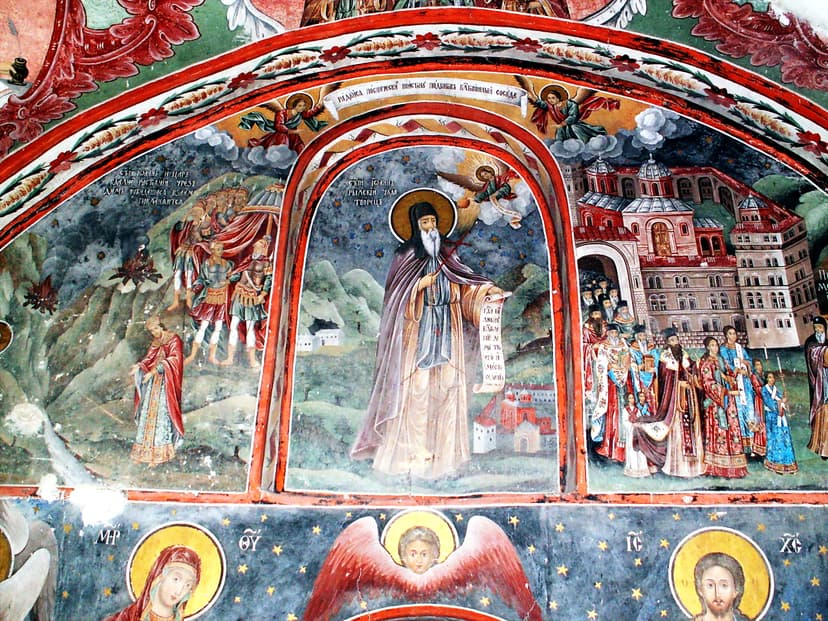
John of Rila
Saint John of Rila was the first Bulgarian hermit, revered for his ascetic life and miracles. He is honored as the patron saint of the Bulgarians and is one of the most important figures in the Bulgarian Orthodox Church. His legacy is tied to the founding of the Rila Monastery and his Testament, a moral message to his people.
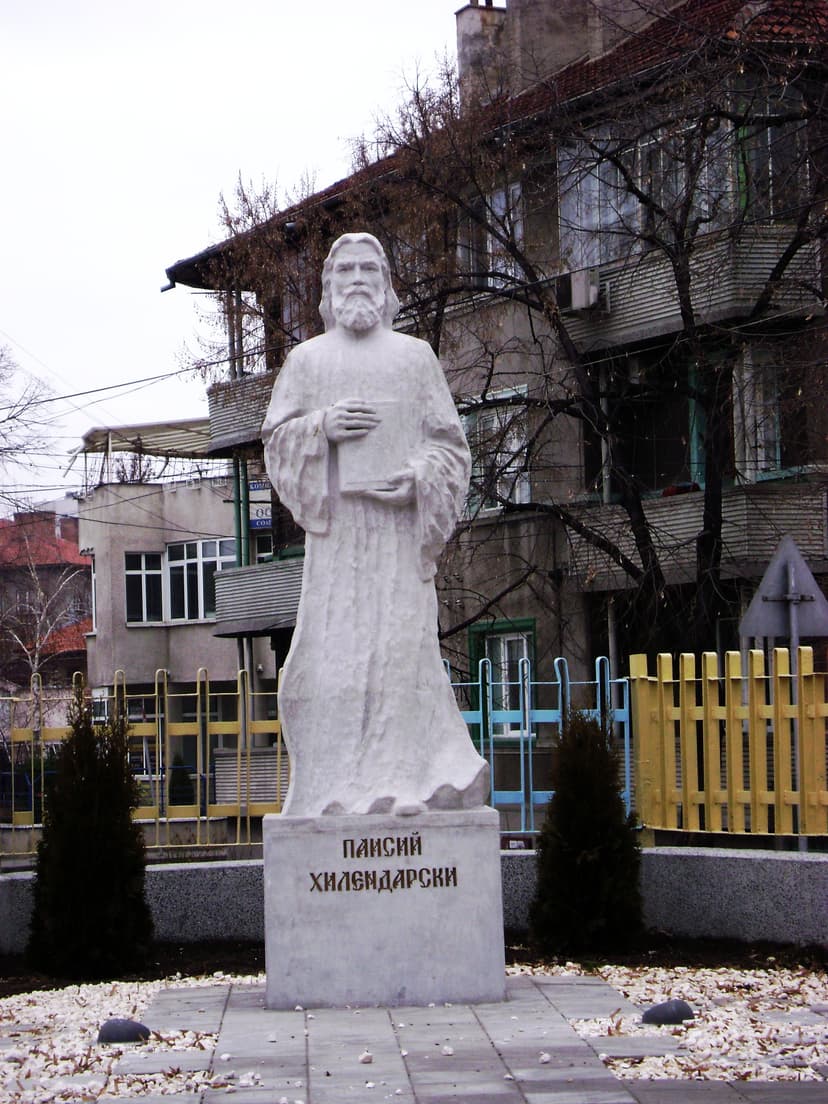
Paisius of Hilendar
Paisius of Hilendar was a Bulgarian Orthodox clergyman and a pivotal figure in the Bulgarian National Revival. He is primarily remembered as the author of "Istoriya Slavyanobolgarskaya" (Slaveno-Bulgarian History), the first significant modern Bulgarian history, which aimed to awaken and strengthen Bulgarian national consciousness. His work is credited with inspiring Bulgarians to embrace their heritage and resist Hellenization.
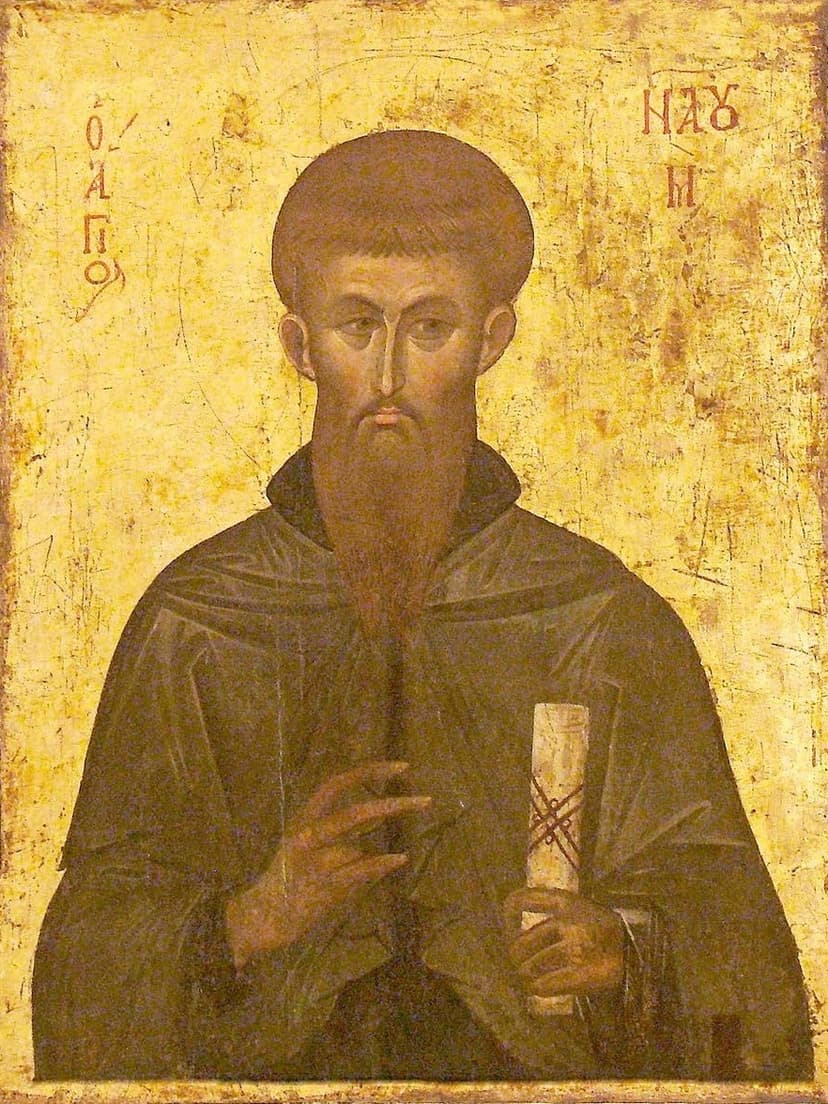
Nahum of Preslav
Saint Naum of Preslav was a medieval Bulgarian writer and missionary, revered as one of the Seven Apostles of the First Bulgarian Empire. He was a key disciple of Cyril and Methodius, instrumental in the development and dissemination of the Glagolitic and Cyrillic scripts, and a founder of important literary schools. Naum is chiefly remembered for his significant role in promoting Slavic literacy and contributing to the formation of a distinct Bulgarian identity.