
Euthymius the Great
January 20·5th century·Palestine
Euthymius the Great was an influential abbot and hermit in 5th-century Palestine, renowned for founding several monasteries in the Judaean Desert. He played a crucial role in promoting the decisions of the Council of Chalcedon in Jerusalem, despite opposition from local monks. Euthymius is remembered for his commitment to solitary monasticism while also guiding a significant monastic community and influencing the region's theological landscape.
Key Facts
- ›Born in Melitene, Lesser Armenia, in 377 to a noble and pious family.
- ›Ordained by Bishop Otreius of Melitene and placed in charge of monasteries in the diocese.
- ›Founded the monastery of Theoctistus in 411 after living as a hermit near Jerusalem.
- ›Established the monastery of Caparbaricha in 422.
- ›Developed his own hermitage, which evolved into the Laura of Euthymius, a significant monastic settlement.
- ›Died on January 20, 473, at the age of 96.
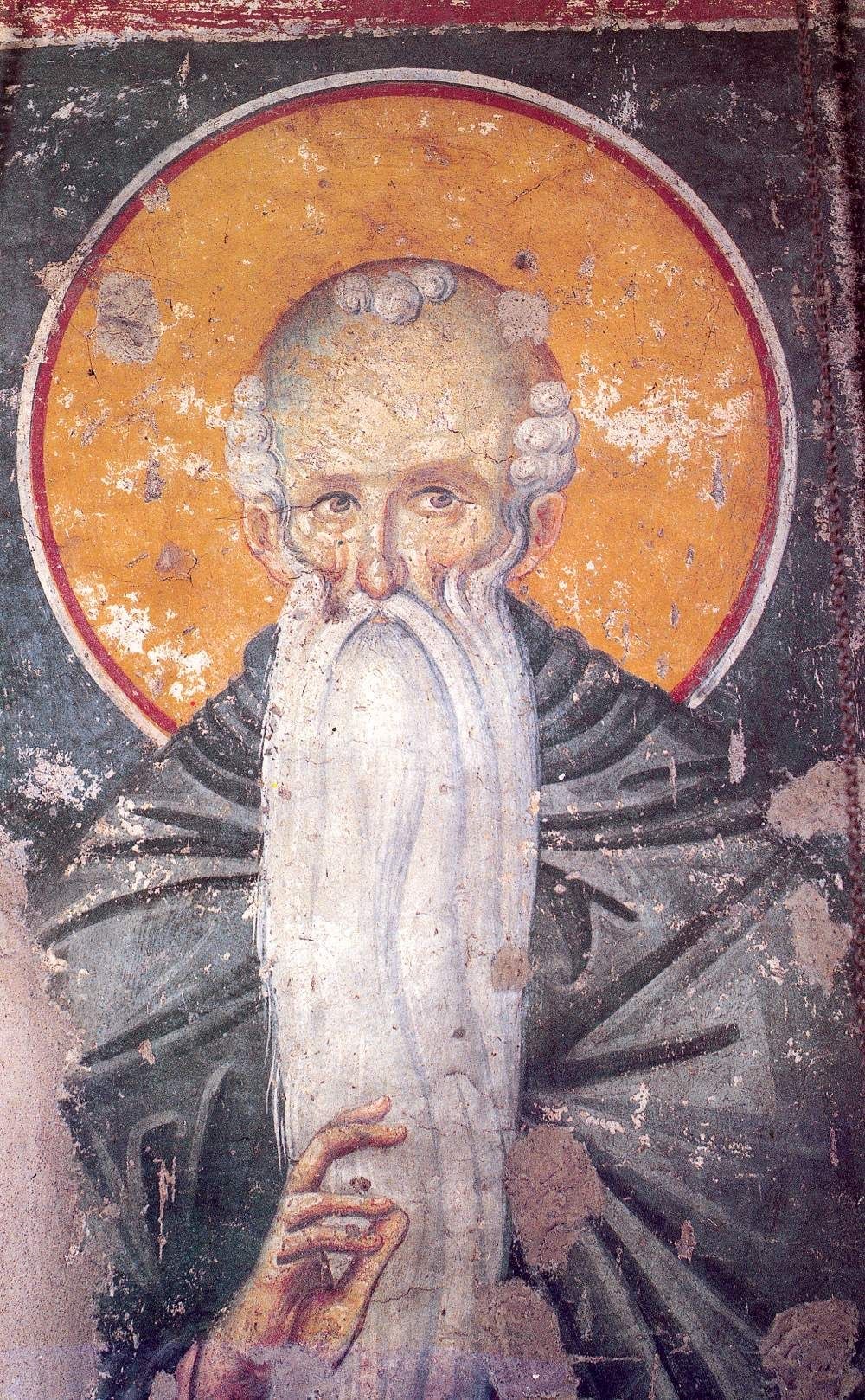
About Euthymius the Great
Euthymius the Great (377 – 20 January 473) was a prominent abbot and hermit in 5th-century Palestine, widely venerated in both the Roman Catholic and Eastern Orthodox Churches. His life, meticulously documented by Cyril of Skythopolis, exemplifies a devotion to solitary monasticism deeply rooted in the Egyptian tradition, while also demonstrating a significant engagement with the ecclesiastical and theological affairs of his time.
Early Life and Ordination
Born in Melitene, Lesser Armenia, to a noble and pious family, Euthymius was named for the meaning of "good cheer." He received his education from Bishop Otreius of Melitene, who later ordained him and entrusted him with the oversight of all monasteries within the diocese. This early responsibility foreshadowed his later leadership in monastic foundations.
Monastic Foundations and Hermitage
In 405 or 406, Euthymius embarked on a pilgrimage to Jerusalem, where he established a solitary hermitage. His commitment to a contemplative life led him to seek greater solitude, moving with a fellow hermit, Theoctistus, into the wilderness. Their presence attracted disciples, leading to the establishment of the Monastery of Theoctistus, one of the first communal monastic settlements in the Judaean Desert. Euthymius, however, continued to seek greater peace, founding further communities, including the monastery of Caparbaricha and establishing his own hermitage which eventually developed into the Laura of Euthymius.
Role in Theological Disputes
Beyond his ascetic pursuits, Euthymius the Great played a pivotal role in the theological landscape of 5th-century Palestine. He was a staunch supporter of the Orthodox faction during the turbulent periods surrounding the Councils of Ephesus and Chalcedon. His authority and influence were instrumental in helping the decrees of the Council of Chalcedon gain acceptance in Jerusalem, even amidst significant opposition from local monastic communities. His efforts were crucial in consolidating the Orthodox position, and he is credited with converting Empress Eudoxia to Orthodoxy. By the 450s, his laura stood at the center of a network of monasteries and churches, solidifying his position as a leader of the monastic movement in the Judaean Desert.
Death and Legacy
Euthymius the Great lived a remarkably long life, remaining in good health until his death at the age of 96 on January 20, 473. He was buried within his monastery. His legacy endures through the monastic communities he founded and his significant contribution to the theological and spiritual life of the early Church in the Holy Land.
Source: Wikipedia ↗
Frequently Asked Questions
Who was Euthymius the Great?
Euthymius the Great was an influential abbot and hermit who lived in Palestine during the 5th century. He is recognized for founding several monasteries in the Judaean Desert and for his role in promoting the decisions of the Council of Chalcedon.
Where did Euthymius the Great live and work?
Euthymius the Great was born in Melitene, Lesser Armenia, but spent most of his monastic life in Palestine, particularly in the Judaean Desert near Jerusalem. He established monasteries and hermitages in this region.
What is Euthymius the Great remembered for?
He is remembered for his deep commitment to solitary monasticism and his founding of important monastic settlements like the Monastery of Theoctistus and the Laura of Euthymius. He also played a significant role in the theological disputes of his time, supporting the Chalcedonian position.
When did Euthymius the Great live?
Euthymius the Great was born in 377 and died on January 20, 473. His life and work took place primarily in the 5th century.
What was Euthymius the Great's connection to the Council of Chalcedon?
Euthymius the Great was a decisive proponent of the decisions of the Council of Chalcedon (451) in Jerusalem. Despite a majority of monks in the region opposing it, he worked to ensure its acceptance, significantly influencing the theological direction of the area.
Related Saints

Gerasimus of the Jordan
Gerasimus of the Jordan was a 5th-century Christian saint, monk, and abbot known for his ascetic life and establishment of a monastery near the Jordan River. He is chiefly remembered for the widely known anecdote of taming a lion by removing a thorn from its paw and for his spiritual guidance and healing of the sick.
Hilarion
Hilarion was a Christian anchorite, considered the founder of Palestinian monasticism. He lived as a hermit in the desert near Gaza, following the example of Anthony the Great, and is venerated for his asceticism and miraculous deeds.
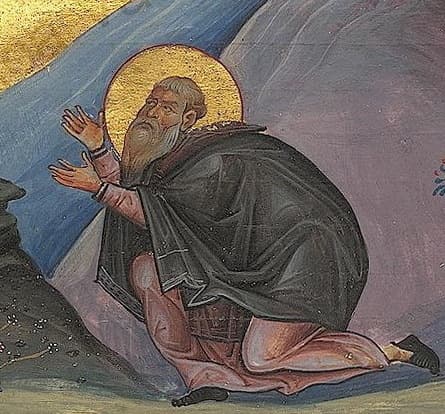
Hilarion the Great
Hilarion the Great was a 4th-century Christian anchorite and hermit, considered the founder of Palestinian monasticism. He is venerated for his ascetic life, miracles, and spiritual guidance, exemplifying monastic virtues in the tradition of Anthony the Great. Hilarion is remembered for establishing a monastic community near Gaza and for his influence on early Christian monasticism.