
Gerasimus of the Jordan
March 4·5th century·Palestine
Gerasimus of the Jordan was a 5th-century Christian saint, monk, and abbot known for his ascetic life and establishment of a monastery near the Jordan River. He is chiefly remembered for the widely known anecdote of taming a lion by removing a thorn from its paw and for his spiritual guidance and healing of the sick.
Key Facts
- ›Born into a wealthy family in Lycia, he left worldly affairs to become a monk.
- ›He lived as a monk in the Egyptian desert and later in Palestine near the Jordan River.
- ›He established a monastery and was known for his righteous life of asceticism and prayer.
- ›He is reputed to have attended the Fourth Ecumenical Council at Chalcedon in 451.
- ›The anecdote of Gerasimus and the lion, where he tamed a wild beast, became famous.
- ›His feast day is celebrated on March 4 by the Eastern Orthodox Church and March 5 by the Roman Catholic Church.

Abba Gerasimus, Holy Righteous Father Gerasimus of Jordan, Gerasimos, Gerasim
Lion
About Gerasimus of the Jordan
Gerasimus of the Jordan was a Christian saint, monk, and abbot who lived in the 5th century AD. Born into a wealthy family in Lycia, in the southern part of Asia Minor, he renounced his worldly possessions and family wealth to embrace a monastic life. His early monastic journey took him to the Egyptian desert in the region of Thebaid, after which he returned to his native Lycia before eventually settling in Palestine.
Life and Ministry
Around the middle of the 5th century, Gerasimus moved to Palestine and established a monastery in the wilderness near the Jordan River. He became renowned for his exceptionally righteous life, characterized by deep asceticism and constant prayer. Historical accounts suggest he may have attended the Fourth Ecumenical Council held at Chalcedon in 451 AD. His monastery, the Monastery of St. Gerasimus, located near Jericho, is still commemorated today, with the Greek Orthodox monastery of Deir Hajla linked to his former lavra.
The Lion Anecdote and Legacy
Gerasimus is widely remembered for the popular anecdote of his encounter with a lion. According to tradition, he soothed and tamed a wounded lion by removing a thorn from its paw. The beast subsequently became obedient to him, serving him until its own death, which occurred in grief upon Gerasimus's grave. This tale, sometimes paralleled with accounts of St. Jerome, highlights Gerasimus's compassion and spiritual authority. His feast day is observed on March 4 in the Eastern Orthodox Church and on March 5 in the Roman Catholic Church.
Source: Wikipedia ↗
Frequently Asked Questions
When did Gerasimus of the Jordan live?
Gerasimus of the Jordan was a monk and abbot who lived in the 5th century AD. He died in 475 AD, though some accounts suggest 451 AD.
What is Gerasimus of the Jordan best known for?
He is best known for his righteous life of asceticism and prayer, and for establishing a monastery near the Jordan River. The famous anecdote of him taming a lion by removing a thorn from its paw is a significant part of his veneration.
Where did Gerasimus of the Jordan live?
After leaving his native Lycia, Gerasimus first lived in the Thebaid region of the Egyptian desert. He later moved to Palestine, settling in the wilderness near the Jordan River where he established his monastery.
What is the significance of the lion in stories about Gerasimus of the Jordan?
The lion is a key element in a famous anecdote about Gerasimus. He is said to have tamed a wild lion by kindly removing a thorn from its paw, after which the animal remained obedient to him until his death.
When is the feast day of Gerasimus of the Jordan?
The feast day of Gerasimus of the Jordan is celebrated on March 4 by the Eastern Orthodox Church and on March 5 by the Roman Catholic Church.
Related Saints
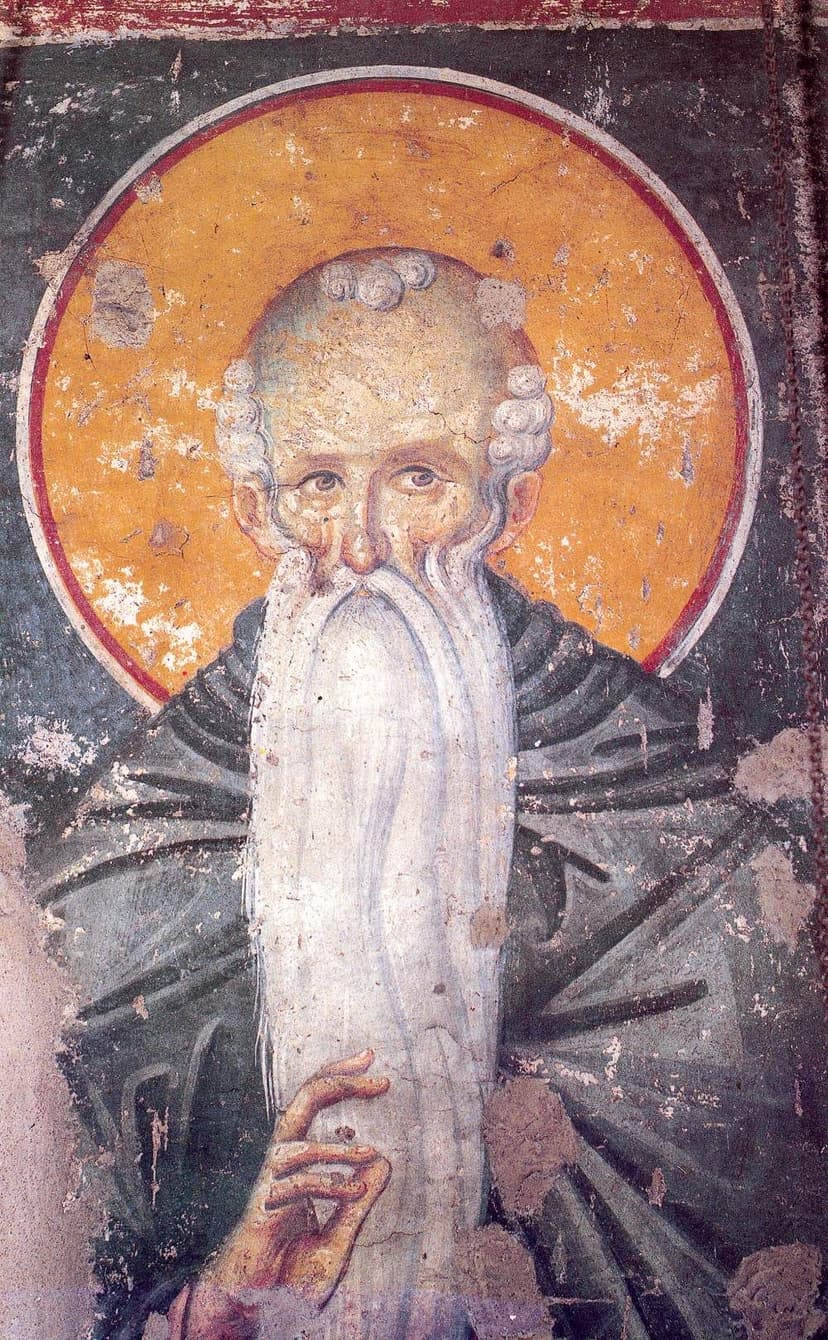
Euthymius the Great
Euthymius the Great was an influential abbot and hermit in 5th-century Palestine, renowned for founding several monasteries in the Judaean Desert. He played a crucial role in promoting the decisions of the Council of Chalcedon in Jerusalem, despite opposition from local monks. Euthymius is remembered for his commitment to solitary monasticism while also guiding a significant monastic community and influencing the region's theological landscape.
Marie-Alphonsine Danil Ghattas
Marie-Alphonsine Danil Ghattas was a Palestinian Catholic nun and the founder of the Dominican Sisters of the Most Holy Rosary of Jerusalem, the first Palestinian religious congregation. She is remembered for her lifelong dedication to serving the poor and educating girls in Palestine, and for her canonization in 2015.
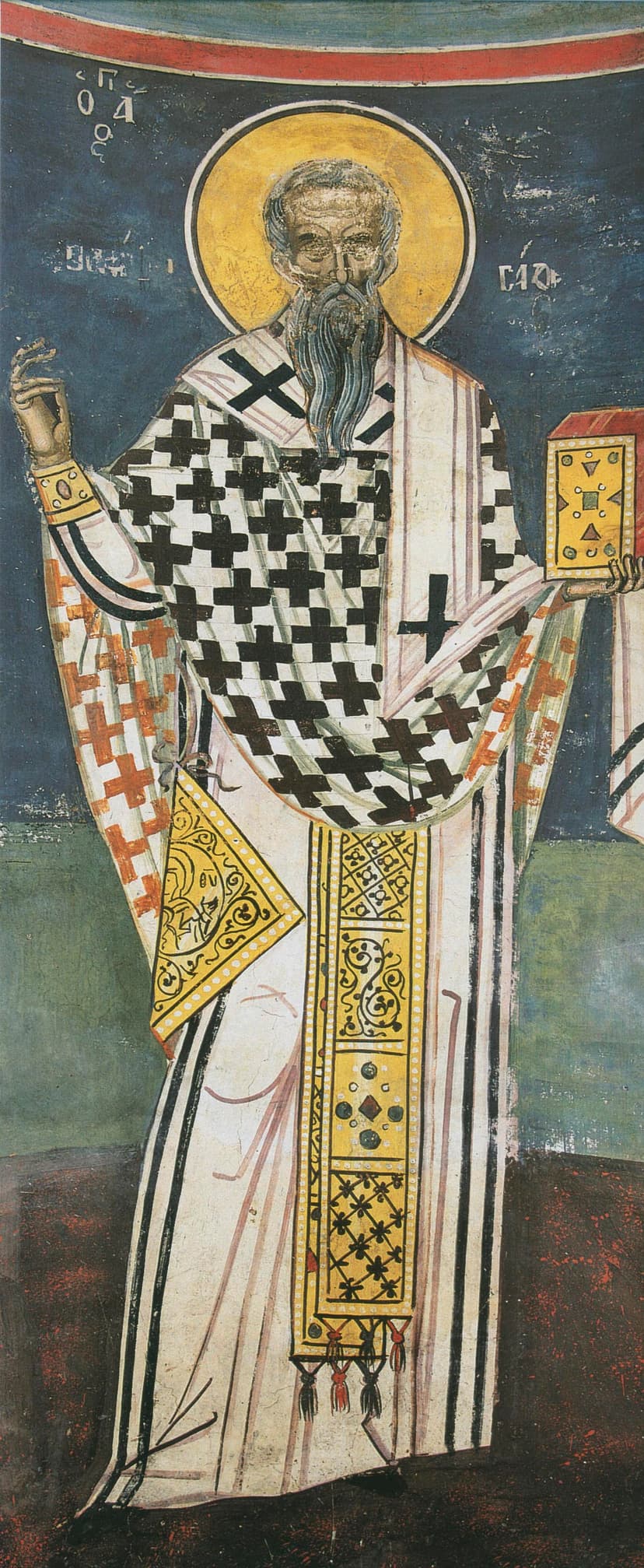
Porphyrius of Gaza
Porphyrius of Gaza was the bishop of Gaza from 395 to 420. He is primarily remembered for his efforts to Christianize the pagan city of Gaza, which involved the demolition of its temples. His life and episcopate are known mainly from the Vita Porphyrii, a biography by Mark the Deacon, though modern scholarship debates its historical accuracy.