
Paisius of Hilendar
June 19·18th century·Bulgaria
Paisius of Hilendar was a Bulgarian Orthodox clergyman and a pivotal figure in the Bulgarian National Revival. He is primarily remembered as the author of "Istoriya Slavyanobolgarskaya" (Slaveno-Bulgarian History), the first significant modern Bulgarian history, which aimed to awaken and strengthen Bulgarian national consciousness. His work is credited with inspiring Bulgarians to embrace their heritage and resist Hellenization.
Key Facts
- ›Paisius of Hilendar was born in the Samokov eparchy around 1722.
- ›He joined the Hilandar Monastery in 1745, serving as a hieromonk and deputy abbot.
- ›His seminal work, "Istoriya Slavyanobolgarskaya," was completed in 1762.
- ›The book was the first attempt to write a complete history of Bulgaria and encourage national pride.
- ›He is considered the forefather of the Bulgarian National Revival.
- ›Paisius of Hilendar was canonized by the Bulgarian Orthodox Church in 1962 with the title "Venerable".
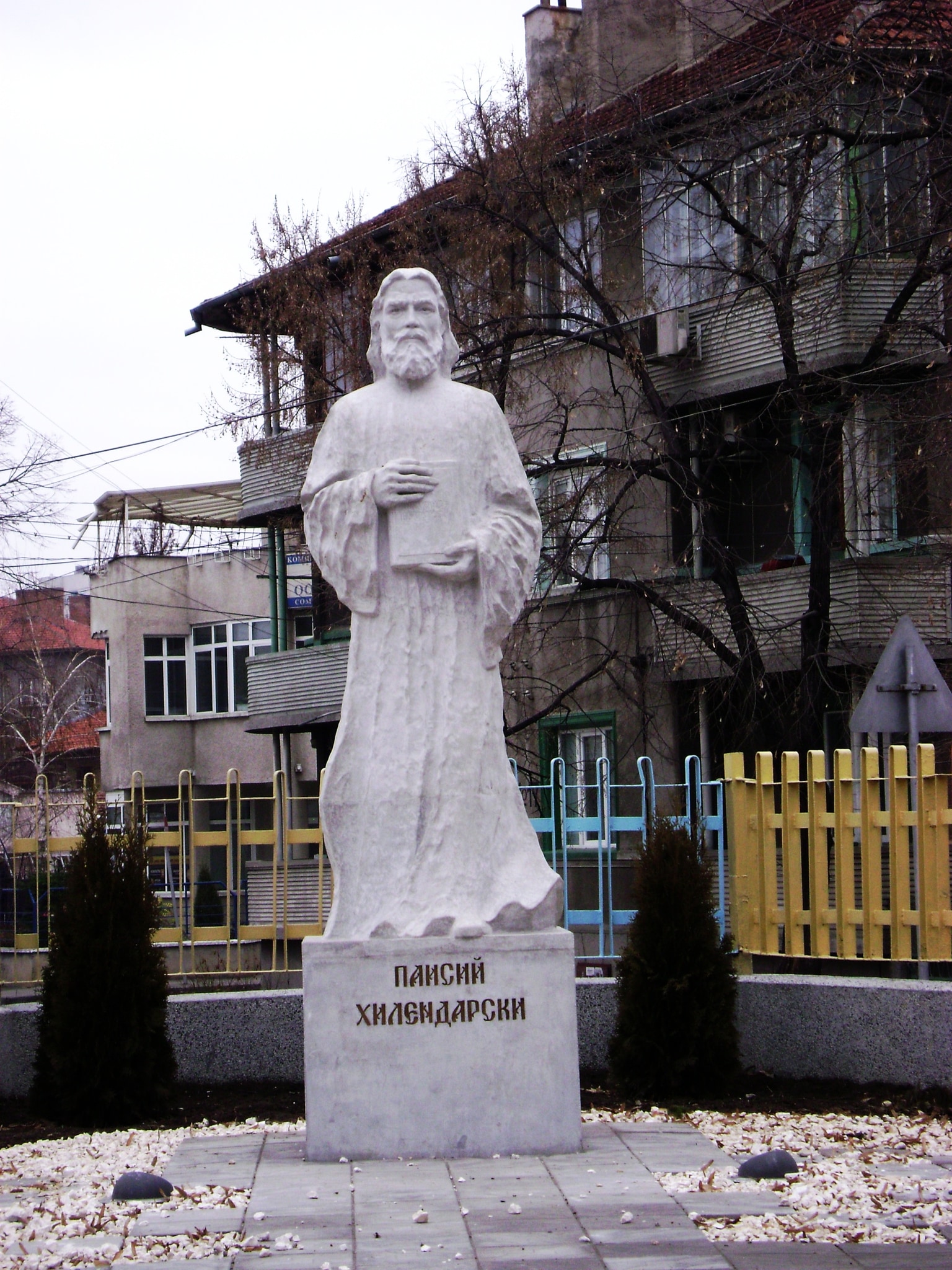
Paìsiy Hilendàrski, Saint Paisius of Hilendar
About Paisius of Hilendar
Paisius of Hilendar (c. 1722–1773) was a Bulgarian Orthodox clergyman and a central figure of the Bulgarian National Revival. His enduring legacy is primarily tied to his authorship of "Istoriya Slavyanobolgarskaya" (Slaveno-Bulgarian History), completed in 1762. This work is recognized as the first significant modern history of Bulgaria and played a crucial role in fostering Bulgarian national consciousness.
Life and Ministry
Born in the Samokov eparchy, with Bansko often cited as his birthplace, Paisius later joined the Hilandar Monastery on Mount Athos in 1745. There, he rose to the rank of hieromonk and served as deputy abbot. His dedication to historical research involved collecting materials over two years, even venturing to the Habsburg monarchy, before finishing his monumental history in the Zograf Monastery.
"Istoriya Slavyanobolgarskaya"
This seminal work was the first comprehensive attempt to chronicle Bulgarian history, aiming to awaken and strengthen the national spirit of the Bulgarian people. A particularly famous passage from the book directly addresses Bulgarians, urging them not to be ashamed of their heritage, language, and glorious past, and warning against the dangers of adopting Greek culture and identity due to the influence of the Greek clergy. The book's structure included introductions, historical accounts, a chapter on "Slavic teachers" and their disciples, a section on Bulgarian saints, and an epilogue.
Veneration and Legacy
Paisius of Hilendar was canonized by the Bulgarian Orthodox Church on June 26, 1962, receiving the title "Venerable." He is commemorated in the Eastern Orthodox Church, especially within Bulgaria, with a feast day on June 19. His influence is further marked by geographical and numismatic honors, including a peak in Antarctica named after him and his depiction on Bulgarian banknotes and coins.
Source: Wikipedia ↗
Frequently Asked Questions
Who was Paisius of Hilendar?
Paisius of Hilendar was a Bulgarian Orthodox clergyman and a key figure in the Bulgarian National Revival in the 18th century. He is most famous for writing "Istoriya Slavyanobolgarskaya" (Slaveno-Bulgarian History).
What is Paisius of Hilendar most famous for?
He is most famous for authoring "Istoriya Slavyanobolgarskaya" in 1762, the first significant modern Bulgarian history. This book aimed to awaken and strengthen Bulgarian national consciousness and is considered the forefather of the Bulgarian National Revival.
When and where was Paisius of Hilendar born?
Paisius of Hilendar was born around 1722 in the Samokov eparchy, with the town of Bansko being the prevailing consensus for his exact birthplace.
Where did Paisius of Hilendar live and work?
He established himself in the Hilandar Monastery in 1745, where he served as a hieromonk and deputy abbot. He later completed his history in the Zograf Monastery.
What was the purpose of "Istoriya Slavyanobolgarskaya"?
The book was intended to awaken and strengthen Bulgarian national consciousness, urging Bulgarians not to be ashamed of their language and history, and to resist the Hellenization policies of the Greek clergy.
How is Paisius of Hilendar venerated?
Paisius of Hilendar was canonized by the Bulgarian Orthodox Church in 1962 with the title "Venerable." He is venerated in the Eastern Orthodox Church, particularly in Bulgaria, and shares a feast day on June 19.
Related Saints
Alcuin
Alcuin of York was an influential Anglo-Latin scholar, clergyman, poet, and teacher from Northumbria. He is considered one of the most important intellectual architects of the Carolingian Renaissance, significantly shaping education and scholarship at Charlemagne's court. Alcuin is remembered for his theological writings, his role in liturgical reform, and his efforts in standardizing Carolingian minuscule script.
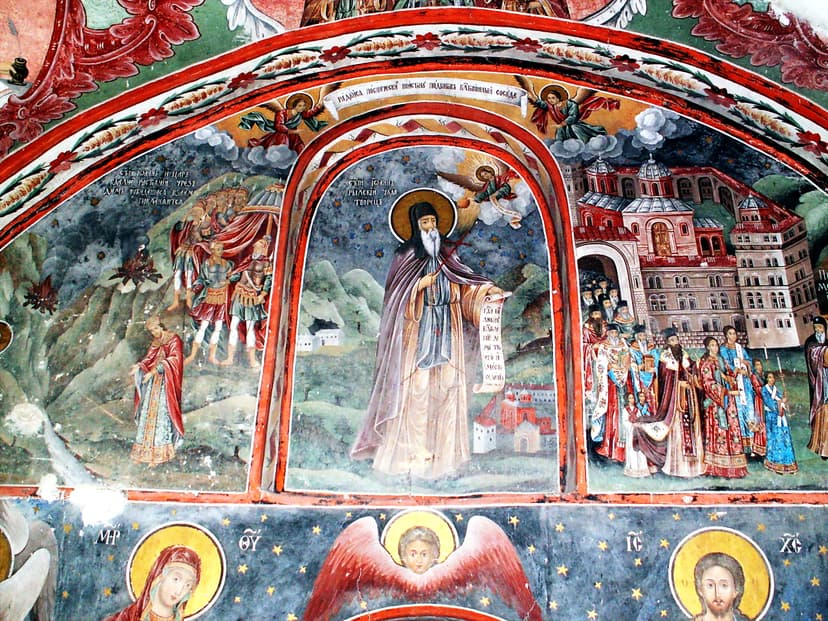
John of Rila
Saint John of Rila was the first Bulgarian hermit, revered for his ascetic life and miracles. He is honored as the patron saint of the Bulgarians and is one of the most important figures in the Bulgarian Orthodox Church. His legacy is tied to the founding of the Rila Monastery and his Testament, a moral message to his people.
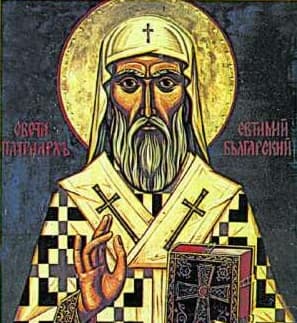
Euthymius of Tarnovo
Euthymius of Tarnovo was the last Patriarch of Bulgaria in the Second Bulgarian Empire, serving from 1375 to 1393. He is considered one of medieval Bulgaria's most significant figures, known for his support of hesychasm and his authoritative role in the Eastern Orthodox world. Euthymius is chiefly remembered for his extensive literary and linguistic reforms, which standardized Church Slavonic texts for Orthodox churches across Eastern Europe.