
Talley Abbey
Talley Abbey, also known as Abaty Talyllychau, was a ruined monastery of the Premonstratensian Order located in the village of Talley, Carmarthenshire, Wales. Founded around 1185 by Rhys ap Gruffydd, it was part of a significant monastic network across Europe. The abbey was dissolved by Henry VIII, and its stones were largely repurposed for local buildings, leaving behind only ruins today.
Key Facts
- ›Founded by Rhys ap Gruffydd in or about 1185.
- ›Belonged to the Premonstratensian Order, also known as 'White Canons'.
- ›The site is maintained by Cadw and access is free.
- ›The ruins were a source of building material for the present village and its chapel.
- ›Two lakes near the abbey were used for fish farming to support the monks.
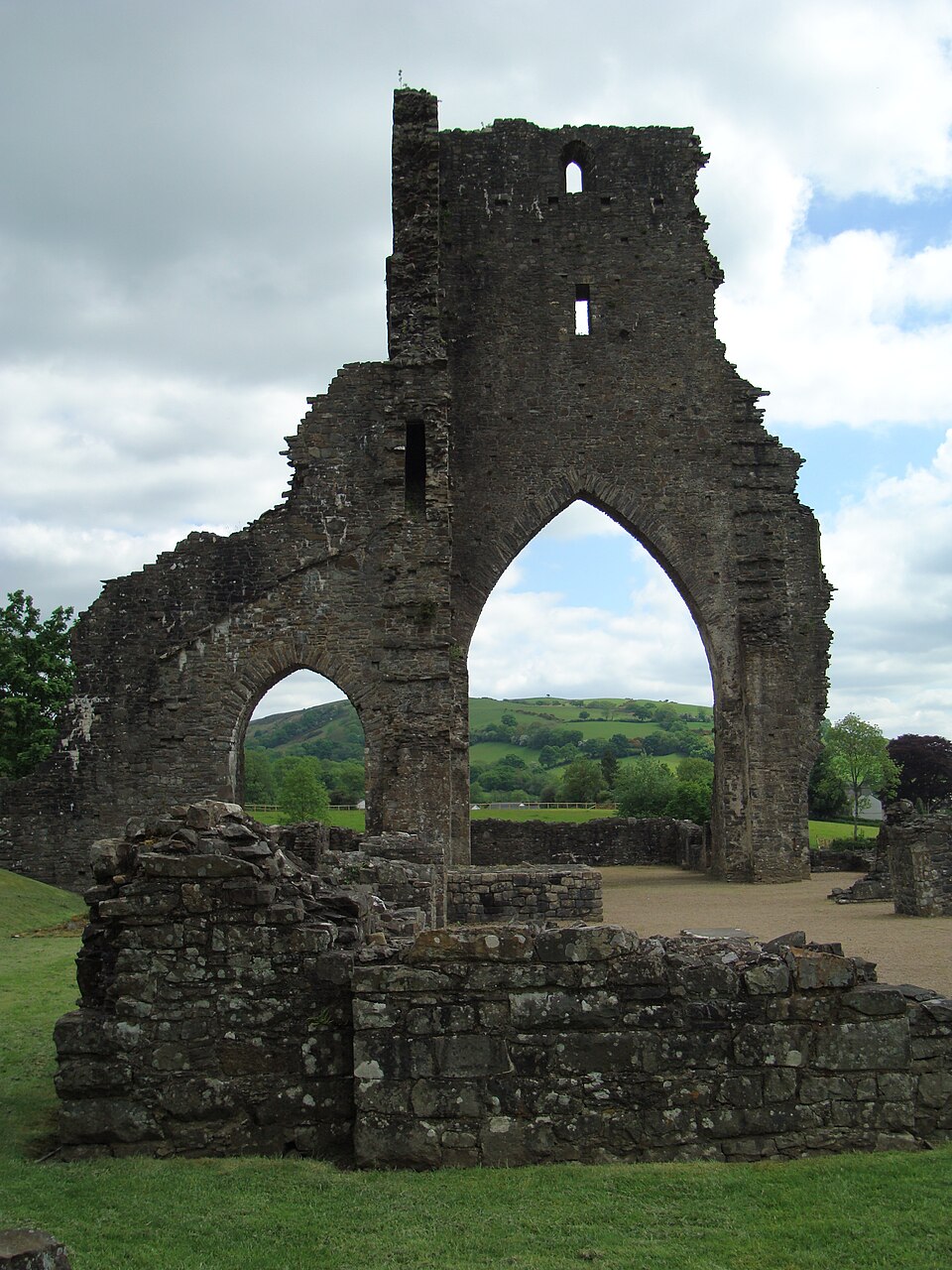
Two Lakes Used For Fish Farming, Ruinous Tower, Steep Wooded Hills Surrounding the Site
Abaty Talyllychau
Rhys Ap Gruffydd
- Dissolution of the Monasteries Under Henry Viii
About Talley Abbey
Talley Abbey, known in Welsh as Abaty Talyllychau, stands as a testament to the monastic past of Carmarthenshire, Wales. Situated in the village of Talley within the picturesque River Cothi valley, this former Premonstratensian monastery is now a collection of ruins maintained by Cadw. Its foundation in or about 1185 by Rhys ap Gruffydd marked it as a significant ecclesiastical establishment in the region.
History and Description
The Premonstratensian Order, founded in 1120, established a widespread network of houses across Europe. Talley Abbey was one such foundation, contributing to the religious and economic life of the area. Historically, the site was noted for two lakes adjacent to the abbey, which served as a vital resource for fish farming, supporting the community of monks. The abbey's dissolution under Henry VIII led to its decline; the structure was subsequently quarried by villagers, with stones from the abbey being used in the construction of much of the present village and the chapel located beside the ruins. Today, the ruinous tower is visible, set amidst steep, wooded hills, accessible via a winding lane.
Legacy and Accessibility
While the monastic community is long gone, the remnants of Talley Abbey continue to draw interest. Access to the site is free, allowing visitors to explore the grounds and imagine its former grandeur. The abbey's location, though somewhat circuitous to reach from the main road, is well signposted. It serves as a poignant reminder of Wales's rich monastic heritage and the architectural and historical shifts that shaped its landscape.
Source: Wikipedia ↗
Frequently Asked Questions
When was Talley Abbey founded?
Talley Abbey was founded by Rhys ap Gruffydd in or about the year 1185. This places its establishment in the late 12th century.
What religious order was Talley Abbey part of?
Talley Abbey was a monastery of the Premonstratensian Order, often referred to as 'White Canons'. This order was founded in 1120 and had numerous houses across western Europe.
What is the current status of Talley Abbey?
Talley Abbey is now a ruin. It was dissolved by Henry VIII, and much of its structure was quarried by villagers for local construction, including the chapel next to the abbey.
Who maintains Talley Abbey today?
The site of Talley Abbey is maintained by Cadw, a Welsh government agency responsible for historic monuments. Access to the ruins is free.
What notable features are associated with Talley Abbey's location?
The abbey is situated in the River Cothi valley and is known for two large lakes nearby, which were historically used for fish farming to support the monastic community. The ruins are surrounded by steep wooded hills.
Related Monasteries

Basingwerk Abbey
Basingwerk Abbey, located near Holywell in Flintshire, Wales, was a ruined Cistercian monastery founded in 1132. It played a strategic role in medieval Welsh history and maintained extensive lands, notably in Derbyshire. Following its dissolution in 1536, the abbey's assets were dispersed, and its buildings fell into ruin, though parts were later repurposed. Today, the site is managed by Cadw and is a Grade I listed ruin within Greenfield Valley Heritage Park.

Llanthony Priory
Llanthony Priory is a ruined Augustinian priory located in the secluded Vale of Ewyas, south-east Wales. Founded around 1100, it became the first priory of Canons Regular in Wales and was a significant medieval building. Despite periods of rebuilding and later attempts at domestic conversion, it ultimately fell into ruin after the Dissolution of the Monasteries.

St Dogmaels Abbey
St Dogmaels Abbey, originally founded in 1115 by the Fitzmartin family, was a medieval Benedictine monastery established by the Order of Tiron. Situated on the banks of the River Teifi in Pembrokeshire, Wales, it experienced periods of destruction and rebuilding before its dissolution in 1536. Today, it stands as a Grade I listed ruin, with significant portions of its structures preserved, attracting visitors and hosting events.