
Sweetheart Abbey
Sweetheart Abbey, originally named the Abbey of Dulce Cor, was a Cistercian monastery founded in 1273 by Dervorguilla of Galloway in memory of her husband, John de Balliol. Known for its deep-red sandstone construction and dedication to St Mary the Virgin, the abbey played a significant role in the region's religious and agricultural life. Despite periods of damage and eventual suppression during the Scottish Reformation, its substantial ruins remain a prominent landmark.
Key Facts
- ›Founded in 1273 by Dervorguilla of Galloway as a memorial to her husband, John de Balliol.
- ›Named Dulce Cor (Latin for Sweet Heart) due to Dervorguilla keeping her husband's embalmed heart.
- ›Built from local deep-red sandstone in the Early English architectural style.
- ›Served as a daughter house to Dundrennan Abbey, hence its local name, 'New Abbey'.
- ›The abbey church measured 203 feet long with a central tower rising to 92 feet.
- ›Suppressed during the Scottish Reformation, with the last monk dying in 1624.
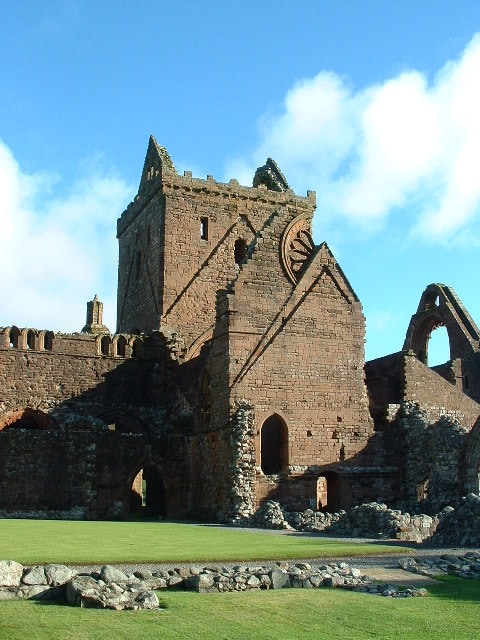
Early English
Ruins Dominating the Skyline, Deep-Red Sandstone Construction, Abbey Church Dedicated To St Mary the Virgin, Remnants of Surrounding Wall
Abbey of Dulce Cor, An Abaid Ur, New Abbey
Dervorguilla of Galloway, John De Balliol, Henry, Gilbert Broun, Archibald Douglas, 3rd Earl of Douglas, Sir Robert Spottiswoode
- Founded In 1273
- Residency of King Edward I In 1300
- Suffered Damage During the First War of Scottish Independence
- Repaired and Rebuilt By Archibald Douglas
- Suppressed During the Scottish Reformation
- Commendatory Abbots Appointed From 1565
- Last Monk Died In 1624
- Lands Transferred To Sir Robert Spottiswoode
About Sweetheart Abbey
The Abbey of Dulce Cor, more commonly known as Sweetheart Abbey, stands as a significant historical ruin in the village of New Abbey, Dumfries and Galloway, Scotland. Founded in 1273 by Dervorguilla of Galloway, the abbey was established as a memorial to her late husband, John de Balliol. Its Latin name, Dulce Cor, translates to 'Sweet Heart,' reflecting Dervorguilla's profound devotion; she famously kept her husband's embalmed heart with her throughout her life and it was buried with her.
History and Construction
Under its first abbot, Henry, the abbey was constructed from local, deep-red sandstone, exhibiting characteristics of the Early English architectural style. It functioned as a daughter house of nearby Dundrennan Abbey, leading to its local designation as the "New Abbey." The abbey church, dedicated to St Mary the Virgin, was a substantial structure, measuring 203 feet in length with a central tower reaching 92 feet high. The immediate precincts covered 30 acres, with sections of its surrounding wall still visible today.
Role and Vicissitudes
As a Cistercian monastery, Sweetheart Abbey was involved in more than just prayer and contemplation. Its members, often recognized as the "White Monks" due to their habit, were active in farming and commercial ventures, making the abbey a vital center for local life and agricultural development. During the First War of Scottish Independence, King Edward I of England stayed at the abbey in 1300. However, subsequent warfare left the abbey in a dilapidated state, described as suffering from "outstanding and notorious poverty." A significant period of repair and rebuilding was financed by Archibald Douglas, 3rd Earl of Douglas.
Suppression and Later Years
Sweetheart Abbey continued in relative quiet until its suppression during the Scottish Reformation. From 1565, the Scottish crown appointed commendatory abbots. The final Cistercian abbot, Gilbert Broun, who died in 1612, steadfastly upheld the Catholic faith. He faced charges of promoting "papistrie" and was eventually exiled in 1605. By 1624, the last of the monks had died, and the abbey's buildings and lands passed to Sir Robert Spottiswoode. The estate later saw complex transfers involving the Crown and the proposed Diocese of Edinburgh.
Legacy
Today, the striking ruins of Sweetheart Abbey remain a prominent landmark, evoking its past influence on the religious, agricultural, and social fabric of the region. The village adjacent to the ruins is now known as New Abbey. A 14th-century prayer book, The Sweetheart Abbey Breviary, is preserved in the National Library of Scotland.
Source: Wikipedia ↗
Frequently Asked Questions
When was Sweetheart Abbey founded?
Sweetheart Abbey was founded in 1273. It was established by Dervorguilla of Galloway.
Why is it called Sweetheart Abbey?
The abbey was named Dulce Cor, which is Latin for Sweet Heart. This was in commemoration of Dervorguilla of Galloway's devotion to her late husband, John de Balliol, whose embalmed heart she kept with her.
What religious order was Sweetheart Abbey a part of?
Sweetheart Abbey was a Cistercian monastery. The Cistercian Order members were often known as the White Monks.
What is the current status of Sweetheart Abbey?
The abbey is now in ruins and dominates the skyline of the modern village of New Abbey. While the buildings are ruined, the site is a significant historical landmark.
What was the historical significance of Sweetheart Abbey?
Beyond its religious function, Sweetheart Abbey was a center for farming and commercial activity, influencing local agriculture and life. Its Abbot was a member of the First Estate and sat in Parliament.
Were any notable figures buried at Sweetheart Abbey?
The foundress, Dervorguilla of Galloway, and her husband John de Balliol were buried there, although their graves were lost following later depredations. Other notable burials include William Paterson, founder of the Bank of England.
Related Monasteries
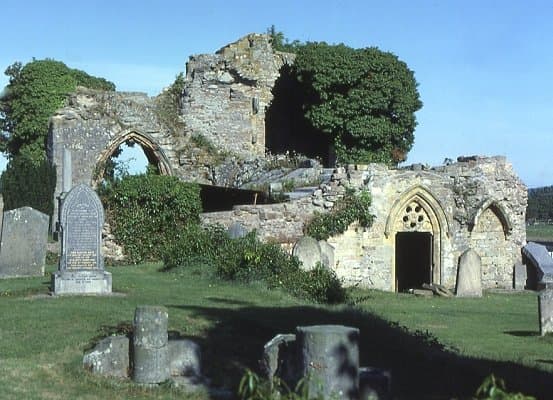
Kinloss Abbey
Kinloss Abbey was a significant Cistercian monastery founded in 1150 by King David I in Moray, Scotland, intended to bring civilization to remote areas. It became one of Scotland's wealthiest religious institutions, known for its valuable fishing rights and the educational initiatives of Abbot Robert Reid. Following the Reformation, its lands were alienated, and the remaining buildings were eventually dismantled, with only ruins surviving today.
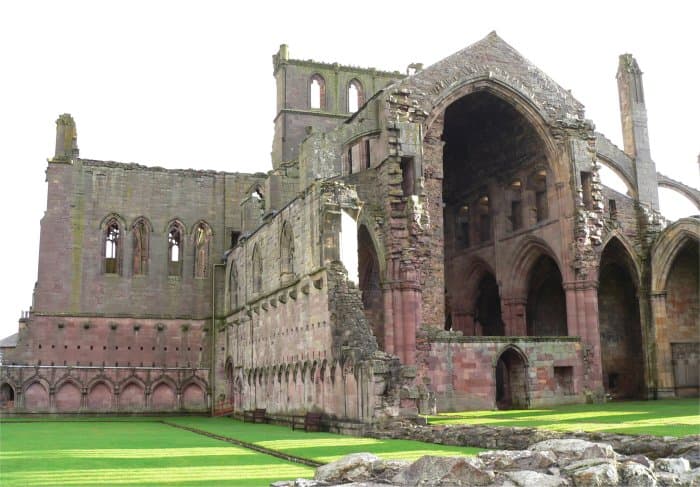
Melrose Abbey
St Mary's Abbey, Melrose, is a predominantly ruined Cistercian monastery in Melrose, Scottish Borders, founded in 1136 by King David I of Scotland. It served as the primary house of the Cistercian order in Scotland until the Reformation and is renowned for its intricate Gothic architecture and decorative carvings. Today, it is maintained by Historic Environment Scotland and is a significant historical and tourist site, notable for the purported burial of Robert the Bruce's heart.
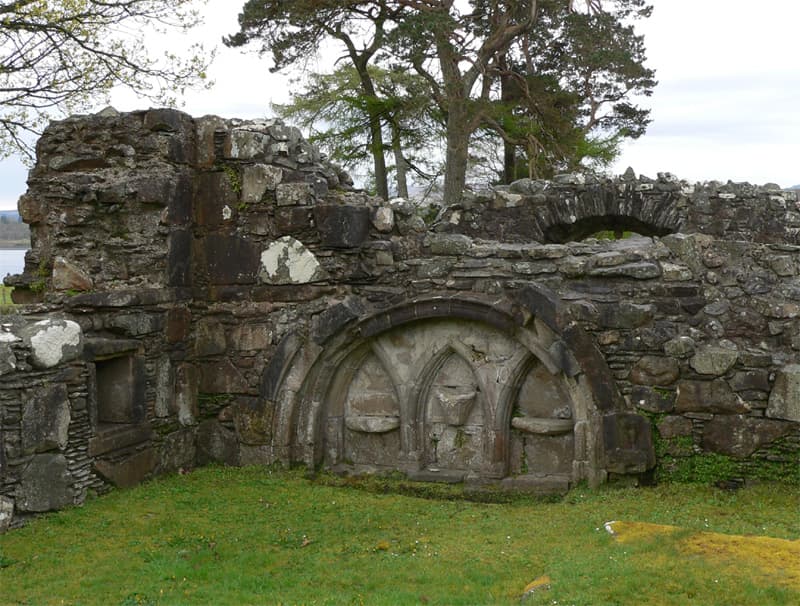
Ardchattan Priory
Ardchattan Priory was a Valliscaulian monastic community established in 1230 by Duncan Macdougall in Ardchattan, Argyll, Scotland. It holds historical significance as the site of a council of local chiefs held by Robert the Bruce in 1308, believed to be the last Gaelic-speaking parliament. Over time, the priory transitioned from its original monastic function, with parts converted into a dwelling and the church eventually falling into disuse and ruin.