
Kinloss Abbey
Kinloss Abbey was a significant Cistercian monastery founded in 1150 by King David I in Moray, Scotland, intended to bring civilization to remote areas. It became one of Scotland's wealthiest religious institutions, known for its valuable fishing rights and the educational initiatives of Abbot Robert Reid. Following the Reformation, its lands were alienated, and the remaining buildings were eventually dismantled, with only ruins surviving today.
Key Facts
- ›Founded in 1150 by King David I of Scotland.
- ›Colonized by monks from Melrose Abbey.
- ›Received valuable salmon fishing rights on the River Findhorn in 1312.
- ›Abbot Robert Reid established an organized education system and a fireproof library.
- ›The abbey's remaining buildings were largely dismantled in the 17th century.
- ›The ruins are designated as a scheduled monument.
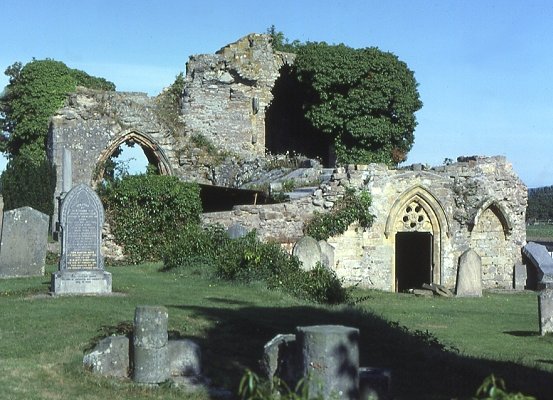
Library Established By Abbot Robert Reid, Abbot's House Constructed In 1537
King David I, Robert the Bruce, James I, James Iv, Edward I, Edward Iii, Mary, Queen of Scots, Robert Reid, Walter Reid, Edward Bruce, Alexander Brodie, John Ferrerius
- Founded In 1150 By King David I.
- Received Papal Bull From Pope Alexander Iii In 1174.
- Came Under Protection of the Bishop of Moray In 1187.
- Received Valuable Salmon Fishing Rights In 1312.
- Visited By Edward I In 1303.
- Visited By Edward Iii In 1336.
- Visited By Mary, Queen of Scots, In 1562.
- Abbot Robert Reid Introduced Organized Education and Built A New Library.
- Abbot Robert Reid Became Bishop of Orkney In 1541.
- Abbot Walter Reid's Abbacy Coincided With the Protestant Reformation.
- Lands Alienated To the Crown During the Reformation.
- Remaining Buildings Conveyed To Alexander Brodie In 1645 and Materials Sold For Cromwell's Citadel.
About Kinloss Abbey
Kinloss Abbey is a historic Cistercian monastery located in Kinloss, within the county of Moray, Scotland. Its foundation in 1150 by King David I was part of a broader royal initiative to extend the benefits of civilization to the kingdom's more remote regions. According to legend, the king was guided to the site by a miraculous encounter with a deer while hunting and later received a vision persuading him to build a church in honor of the Virgin Mary.
Early History and Prosperity
The abbey was initially settled by monks from Melrose Abbey and soon gained significant royal and ecclesiastical favor. It received a Papal Bull from Pope Alexander III in 1174 and came under the protection of the Bishop of Moray in 1187. Over centuries, Kinloss Abbey grew to become one of the largest and wealthiest religious institutions in Scotland. Its prosperity was bolstered by valuable grants, most notably the salmon fishing rights on the River Findhorn, bestowed by Robert the Bruce in 1312 and subsequently confirmed by James I and James IV.
Notable Abbots and Educational Contributions
The abbey was home to 24 abbots during its active period, with Robert Reid being one of its most distinguished figures. Appointed abbot, Reid was instrumental in fostering education, establishing a new fireproof library stocked with his personal volumes, and constructing a new abbot's house in 1537. He was later elevated to Bishop of Orkney in 1541 and, through his will, provided the endowment for the establishment of a college in Edinburgh. During his tenure, Reid also invited John Ferrerius, a scholar from Piedmont, to serve as an educator at Kinloss, during which time Ferrerius documented the abbey's history.
Decline and Legacy
The abbey's fortunes began to shift with the upheavals of the Protestant Reformation in Scotland. Abbot Walter Reid, nephew of Robert Reid, presided over a period where a considerable portion of Kinloss's lands were alienated to the Crown. Following the Reformation, Edward Bruce was granted some lands and fishing rights, becoming Lord Bruce of Kinloss. In 1645, the remaining structures of the abbey were sold to Alexander Brodie of Lethen, who repurposed the materials for the construction of Oliver Cromwell's citadel in Inverness. Today, only ruins of Kinloss Abbey remain, situated within a public graveyard and designated as a scheduled monument, offering a tangible link to Scotland's monastic past.
Source: Wikipedia ↗
Frequently Asked Questions
When was Kinloss Abbey founded?
Kinloss Abbey was founded in the year 1150. It was established by King David I of Scotland with the intention of extending the benefits of civilization to the more remote regions of his kingdom.
What was the religious order of Kinloss Abbey?
Kinloss Abbey belonged to the Cistercian order. It was initially colonized by monks from Melrose Abbey, another prominent Cistercian foundation.
What significant resources did Kinloss Abbey possess?
Kinloss Abbey became one of the largest and wealthiest religious houses in Scotland. Notably, it received valuable salmon fishing rights on the River Findhorn, which were granted by Robert the Bruce and later renewed by subsequent monarchs.
Who was a notable abbot of Kinloss Abbey?
Robert Reid was one of the most renowned abbots of Kinloss Abbey. He introduced organized education, built a new library, and later became the Bishop of Orkney. He also bequeathed funds to establish a college in Edinburgh.
What is the current state of Kinloss Abbey?
Few of the original monastic buildings of Kinloss Abbey remain standing today. The ruins are situated within a graveyard owned by the local authority and are accessible to the public. They are designated as a scheduled monument.
Did Kinloss Abbey have any royal connections?
Yes, Kinloss Abbey received numerous royal visitors throughout its history. These included King Edward I, Edward III, and Mary, Queen of Scots.
Related Monasteries
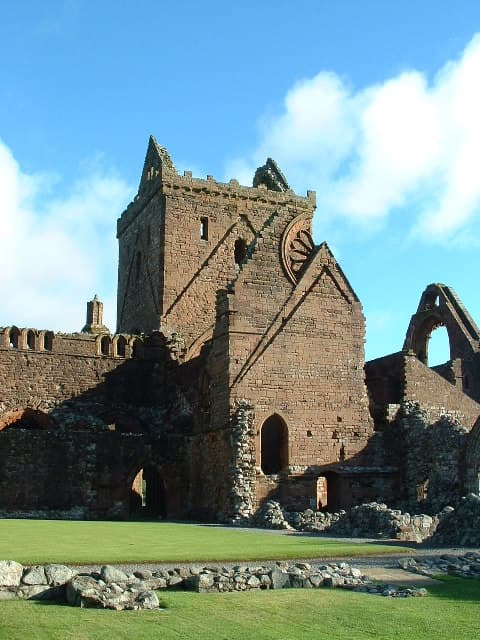
Sweetheart Abbey
Sweetheart Abbey, originally named the Abbey of Dulce Cor, was a Cistercian monastery founded in 1273 by Dervorguilla of Galloway in memory of her husband, John de Balliol. Known for its deep-red sandstone construction and dedication to St Mary the Virgin, the abbey played a significant role in the region's religious and agricultural life. Despite periods of damage and eventual suppression during the Scottish Reformation, its substantial ruins remain a prominent landmark.
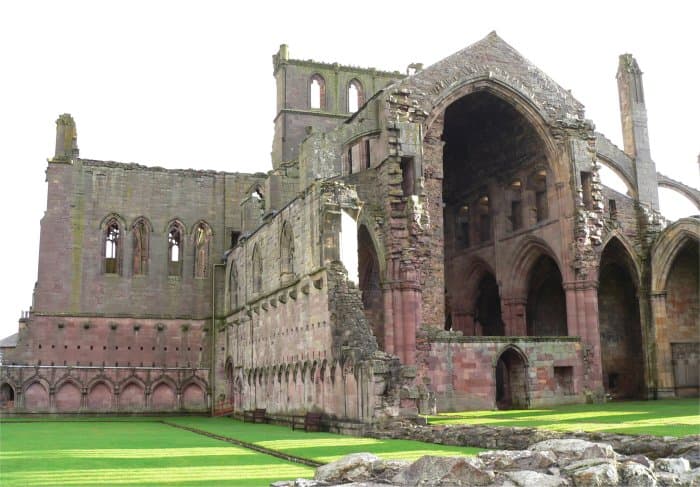
Melrose Abbey
St Mary's Abbey, Melrose, is a predominantly ruined Cistercian monastery in Melrose, Scottish Borders, founded in 1136 by King David I of Scotland. It served as the primary house of the Cistercian order in Scotland until the Reformation and is renowned for its intricate Gothic architecture and decorative carvings. Today, it is maintained by Historic Environment Scotland and is a significant historical and tourist site, notable for the purported burial of Robert the Bruce's heart.
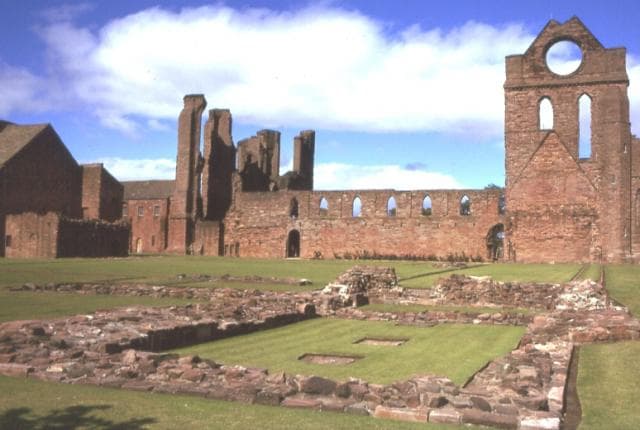
Arbroath Abbey
Arbroath Abbey, a ruined Cistercian monastery located in Arbroath, Scotland, was founded in 1178 by King William the Lion. It is renowned as the site where the Declaration of Scottish Independence was likely drafted in 1320. The Abbey, once the wealthiest in Scotland, is now managed by Historic Environment Scotland and is a popular tourist attraction, notable for its distinctive red sandstone ruins.