
St Rule's Priory
The Cathedral of St Andrew in St Andrews, Fife, Scotland, was a significant center of the Medieval Catholic Church in Scotland, serving as the seat of the Archdiocese of St Andrews. Founded in 1158, it was built to replace the older Church of St. Regulus and became the largest church in Scotland. After being ransacked during the 16th-century Scottish Reformation, it fell into disuse and ruin, though parts of the structure, particularly St Rule's Tower, remain and are maintained as a monument.
Key Facts
- ›Founded in 1158, the cathedral was the largest church built in Scotland.
- ›It served as the seat of the Archdiocese of St Andrews and the center of the Medieval Catholic Church in Scotland.
- ›The cathedral was largely destroyed and abandoned after being ransacked during the 16th-century Scottish Reformation.
- ›St Rule's Tower, an older Romanesque church on the site, predates the cathedral and still stands.
- ›The ruins are maintained as a monument in the custody of Historic Environment Scotland.
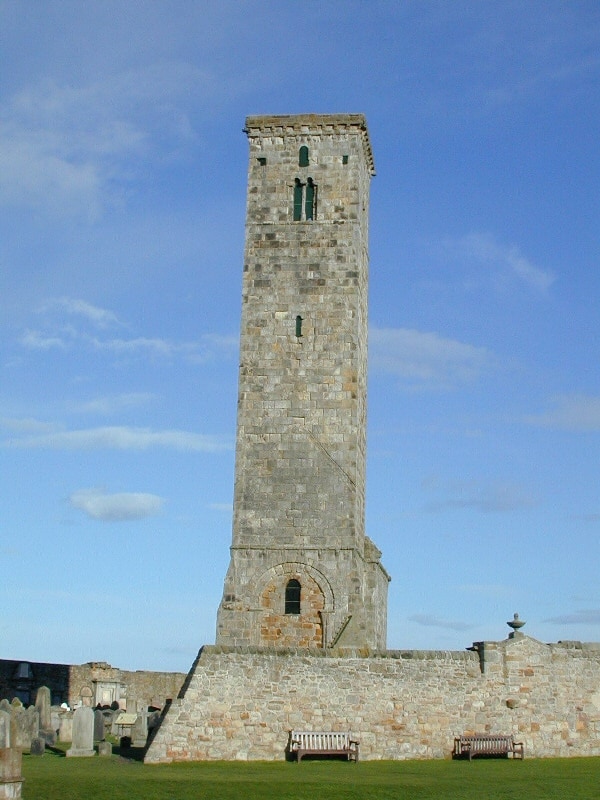
Romanesque, Early Scottish
St Rule's Tower, the Pends, Ruins of the Nave and Gables
St Andrews Cathedral
Saint Rule, John Knox, King Robert the Bruce
Scottish Reformation, Consecration In 1318, Fire In 1378, Ransacking By Protestant Mob
About St Rule's Priory
St Andrews Cathedral
The Cathedral of St Andrew, situated in St Andrews, Fife, Scotland, stands as a significant ruined monument to Scotland's medieval religious past. Its construction commenced in 1158, intended to surpass the accommodations offered by the older Church of St. Regulus (St. Rule) and to serve as the primary seat of the Archdiocese of St Andrews. Upon its completion in 1318, it was the largest church ever built in Scotland and became the spiritual heart of the Medieval Catholic Church in the country.
History and Decline
The cathedral's development spanned over a century, with major rebuilding of its west end occurring between 1272 and 1279. It featured a central tower and six turrets, remnants of which are still visible today. A fire in 1378 necessitated restoration and embellishment, completed by 1440. The cathedral was served by a community of Augustinian Canons, known as the St Andrews Cathedral Priory, who succeeded the earlier Culdees. This era of prominence was dramatically cut short in June 1559 when, during the Scottish Reformation, a mob incited by John Knox ransacked the cathedral, destroying its interior. The building subsequently fell into disuse, was abandoned by 1559, and became a source of building materials, leaving it in ruin.
Surviving Structures and Preservation
Despite the extensive damage, notable remnants of the cathedral complex endure. The most prominent is St Rule's Tower, an older structure from the 11th century in the Romanesque style, which originally housed relics of St Andrew. The tower, standing 33 meters tall, provided a crucial landmark for pilgrims and still offers expansive views. Other surviving elements include parts of the east and west gables, sections of the nave's south wall, and portions of the priory wall and archways known as The Pends. Since 1826, the ruins have been carefully tended and are maintained by Historic Environment Scotland as a monument, preserving the site for historical and educational purposes.
Source: Wikipedia ↗
Frequently Asked Questions
When was the Cathedral of St Andrew built?
Construction on the Cathedral of St Andrew began in 1158. It was completed and consecrated in 1318, though work continued for over a century, with the west end rebuilt between 1272 and 1279.
What is the significance of St Rule's Tower?
St Rule's Tower is an older church on the cathedral grounds that predates the main cathedral. It was built in the 11th century to house relics of St Andrew and served as the priory church until the early 12th century. The tower, standing at 33 meters high, remains a notable landmark.
Why is the cathedral in ruins?
The cathedral fell into ruin after being ransacked by a Protestant mob in 1559 during the Scottish Reformation. The interior was destroyed, and the building was subsequently abandoned and used as a source of building materials.
Who was buried at the Cathedral of St Andrew?
Numerous notable figures were buried within the cathedral and its grounds, including bishops such as Roger de Beaumont, William Wishart, and William de Lamberton, as well as historical figures like Young Tom Morris and Old Tom Morris.
What remains of the original cathedral?
The principal portions of the ruins that still exist include the east and west gables, a significant portion of the south wall of the nave, and the west wall of the south transept. St Rule's Tower and its adjoining chamber are also prominent remains.
Related Monasteries
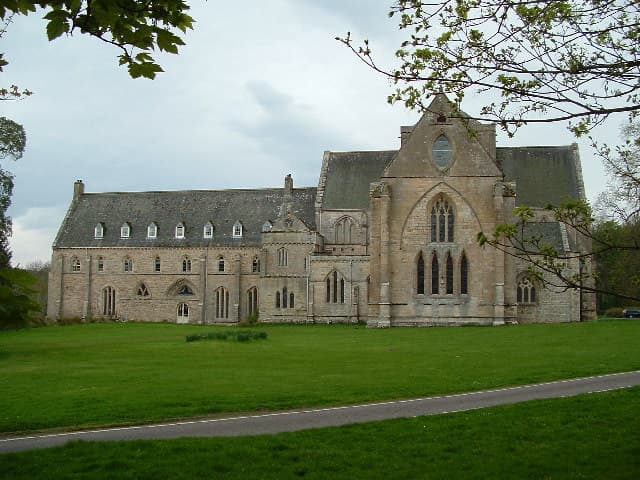
Pluscarden Abbey
Pluscarden Abbey is a Catholic Benedictine monastery located in Moray, Scotland, originally founded in 1230 for the Valliscaulian Order by Alexander II. It transitioned to Benedictine rule in 1454 and experienced decline during the Scottish Reformation, falling into ruin. Restoration efforts began in the late 19th century, with significant work undertaken from 1948 onwards by monks from Prinknash Abbey, leading to its re-establishment as an independent Benedictine house and later an abbey.
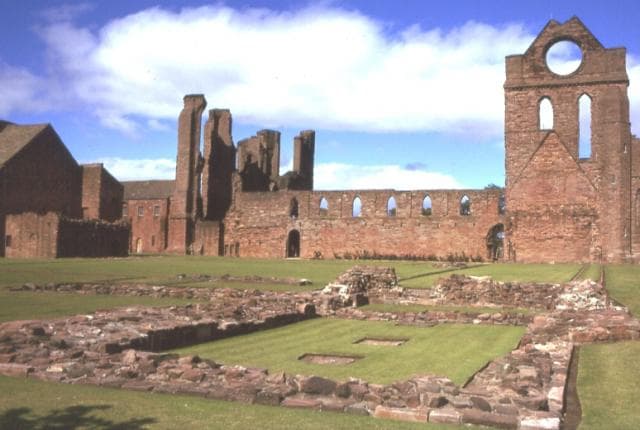
Arbroath Abbey
Arbroath Abbey, a ruined Cistercian monastery located in Arbroath, Scotland, was founded in 1178 by King William the Lion. It is renowned as the site where the Declaration of Scottish Independence was likely drafted in 1320. The Abbey, once the wealthiest in Scotland, is now managed by Historic Environment Scotland and is a popular tourist attraction, notable for its distinctive red sandstone ruins.
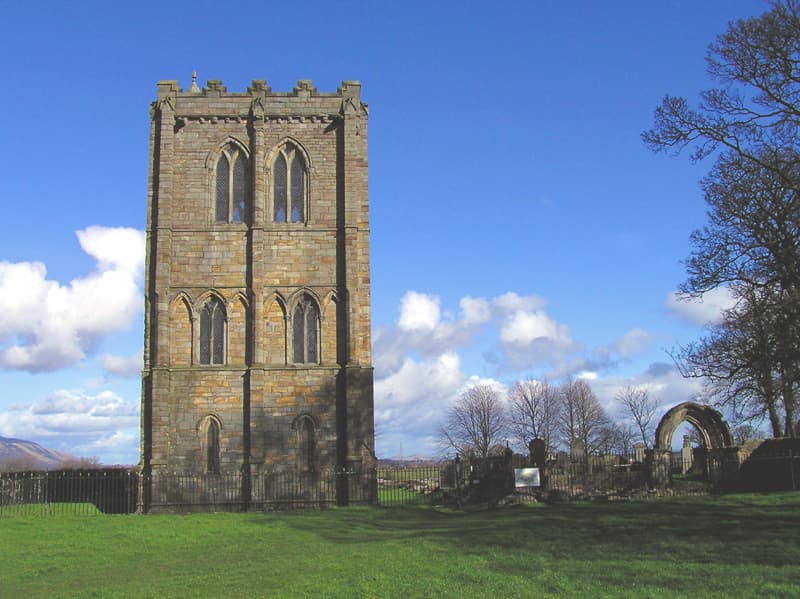
Cambuskenneth Abbey
Cambuskenneth Abbey, established around 1140 by King David I of Scotland, was a significant provostry of Canons Regular and the only Scottish house of the French Arrouaise Order. Situated by a meander of the River Forth near Stirling, it played a crucial role in Scottish public life, hosting parliaments and royal events, and was the burial site for King James III and Queen Margaret of Denmark. Although largely reduced to its foundations today, its 13th-century bell tower remains intact, and the site is managed by Historic Scotland and open to visitors.