
Cambuskenneth Abbey
Cambuskenneth Abbey, established around 1140 by King David I of Scotland, was a significant provostry of Canons Regular and the only Scottish house of the French Arrouaise Order. Situated by a meander of the River Forth near Stirling, it played a crucial role in Scottish public life, hosting parliaments and royal events, and was the burial site for King James III and Queen Margaret of Denmark. Although largely reduced to its foundations today, its 13th-century bell tower remains intact, and the site is managed by Historic Scotland and open to visitors.
Key Facts
- ›Founded by King David I of Scotland around 1140.
- ›Was the only Scottish house of the French Arrouaise Order.
- ›Hosted several important Scottish parliaments in the 14th century.
- ›Burial site for King James III of Scotland and Queen Margaret of Denmark.
- ›The 13th-century bell tower is the only intact structure, with foundations of other buildings visible.
- ›Managed by Historic Scotland and open to visitors.
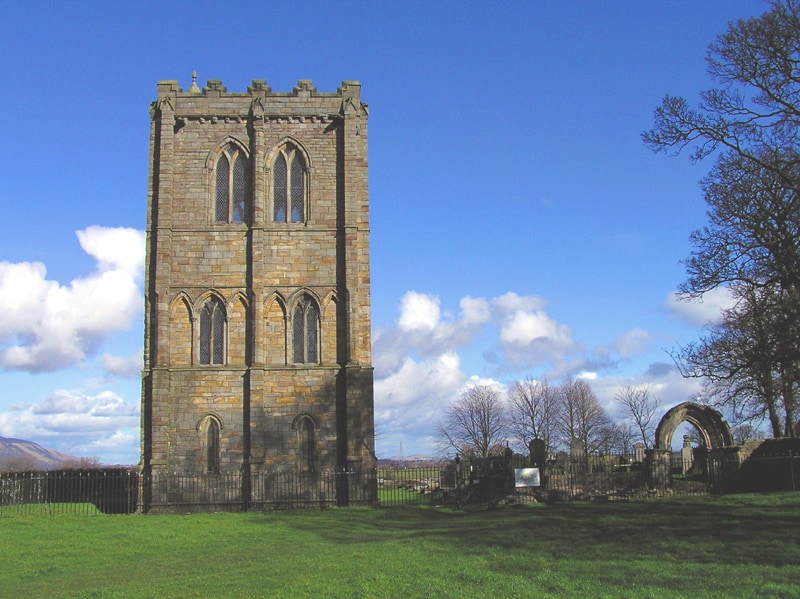
13th-Century
- Bell Tower
- Foundations of Abbey Church and Ancillary Buildings
- Historic Graveyard
- Tomb of James Iii of Scotland and Margaret of Denmark
Abbey of St Mary of Cambuskenneth, Abbey of St Mary of Stirling, Stirling Abbey
King David I of Scotland, Pope Eugene Iii, Pope Alexander Iii, Pope Celestine Iii, Edward I of England, Robert Wishart, Bishop of Glasgow, Niall Mac Cailein, Gilbert Ii De La Hay, Robert the Bruce, David Ii of Scotland, Robert Ii of Scotland, Robert Iii of Scotland, Margaret of Denmark, James Iii of Scotland, Patrick Paniter, James V of Scotland, Alexander Myln, John Erskine, Adam Erskine, Queen Victoria
- Founded By King David I of Scotland
- Received Papal Protection From Pope Eugene Iii , Confirmed By Pope Alexander Iii and Pope Celestine Iii
- Edward I of England Prayed and Received An Oath of Loyalty From Robert Wishart, Bishop of Glasgow
- Niall Mac Cailein, Gilbert Ii De La Hay, and Other Nobles Swore Allegiance To Robert the Bruce
- Parliament Held At the Abbey
- Spoils of the Battle of Bannockburn Shared On the Abbey Grounds
- Robert Ii Granted Charters and Stayed At the Abbey
- Robert Iii Conducted Royal Business At the Abbey
- Margaret of Denmark Died and Was Buried At the Abbey
- James Iii Was Buried At the Abbey
- Abbey Fell Into Disuse During the Scottish Reformation
- Stonework Removed For Construction Projects At Stirling Castle
- Acquired By the Crown
About Cambuskenneth Abbey
The Abbey of St Mary of Cambuskenneth, commonly known as Cambuskenneth Abbey, was a significant provostry of Canons Regular situated on land enclosed by a meander of the River Forth near Stirling in Scotland. Founded around 1140 by King David I, it was the sole Scottish establishment of the French Arrouaise Order, a congregation notable for its early Cistercian-inspired austere lifestyle.
History and Significance
Initially named the Abbey of St Mary of Stirling, it gained papal protection in the mid-12th century and became known as Cambuskenneth from around 1207. Its proximity to the Royal Burgh of Stirling, a major urban center and former capital, contributed to its importance. The establishment of such abbeys under David I introduced literate individuals to the royal court and administrative duties, influencing Scottish public life. The abbey's status as a royal abbey near a major stronghold led to it being a site of historical events, including King Edward I receiving oaths of loyalty in 1303 and nobles swearing allegiance to Robert the Bruce in 1308. It frequently hosted parliaments during the 14th century, with one building on the site becoming known as "Parliament Hall." The abbey also served as the burial place for Queen Margaret of Denmark in 1486 and King James III in 1488.
Later History and Present Day
The abbey began to fall into disuse during the Scottish Reformation in the 16th century, and much of its stonework was later removed for use in constructing Stirling Castle. Today, Cambuskenneth Abbey is largely reduced to its foundations, with the 13th-century bell tower being the only intact structure following extensive renovation. The site, managed by Historic Scotland, is open to visitors during the summer months and features the visible foundations of the abbey church and other buildings, as well as an historic graveyard containing the tomb of James III and Margaret of Denmark.
Source: Wikipedia ↗
Frequently Asked Questions
When was Cambuskenneth Abbey founded?
Cambuskenneth Abbey was founded by order of King David I of Scotland around the year 1140. Its establishment marked the arrival of the Arrouaise Order, a distinctive congregation among canons regular at the time.
What religious order was Cambuskenneth Abbey part of?
The abbey was a provostry of Canons Regular and a daughter house of the French Arrouaise Order. This order was known for its Cistercian-inspired severe way of life, though they gradually relaxed their practices over time.
What is the historical significance of Cambuskenneth Abbey?
Cambuskenneth Abbey was one of the more important abbeys in Scotland due to its proximity to Stirling, a major urban center and sometime capital. It served as a venue for royal events and parliaments, contributing literate individuals to the royal court and administrative duties.
What notable figures are associated with Cambuskenneth Abbey?
The abbey is linked to the Bruce kings, with parliaments held there and nobles swearing allegiance to Robert the Bruce on its grounds. King James III and his wife Margaret of Denmark were buried at the abbey, and their tomb remains a notable feature.
What remains of Cambuskenneth Abbey today?
Today, Cambuskenneth Abbey is largely reduced to its foundations, with the visible remains of the abbey church and other ancillary buildings dating primarily from the 13th century. The 13th-century campanile, or bell tower, is the only intact structure after renovations.
Can visitors visit Cambuskenneth Abbey?
Yes, Cambuskenneth Abbey is managed by Historic Scotland and is open to visitors during the summer months. The site includes the visible foundations of the abbey and its graveyard, which contains the tomb of King James III and Queen Margaret of Denmark.
Related Monasteries
Wigmore Priory
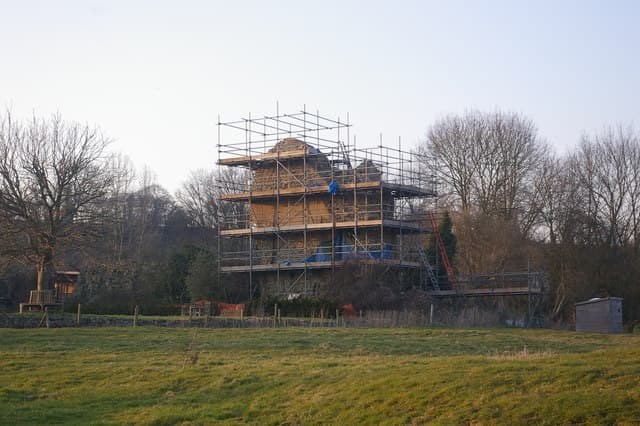
Wigmore Abbey was a prominent monastery of Canons Regular in Herefordshire, England, founded in 1179 and active until its dissolution in 1530. It was a significant religious and burial site for the powerful Mortimer family, and its history is documented in a surviving manuscript. Today, only ruins remain, noted for their 'very bad' condition on Historic England's Heritage at Risk Register.

Vorau Priory
Vorau Abbey, founded in 1163 by Margrave Ottokar III of Styria, is a significant Augustinian monastery in Vorau, Styria, Austria. It is renowned for its 18th-century Viennese High Baroque collegiate church and library, which houses an extensive collection of books and manuscripts. Despite facing invasions and commandeering by the Nazi government, Vorau Abbey remains an active monastic community and a testament to centuries of religious and architectural history.
Arbroath Abbey
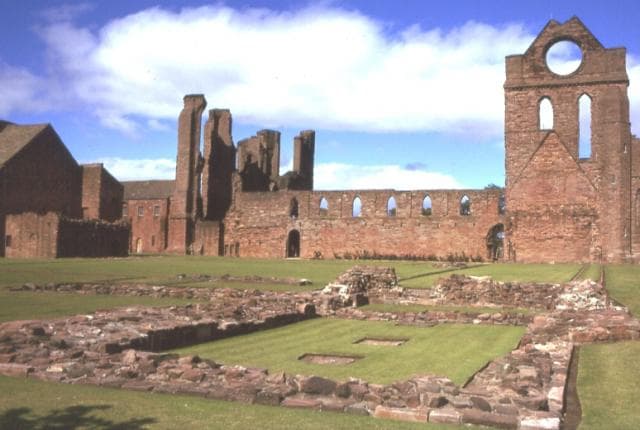
Arbroath Abbey, a ruined Cistercian monastery located in Arbroath, Scotland, was founded in 1178 by King William the Lion. It is renowned as the site where the Declaration of Scottish Independence was likely drafted in 1320. The Abbey, once the wealthiest in Scotland, is now managed by Historic Environment Scotland and is a popular tourist attraction, notable for its distinctive red sandstone ruins.