
Vorau Priory
Vorau Abbey, founded in 1163 by Margrave Ottokar III of Styria, is a significant Augustinian monastery in Vorau, Styria, Austria. It is renowned for its 18th-century Viennese High Baroque collegiate church and library, which houses an extensive collection of books and manuscripts. Despite facing invasions and commandeering by the Nazi government, Vorau Abbey remains an active monastic community and a testament to centuries of religious and architectural history.
Key Facts
- ›Founded in 1163 by Margrave Ottokar III of Styria.
- ›Features an ornate 18th-century Viennese High Baroque collegiate church.
- ›Houses a library with 40,000 books, 206 incunabula, and 416 manuscripts.
- ›Was walled in 1458 with 15 towers, more than any other monastery in Austria.
- ›The Nazi government commandeered the abbey in 1940, expelling its canons.
- ›Remains an active abbey, with parts used as a school, tavern, and private residences.

Romanesque, Gothic, Viennese High Baroque
- Viennese High Baroque Collegiate Church
- Library With 40,000 Books, 206 Incunabula, and 416 Manuscripts
- Oldest Collection of Middle High German Poems
- 15 Defensive Towers
Stift Vorau
Ottokar Iii of Styria, Ottokar Iv, Eberhard I, Domenico Sciassia, Matthias Steinl, Johann Cyriak Hackhofer, Pius Fank
- Founded In 1163.
- Walled In 1458.
- Fire In 1237 Led To Rebuilding.
- Rebuilt From 1660 To 1662.
- Redesigned In Viennese High Baroque Style From 1700.
- Commandeer By Nazi Government In April 1940.
- Subject To Bombardment During World War Ii.
- Canons Returned After the End of the War In 1945.
About Vorau Priory
Vorau Abbey
Vorau Abbey, known in German as Stift Vorau, is a significant Augustinian monastery situated in Vorau, Styria, Austria. Its origins trace back to 1163 when Margrave Ottokar III of Styria founded it as a gesture of gratitude for the birth of his son, Ottokar IV. The Archbishop of Salzburg oversaw its initial construction, and the Austrian Congregation of Canons Regular took up residence upon its completion.
History and Architecture
The abbey's location was historically subject to frequent territorial disputes, prompting its fortification in 1458 with defensive features including 15 towers, more than any other monastery in Austria. This provided refuge for residents during times of invasion. The abbey church has undergone several architectural transformations; initially Romanesque, it was later redesigned in Gothic style. Significant rebuilding occurred between 1660 and 1662 under architect Domenico Sciassia, and in 1700, Matthias Steinl redesigned it in the opulent Viennese High Baroque style. The high altar dates to the early 18th century, and the sacristy features frescoes by the resident painter Johann Cyriak Hackhofer from 1715-1716. The collegiate church is regarded as one of Styria's most splendid Baroque churches.
Library and Modern Era
In 1731, the abbey's library was constructed, now housing an impressive collection of 40,000 books, 206 incunabula, and 416 manuscripts. Notably, it preserves the oldest known collection of Middle High German poems. During World War II, the Nazi government commandeered the abbey in April 1940, expelling its canons and causing damage through bombardment. Although half of the abbey was destroyed in 1945, the main structures, including the church, were largely spared, though the library suffered damage and book theft. The canons returned to the monastery in 1945, and Vorau Abbey continues to operate as an active monastic community. Parts of the complex are also utilized as a school, a tavern, and private residences.
Source: Wikipedia ↗
Frequently Asked Questions
When was Vorau Abbey founded and by whom?
Vorau Abbey was founded in 1163 by Margrave Ottokar III of Styria. It was established as an act of gratitude for the birth of his son, Ottokar IV.
What is the architectural style of Vorau Abbey's church?
The abbey's collegiate church underwent several transformations, with its current structure redesigned in the Viennese High Baroque style starting in 1700 by Matthias Steinl. Earlier versions were built in Romanesque and Gothic styles.
What notable collections are housed in Vorau Abbey's library?
The library, built in 1731, contains 40,000 books, 206 incunabula, and 416 manuscripts. It also holds the oldest collection of Middle High German poems.
What historical challenges has Vorau Abbey faced?
The abbey's history includes frequent invasions, leading to its fortification in 1458. In 1940, the Nazi government commandeered the abbey and expelled its canons, and it suffered bombardment during World War II.
Is Vorau Abbey still an active monastery?
Yes, Vorau Abbey remains an active abbey today. Its complex also serves multiple functions, including housing a school, a tavern, and private residences.
Related Monasteries
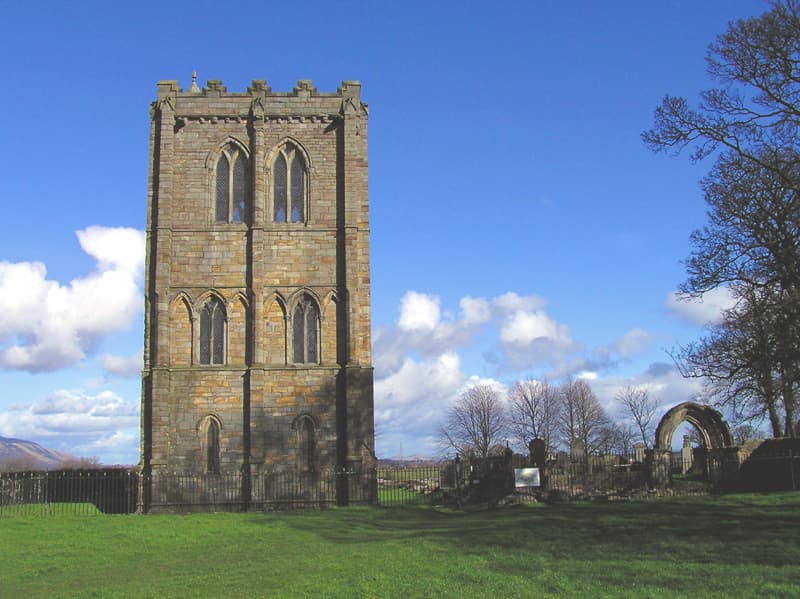
Cambuskenneth Abbey
Cambuskenneth Abbey, established around 1140 by King David I of Scotland, was a significant provostry of Canons Regular and the only Scottish house of the French Arrouaise Order. Situated by a meander of the River Forth near Stirling, it played a crucial role in Scottish public life, hosting parliaments and royal events, and was the burial site for King James III and Queen Margaret of Denmark. Although largely reduced to its foundations today, its 13th-century bell tower remains intact, and the site is managed by Historic Scotland and open to visitors.
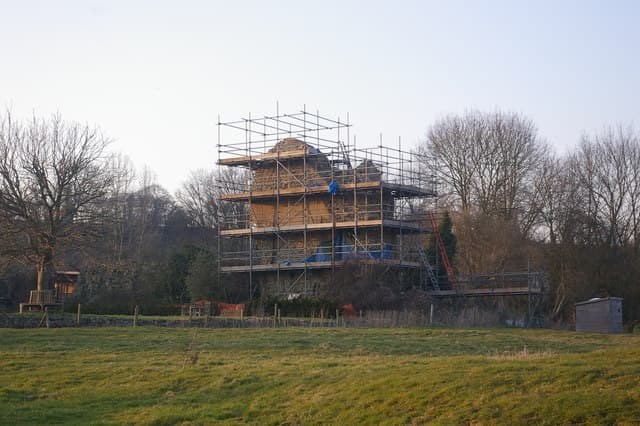
Wigmore Priory
Wigmore Abbey was a prominent monastery of Canons Regular in Herefordshire, England, founded in 1179 and active until its dissolution in 1530. It was a significant religious and burial site for the powerful Mortimer family, and its history is documented in a surviving manuscript. Today, only ruins remain, noted for their 'very bad' condition on Historic England's Heritage at Risk Register.

Altenburg Abbey
Altenburg Abbey is a Benedictine monastery located in Altenburg, Lower Austria, founded in 1144 by Countess Hildeburg of Poigen-Rebgau. Despite enduring numerous invasions and destructions throughout its history, the abbey was rebuilt and attained its current Baroque form in the 18th century under the direction of abbots Maurus Boxler and Placidus Much, with architectural supervision by Josef Munggenast and artistic contributions from prominent Austrian craftsmen. It is known for its impressive Baroque architecture, significant frescoes by Paul Troger, and extensive gardens.