
Pluscarden Abbey
Pluscarden Abbey is a Catholic Benedictine monastery located in Moray, Scotland, originally founded in 1230 for the Valliscaulian Order by Alexander II. It transitioned to Benedictine rule in 1454 and experienced decline during the Scottish Reformation, falling into ruin. Restoration efforts began in the late 19th century, with significant work undertaken from 1948 onwards by monks from Prinknash Abbey, leading to its re-establishment as an independent Benedictine house and later an abbey.
Key Facts
- ›Founded in 1230 by King Alexander II for the Valliscaulian Order.
- ›Became a Benedictine priory in 1454 following a merger with Urquhart Priory.
- ›Suffered significant decline and ruin during the Scottish Reformation.
- ›Restoration began in the MID-20th century by Benedictine monks from Prinknash Abbey.
- ›Elevated to abbatial status in 1974.
- ›Currently houses an active Benedictine monastic community.
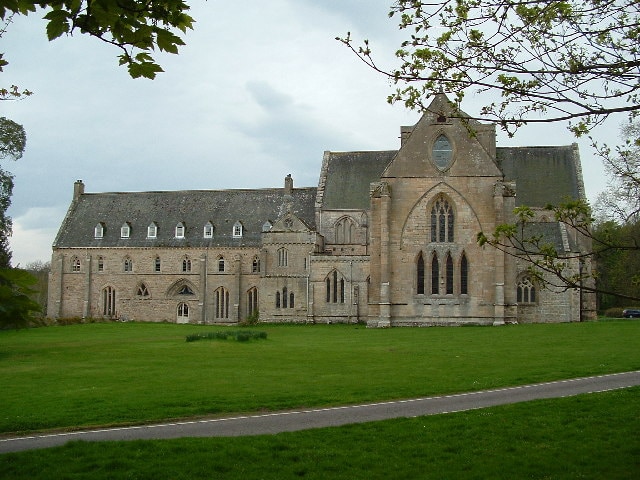
Restored Church, Monastic Gardens, Guest Accommodation
- Alexander Ii
- Viard
- John Bonally
- Maurice Buchanan
- Alexander Stewart, 1st Earl of Buchan
- John Patrick Crichton-Stuart, 3rd Marquess of Bute
- Lord Colum Crichton-Stuart
- Dom Anselm Atkinson
- Founded By King Alexander Ii In 1230.
- Merger With Urquhart Priory and Transition To Benedictine Rule In 1454.
- Decline and Ruin During the Scottish Reformation.
- Restoration Efforts Beginning In the Late 19th Century and Continuing From 1948.
- Became An Independent Priory In 1966.
- Elevated To Abbatial Status In 1974.
About Pluscarden Abbey
Pluscarden Abbey is a significant Catholic Benedictine monastery situated in the picturesque glen of the Black Burn, approximately six miles southwest of Elgin in Moray, Scotland. Its history is marked by periods of flourishing monastic life, decline, and remarkable restoration.
History and Significance
The abbey's origins trace back to 1230 when King Alexander II founded it as a priory for the Valliscaulian Order. This relatively small and austere religious order, which emerged in Europe around the turn of the 13th century, followed rules that bore resemblances to Cistercian and Carthusian practices, notably emphasizing small communities and individual cells. The Valliscaulian foundation at Pluscarden was generously endowed by Alexander II with extensive lands and fishing rights, contributing to its early prosperity.
A pivotal moment in Pluscarden's history occurred in 1454 when, following a merger with the priory of Urquhart, it officially became a Benedictine house. This transition marked a new chapter, though the abbey faced considerable challenges. The Scottish Reformation in the 16th century led to a severe decline in monastic life, and by 1680, Pluscarden Priory lay in ruins, with its stones even being used as a quarry for other buildings.
Despite the devastation, the spirit of Pluscarden endured. Initial efforts to halt the decay were made in the late 19th century. A more comprehensive restoration began in 1948 when monks from Prinknash Abbey in Gloucestershire established a new Benedictine community there. This dedicated work led to the priory regaining its independence from its mother-house in 1966 and achieving abbatial status in 1974. Today, Pluscarden Abbey stands as a vibrant center of Benedictine monastic life, continuing its centuries-old tradition of prayer, work, and hospitality.
Source: Wikipedia ↗
Frequently Asked Questions
When was Pluscarden Abbey founded?
Pluscarden Abbey was founded in 1230 by King Alexander II. It was initially established for the Valliscaulian Order.
What is the religious tradition of Pluscarden Abbey?
Pluscarden Abbey is a Catholic monastery belonging to the Benedictine Order. It originally housed the Valliscaulian Order before transitioning to Benedictine rule.
Has Pluscarden Abbey always been a Benedictine monastery?
No, Pluscarden Abbey was originally founded as a Valliscaulian priory. It became a Benedictine house in 1454.
What happened to Pluscarden Abbey during the Scottish Reformation?
During the Scottish Reformation, the priory experienced a significant decline and fell into ruin. By 1680, it was in a derelict condition.
When did restoration work begin at Pluscarden Abbey?
Some initial work to arrest decay was undertaken in the late 19th century. However, major restoration efforts began in earnest in 1948 with the arrival of Benedictine monks from Prinknash Abbey.
Is Pluscarden Abbey an active monastery?
Yes, Pluscarden Abbey is an active Benedictine monastery that houses a monastic community. Restoration work continues, and it welcomes guests.
Related Monasteries
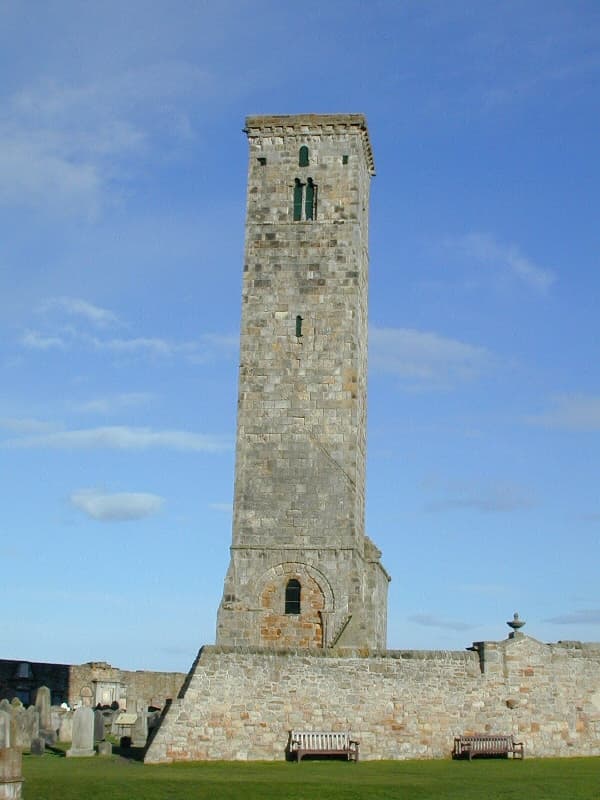
St Rule's Priory
The Cathedral of St Andrew in St Andrews, Fife, Scotland, was a significant center of the Medieval Catholic Church in Scotland, serving as the seat of the Archdiocese of St Andrews. Founded in 1158, it was built to replace the older Church of St. Regulus and became the largest church in Scotland. After being ransacked during the 16th-century Scottish Reformation, it fell into disuse and ruin, though parts of the structure, particularly St Rule's Tower, remain and are maintained as a monument.
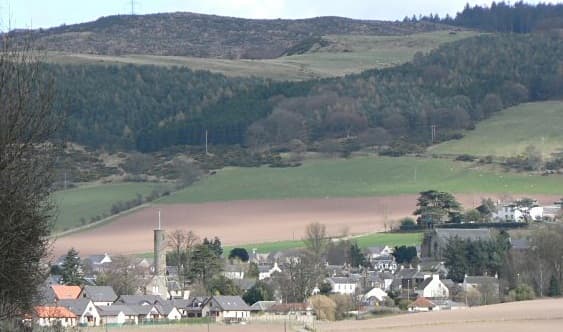
Abernethy Priory
Abernethy Priory was a significant religious and political center in the Pictish era, later becoming the site of an Augustinian priory and then a collegiate church. Its medieval round tower is a prominent landmark, marking the historical importance of the site. The village of Abernethy, where the priory was located, retains evidence of its ancient past, including Roman encampments and early Christian sculptures.
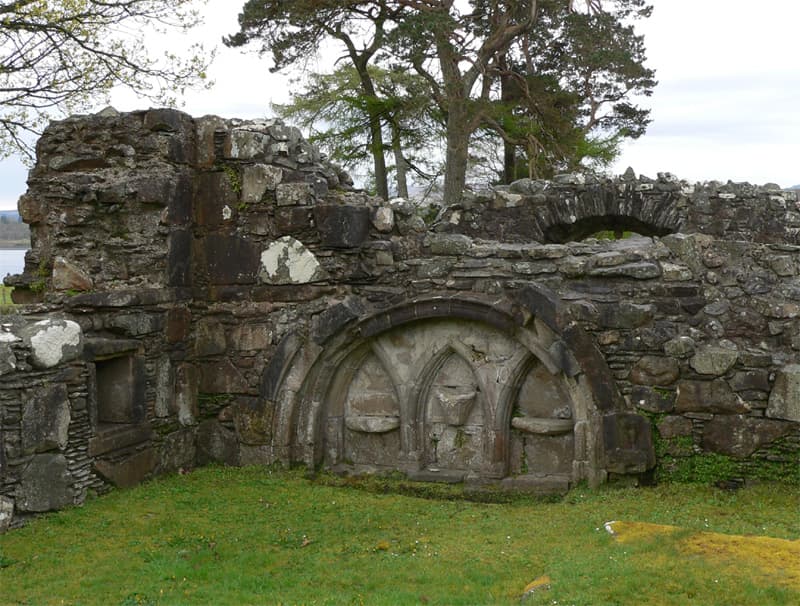
Ardchattan Priory
Ardchattan Priory was a Valliscaulian monastic community established in 1230 by Duncan Macdougall in Ardchattan, Argyll, Scotland. It holds historical significance as the site of a council of local chiefs held by Robert the Bruce in 1308, believed to be the last Gaelic-speaking parliament. Over time, the priory transitioned from its original monastic function, with parts converted into a dwelling and the church eventually falling into disuse and ruin.