
Abernethy Priory
Augustinian (formerly), Church of Scotland (currently)·Scotland·Ruins (priory/collegiate church), Museum, Active Parish Church·13th century
Abernethy Priory was a significant religious and political center in the Pictish era, later becoming the site of an Augustinian priory and then a collegiate church. Its medieval round tower is a prominent landmark, marking the historical importance of the site. The village of Abernethy, where the priory was located, retains evidence of its ancient past, including Roman encampments and early Christian sculptures.
Key Facts
- ›Located in the village of Abernethy, Perth and Kinross, Scotland.
- ›Became an important Pictish religious and political center.
- ›Site of a treaty between William the Conqueror and Malcolm III of Scotland in 1072.
- ›Founded as a small priory of Augustinian canons in 1272.
- ›Suppressed in the 15th century in favor of a collegiate church.
- ›Features a surviving 11th to early 12th-century Irish-style round tower.
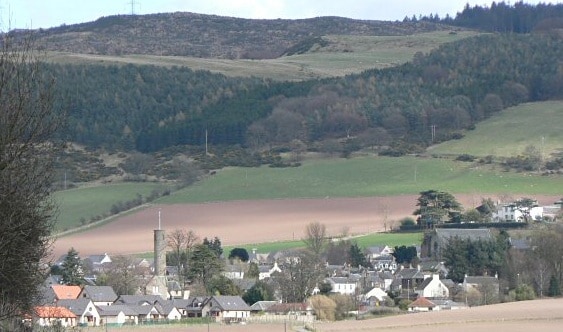
Irish-Style Round Tower
Abernethy Round Tower, Site of the Treaty of Abernethy, Museum of Abernethy, Pictish Symbol Stone Fragments
Aburnethige
Malcolm Canmore, William the Conqueror, Nechtan, Dairlugdach, Douglas Earls of Angus
- Treaty of Abernethy
- Suppression of the Priory and Establishment of A Collegiate Church
About Abernethy Priory
Abernethy Priory, located in the village of Abernethy in Perth and Kinross, Scotland, represents a site of deep historical and religious significance, evolving from a prominent Pictish center to a monastic establishment and later a collegiate church. The village itself was once a "capital" of the Pictish kingdom, serving as a crucial religious and political hub.
Early History and Pictish Significance
The area around Abernethy shows evidence of very early human settlement, including a Bronze Age log boat and Iron Age hillfort remains. During the Pictish era, Abernethy (recorded as Aburnethige in the 10th century) was a vital center. It is believed to have been the seat of an early Pictish bishopric. Several pieces of Pictish sculpture have been discovered here, including fragments associated with the iconic round tower.
Medieval Religious Life
The site of the present-day parish church, dedicated to Saint Brigid of Kildare, is said to have been founded by Dairlugdach, the second abbess of Kildare. In 1072, Abernethy was the location for a significant political event: the Treaty of Abernethy, where Malcolm III of Scotland gave allegiance to William the Conqueror. Later, in 1272, Abernethy became the site of a small priory of Augustinian canons. This monastic presence was altered in the 15th century when the priory was suppressed and replaced by a collegiate church, established under the patronage of the Douglas Earls of Angus.
Architectural Legacy and Modern Status
Abernethy is distinguished by one of Scotland's two surviving Irish-style round towers, which stands 74 feet high and dates from the 11th to early 12th centuries. This tower, now in the care of Historic Environment Scotland, likely marked the location of the former abbey and collegiate church. While the priory and collegiate church structures themselves are largely gone, their historical importance is preserved in the village's heritage. The Museum of Abernethy, which opened in 2000, further highlights the rich history of the site and is open to the public during the summer months. Although the monastic community is no longer active, the village of Abernethy continues to be a focal point for historical and cultural interest, with the round tower serving as a lasting monument to its ecclesiastical past.
Source: Wikipedia ↗
Frequently Asked Questions
What is the historical significance of Abernethy?
Abernethy was a major religious and political center for the Picts. It was also the location of the Treaty of Abernethy in 1072, where Malcolm Canmore pledged allegiance to William the Conqueror.
When was Abernethy Priory founded?
Abernethy was the site of a small priory of Augustinian canons, which was founded in 1272.
What happened to the priory after the Middle Ages?
In the 15th century, the priory was suppressed and replaced by a collegiate church, which was under the patronage of the Douglas Earls of Angus.
What notable ancient structures are found in Abernethy?
Abernethy is home to one of Scotland's two surviving Irish-style round towers, dating from the 11th to early 12th centuries. This tower marks the site of the former abbey and collegiate church.
What religious traditions have been associated with Abernethy?
Historically, Abernethy was an important center for the Picts and later housed an Augustinian priory. The current parish church is part of the Church of Scotland, and the area also has a history with the Scottish Episcopal Church.
Related Monasteries
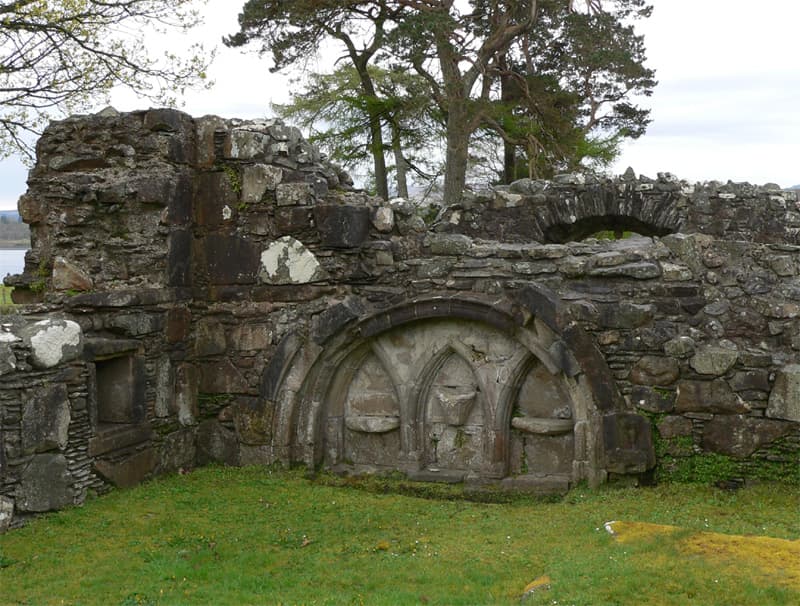
Ardchattan Priory
Ardchattan Priory was a Valliscaulian monastic community established in 1230 by Duncan Macdougall in Ardchattan, Argyll, Scotland. It holds historical significance as the site of a council of local chiefs held by Robert the Bruce in 1308, believed to be the last Gaelic-speaking parliament. Over time, the priory transitioned from its original monastic function, with parts converted into a dwelling and the church eventually falling into disuse and ruin.
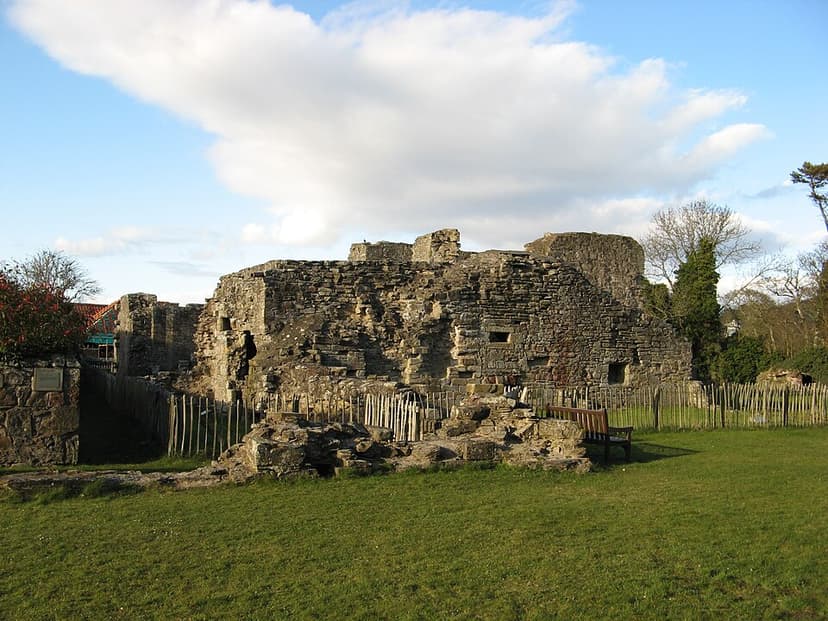
Balmerino Abbey
Balmerino Abbey, also known as St Edward's Abbey, was a Cistercian monastery located in Balmerino, Fife, Scotland. Founded between 1227 and 1229, it was patronized by Ermengarde de Beaumont and King Alexander II. The abbey suffered destruction during the War of the Rough Wooing and later during the Scottish Reformation, leading to its decline and eventual ruin by the 16th century. Today, the ruins are managed by the National Trust for Scotland.
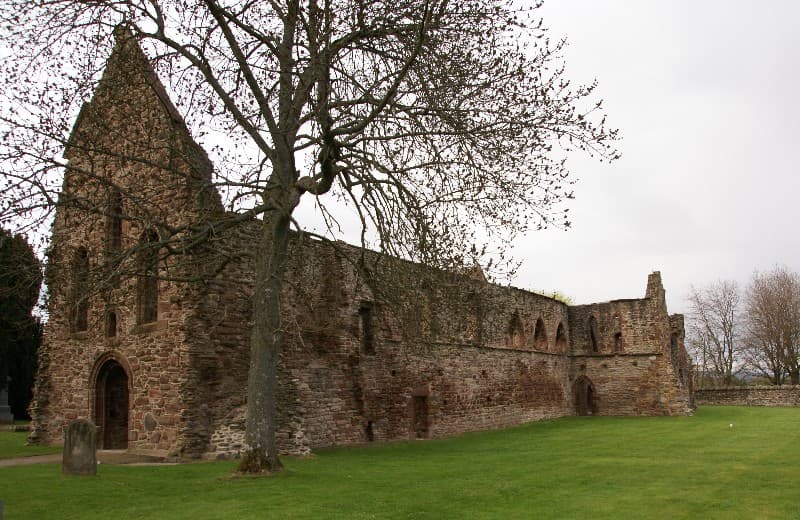
Beauly Priory
Beauly Priory was a monastic community established likely in 1230 in what is now Beauly, Inverness-shire. Originally founded by the Valliscaulian Order, it later became Cistercian in 1510 following the suppression of its original order. Today, the priory's extensive ruins are a significant visitor attraction, protected as a scheduled monument.